

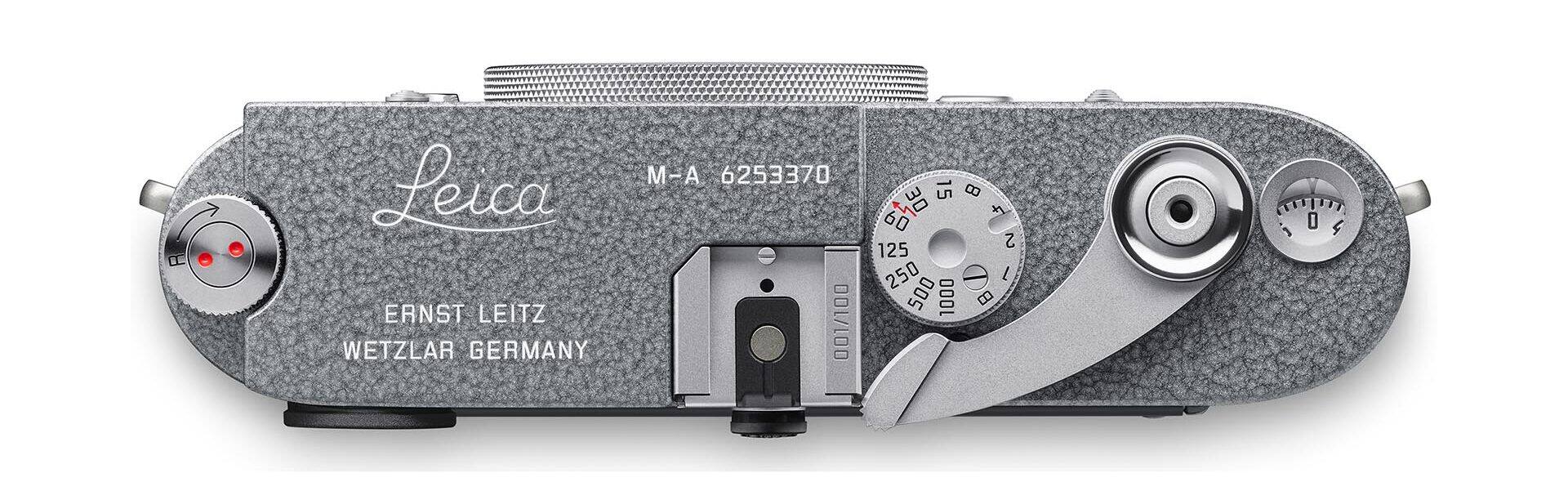
Leica has turned its fully mechanical M-A rangefinder into a collector’s trophy, launching the Leica M-A Hammertone Limited Edition in a run of just 100 units for Japan. The camera marks the 20th anniversary of the Leica Store in Ginza and swaps pure understatement for a textured gray finish that looks like it was hammered out of a workshop anvil, which is exactly the kind of expensive restraint Leica buyers seem to enjoy.
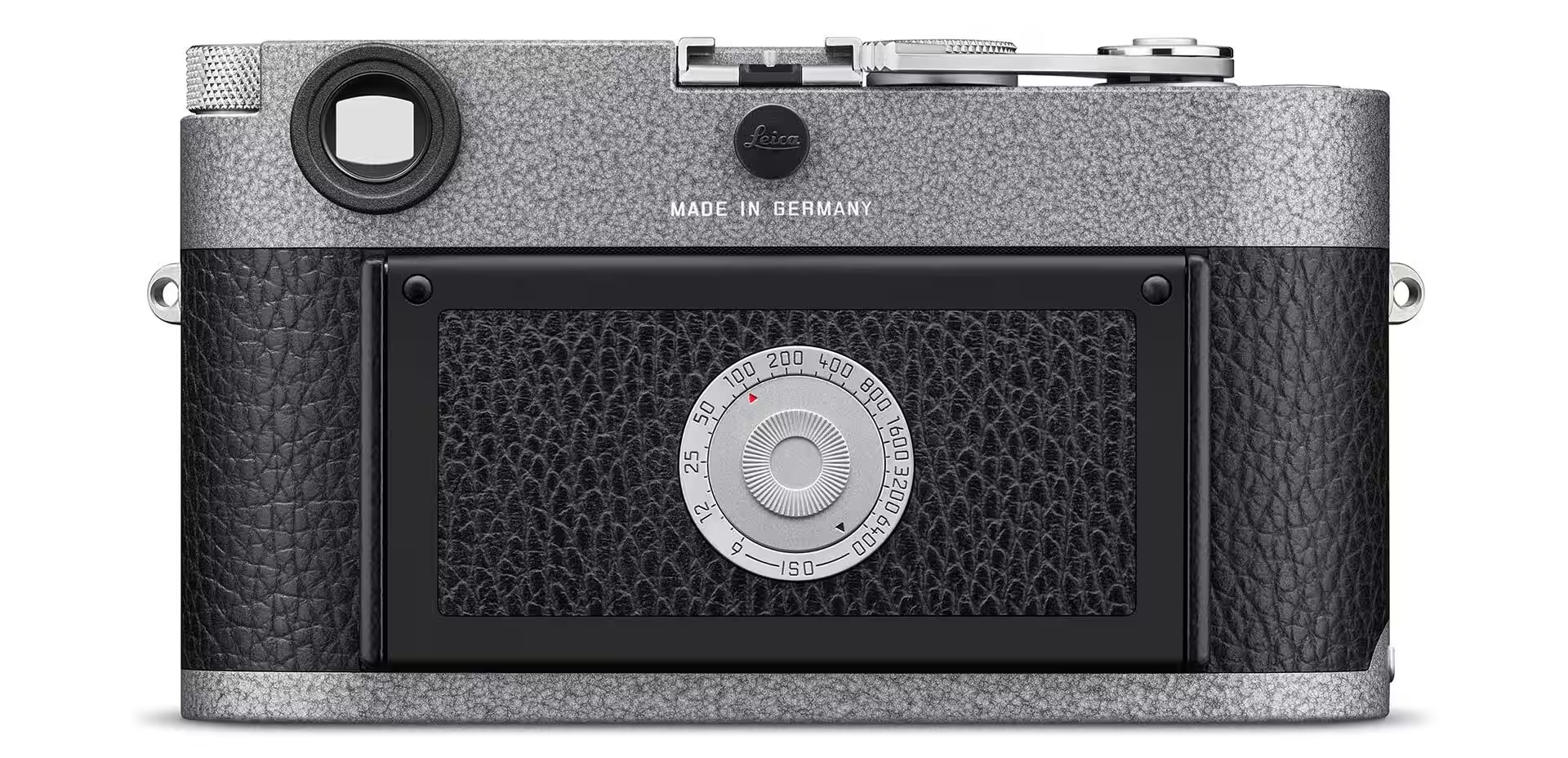
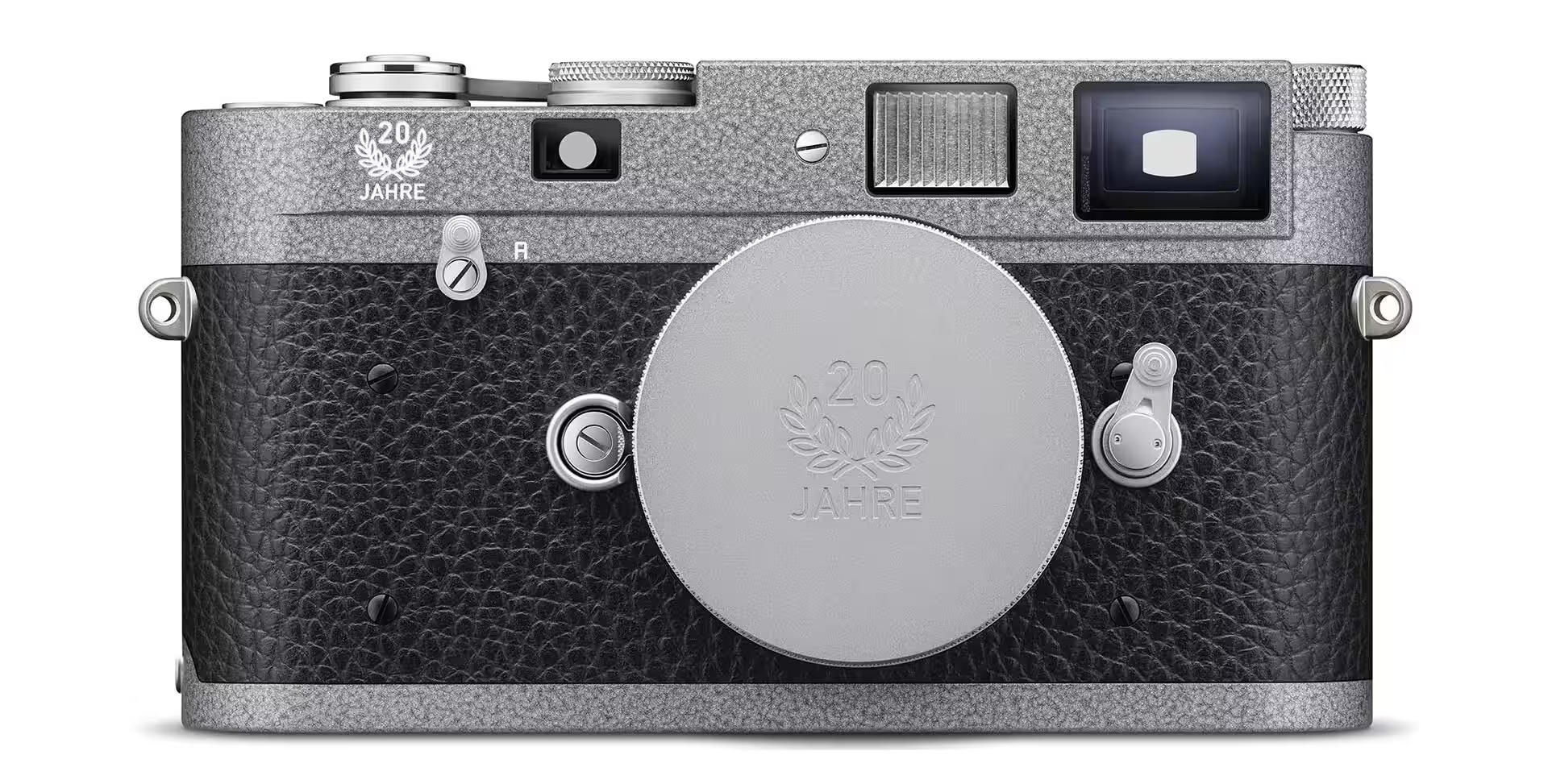
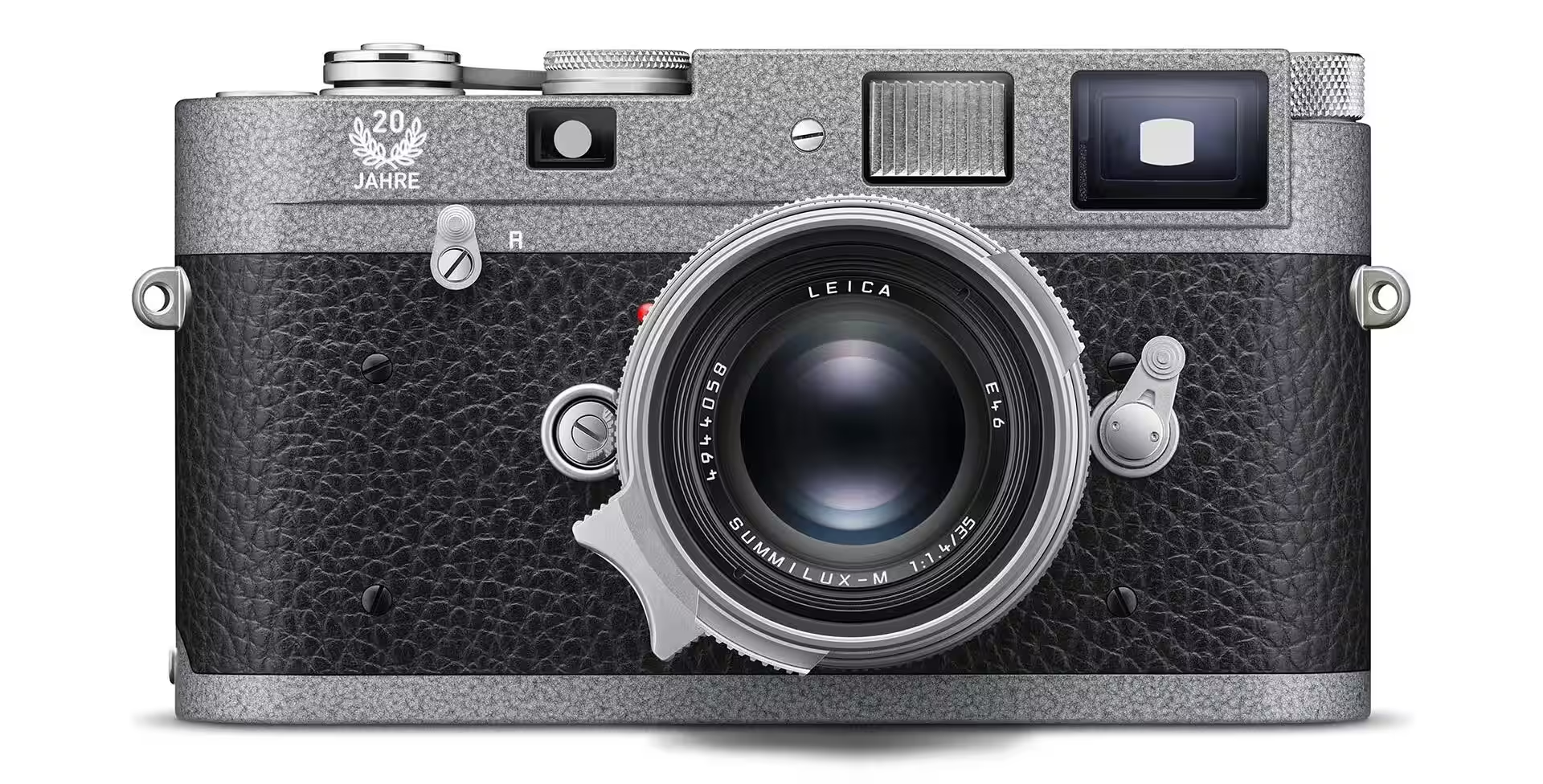
Leica M-A Hammertone Limited Edition design
The visual changes are the whole point here. Leica says the body wears a high-resistance gray ”hammer” lacquer and is wrapped in black synthetic leather, while ”20 Jahre” engraving ties the edition back to the Ginza flagship. Strip away the commemorative treatment, and this is still the same M-A underneath: no battery, no autofocus, no auto-exposure, and no internal light meter.
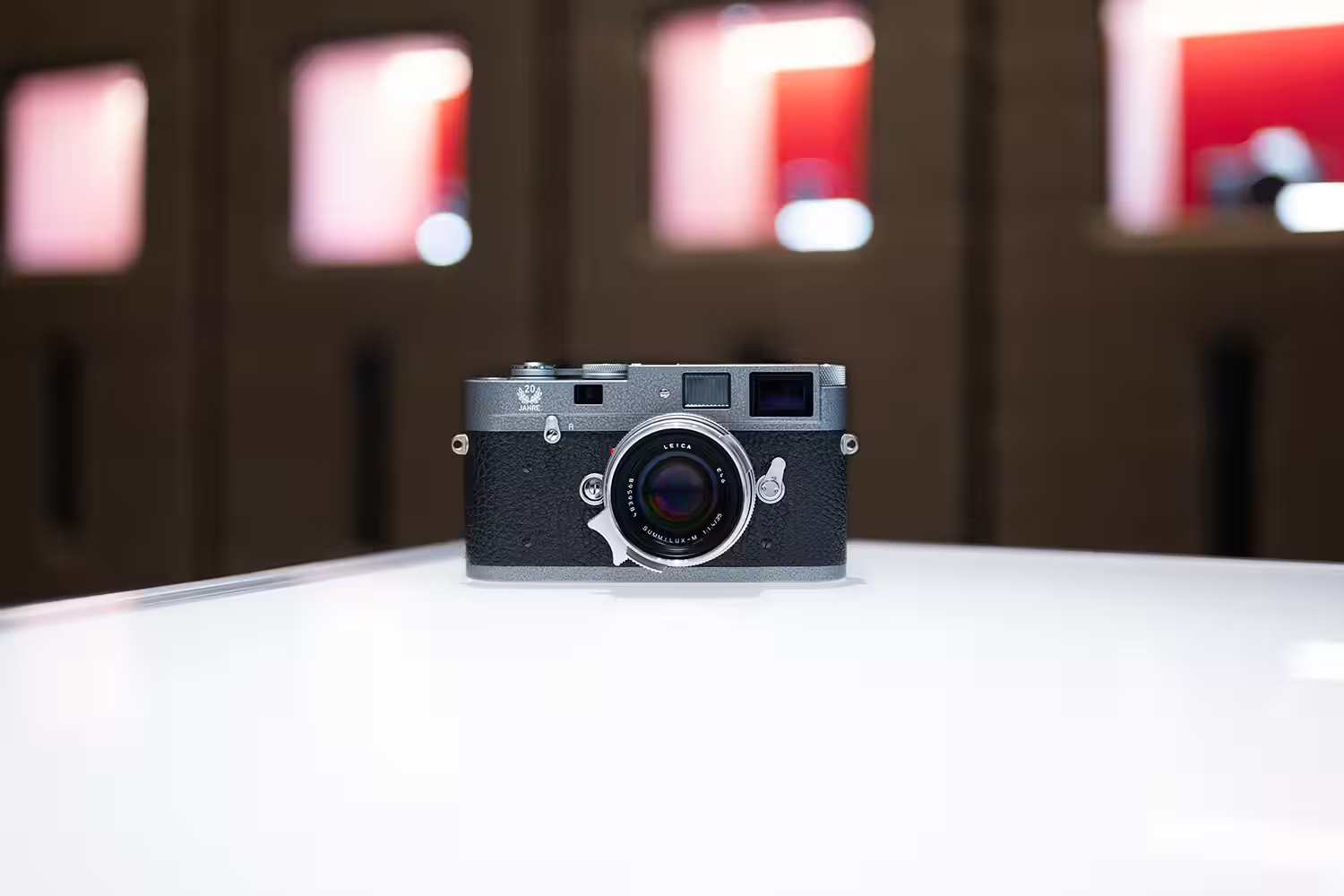
What the Leica M-A still does the old way
For anyone counting features rather than finish, the spec sheet stays gloriously stubborn. The camera keeps its mechanical rangefinder operation, shutter speeds up to 1/1,000s, flash sync up to 1/50s, and a traditional analog rangefinder viewfinder. That’s Leica’s long-running pitch in one body: fewer conveniences, more ritual, and a price tag that tends to rise as the inconvenience does.
- Mechanical rangefinder body
- Shutter speeds up to 1/1,000s
- Flash sync up to 1/50s
- No autofocus, auto-exposure, or internal light meter
Japan-only sales and collector pricing
Leica is keeping the Hammertone edition exclusive to Japan, with sales limited to Leica retail locations in the country. The company has not published a price, but the standard M-A starts at $7,000 USD, so this one is almost certainly aimed at buyers who treat camera bodies the way others treat limited watches. That’s not a side market anymore; it is the market for products like this.
The timing also fits Leica’s broader playbook: special editions, regional exclusives, and a steady stream of prestige signals that keep the brand firmly in the luxury lane while its partnership with Xiaomi continues on the mobile side. The more Leica leans into scarcity, the easier it becomes to sell the idea that a camera can be both a tool and a display piece. The only real question is how quickly all 100 units disappear.