

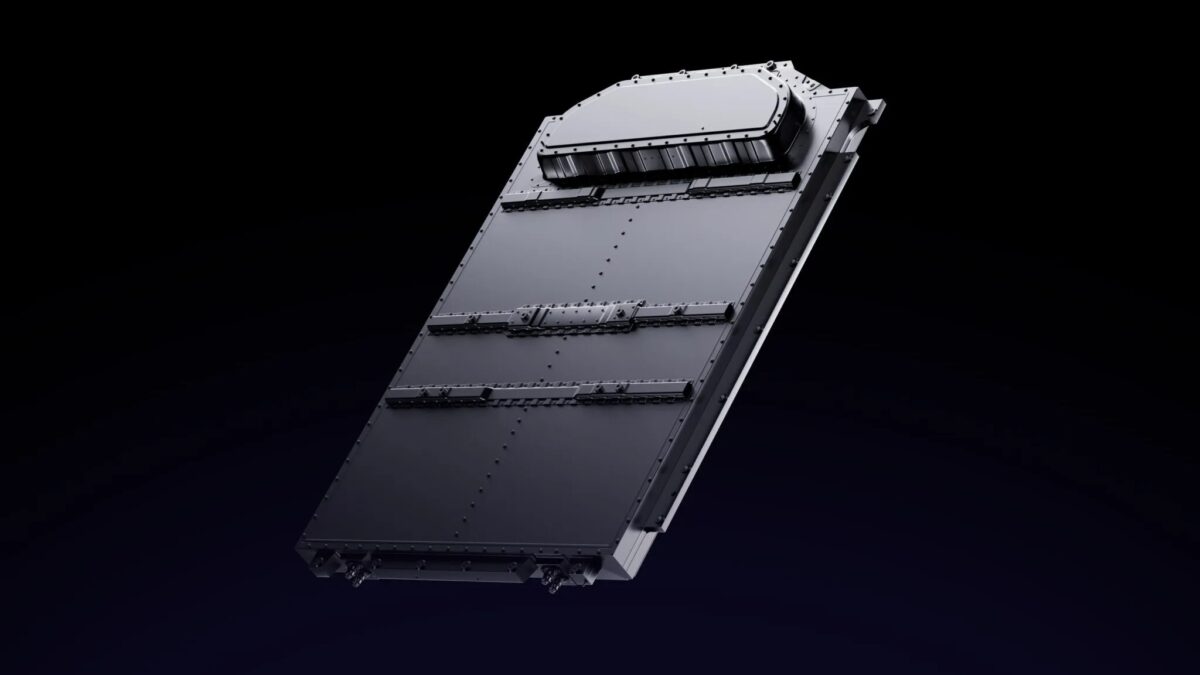
CATL has taken another swing at the EV adoption problem, and this one is hard to ignore: its Shenxing 3 battery is claimed to reach 98% charge in 6.5 minutes. That is quicker than competing solutions that need about 9 minutes, and Bernstein analysts say the tech nearly closes the gap with internal combustion cars. In other words, the old ”just plug it in” excuse is getting thinner by the month.
The headline number is only part of the story. Shenxing 3 is a 10C battery, which means 10% to 80% charge in 3 minutes 44 seconds, and CATL says it still charges from 20% to 98% in about 9 minutes at -30°C. That last detail matters more than the marketing gloss: fast charging is nice, but fast charging in real cold weather is what turns a demo into a usable product.
Shenxing 3 charging speed and cold-weather performance
Ultra-fast charging used to be the kind of spec sheet brag that evaporated once you left the lab. CATL is trying to make it boring, which is exactly what the EV market needs. The company also says the battery keeps more than 90% of its capacity after 1,000 cycles, suggesting this is not a one-season miracle pack built to impress a trade-show audience and then quietly disappear.
- 98% charge in 6.5 minutes
- 10% to 80% in 3 minutes 44 seconds
- 20% to 98% in about 9 minutes at -30°C
- More than 90% capacity retained after 1,000 cycles
Qilin 3 range and the race for longer range
CATL is pairing Shenxing 3 with Qilin 3 batteries, which the company says can deliver up to 1,000 km of range at around 625 kg. A Qilin Condensed version is aimed at up to 1,500 km in a sedan or more than 1,000 km in an SUV. Those numbers are doing two jobs at once: they improve efficiency, and they weaken the argument that EVs need constant charging stops to be practical.
That longer-range push also puts pressure on rivals. Automakers and battery suppliers have spent years fighting over whether buyers want faster charging or bigger range; CATL’s answer is basically ”yes”. The real competition now is not only Tesla or BYD, but any platform that still treats charging delays as a tolerable inconvenience.
When these CATL batteries will reach production cars
CATL says Shenxing 3 and Qilin 3 are meant for mass-produced vehicles, with the first models arriving within a year. It also plans mass production of sodium-ion batteries at the end of 2026, adding another line to its technology portfolio just as the battery race shifts from lab claims to industrial scale. The next question is less about whether the chemistry works and more about how quickly carmakers can package it into vehicles people can actually buy.