

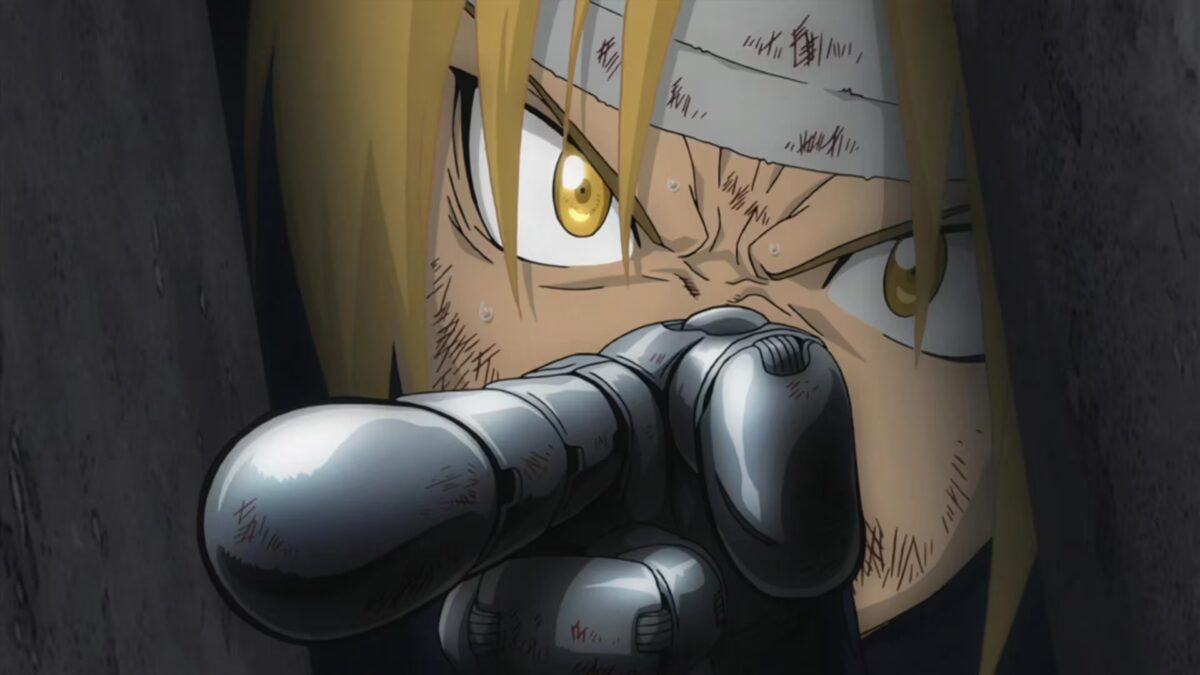
The debate over the ”greatest anime ever” often recycles the same names, but Fullmetal Alchemist remains a stubbornly persuasive contender. Unlike many series that fizzle out early or stumble midway, Fullmetal Alchemist has maintained its reputation as a genre benchmark despite dozens of flashier hits that followed.
This endurance isn’t just nostalgia. In an anime landscape flooded every winter and spring with high-profile premieres, Fullmetal Alchemist stands out for feeling remarkably cohesive. It blends politics, guilt, state violence, family drama, and humor that’s unafraid to sit beside tragedy. That’s why it’s still easier to compare Fullmetal Alchemist not with this season’s new releases, but with what many consider the pinnacle of anime storytelling.
The lasting reputation of Fullmetal Alchemist
Fullmetal Alchemist is nearly flawless-few weaknesses survive the ”classic” scrutiny. Most fans first mention Fullmetal Alchemist: Brotherhood, which closely follows Hiromu Arakawa’s manga, but the original 2003 anime holds its ground as more than a mere draft. Both adaptations share the same core: two brothers pay a horrific price trying to bring their mother back, then rebuild their lives piece by piece.
This isn’t just an elegant alchemy tale; it’s a tough story about how power demands far more than it promises. In a genre where shonen anime often sell endless power-ups, Fullmetal Alchemist goes in a different direction: its heroes gain and lose, and sometimes must learn to live with what can never be reclaimed. That’s a big part of why the show remains beloved-and for good reason.
Why Fullmetal Alchemist: Brotherhood remains a top anime
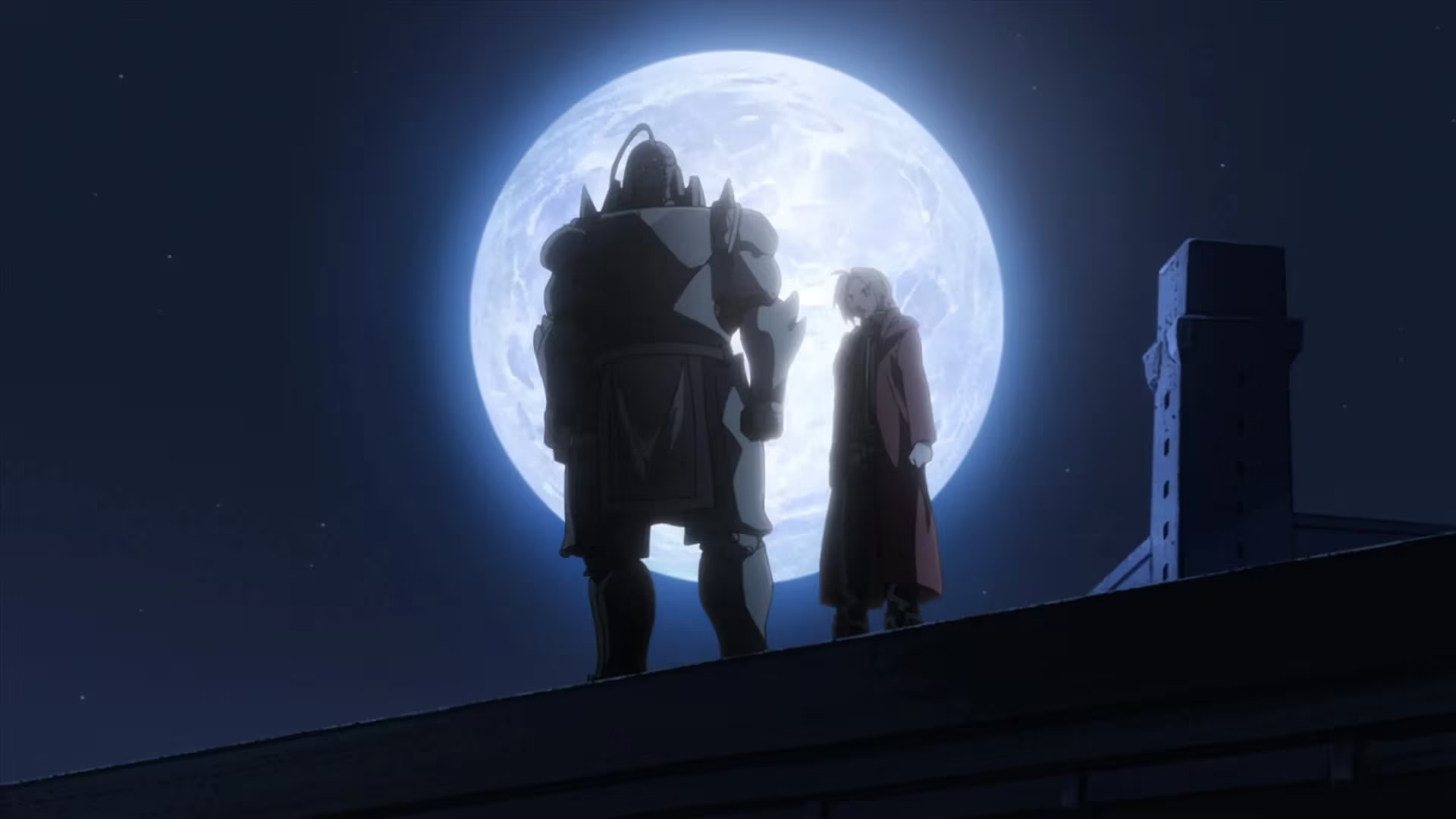
Fullmetal Alchemist: Brotherhood’s strength lies in its consistent pacing-it doesn’t rely on isolated standout episodes. From start to finish, it respects the viewer’s patience, weaving a tightly knit story without the usual seasonal drop in quality. Revisiting it years later only highlights how few modern shows manage the delicate mix of action, comedy, and moral complexity as skillfully.
Studio Bones’ animation and Akira Senju’s soundtrack aren’t just supporting players-they shoulder half the load, elevating a solid script into a series that’s endlessly quotable and hard to outdo. Against this backdrop, it’s no surprise Fullmetal Alchemist regularly appears alongside Death Note and Attack on Titan as must-watch anime staples, but with a steadier, more reliable impact.
Fullmetal Alchemist’s influence on modern anime
Fullmetal Alchemist’s impact shows up where creators mix adventure with the moral cost of every choice. Titles like Witch Hat Atelier echo its faith in serious fantasy without a dry academic tone. Delicious in Dungeon blends grotesque humor and warmth, while Vinland Saga and Frieren: Beyond Journey’s End reflect that rare respect for consequences over flashy spectacle. This isn’t mere imitation-it’s a standard Fullmetal Alchemist set and then refused to lower.
This is why the conversation about Fullmetal Alchemist’s greatness never ages. While new hits fight for seasonal attention, it quietly continues doing what classic anime does best: making later shows feel either derivative or unfinished. Even as another hot title tries to claim the crown, Fullmetal Alchemist will keep setting the bar in ways few others can match anytime soon.