

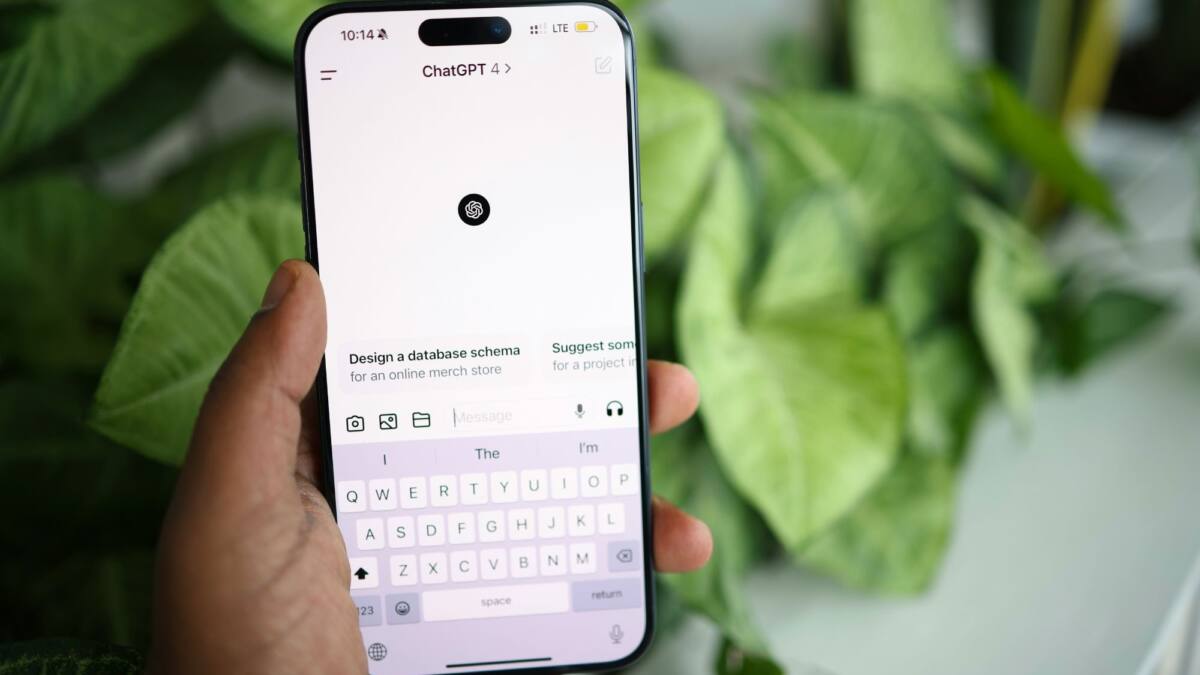
OpenAI has started rolling out GPT-5.5, a new version of the model behind ChatGPT that is built less for chatty back-and-forth and more for getting actual work done. It is available in ChatGPT and Codex for Plus, Pro, Business, and Enterprise users, while a more advanced ”Pro” version is limited to higher-tier subscribers.
The pitch is straightforward: give ChatGPT a looser instruction, let it plan the steps, execute them, and check its own output without making the user babysit every move. That sounds like a small interface tweak until you remember how much of the AI boom has been about making tools sound smarter than they are. This time, the real upgrade is fewer handholds.
GPT-5.5 is built for multi-step work
OpenAI says GPT-5.5 is better at understanding intent, handling ”messy” prompts, and producing structured results with fewer iterations. In practice, that means tasks such as coding, debugging, research, document creation, and data analysis are supposed to be less of a prompt-engineering exercise and more of a delegate-and-review workflow.
That is a meaningful shift for software that has spent most of its life acting like a very fast autocomplete. The company also says the model uses fewer tokens in coding workflows, which should make it faster and cheaper for developers and businesses that are running it at scale. Cost savings are not sexy, but they do tend to matter more than demo-day fireworks once a tool lands in production.
Who gets GPT-5.5 first
The rollout covers ChatGPT and Codex for Plus, Pro, Business, and Enterprise customers, with the higher-end Pro model reserved for the top tier. That structure tells you plenty about OpenAI’s priorities: the company wants consumer attention, but the real battle is being fought in subscriptions, workflows, and enterprise seats.
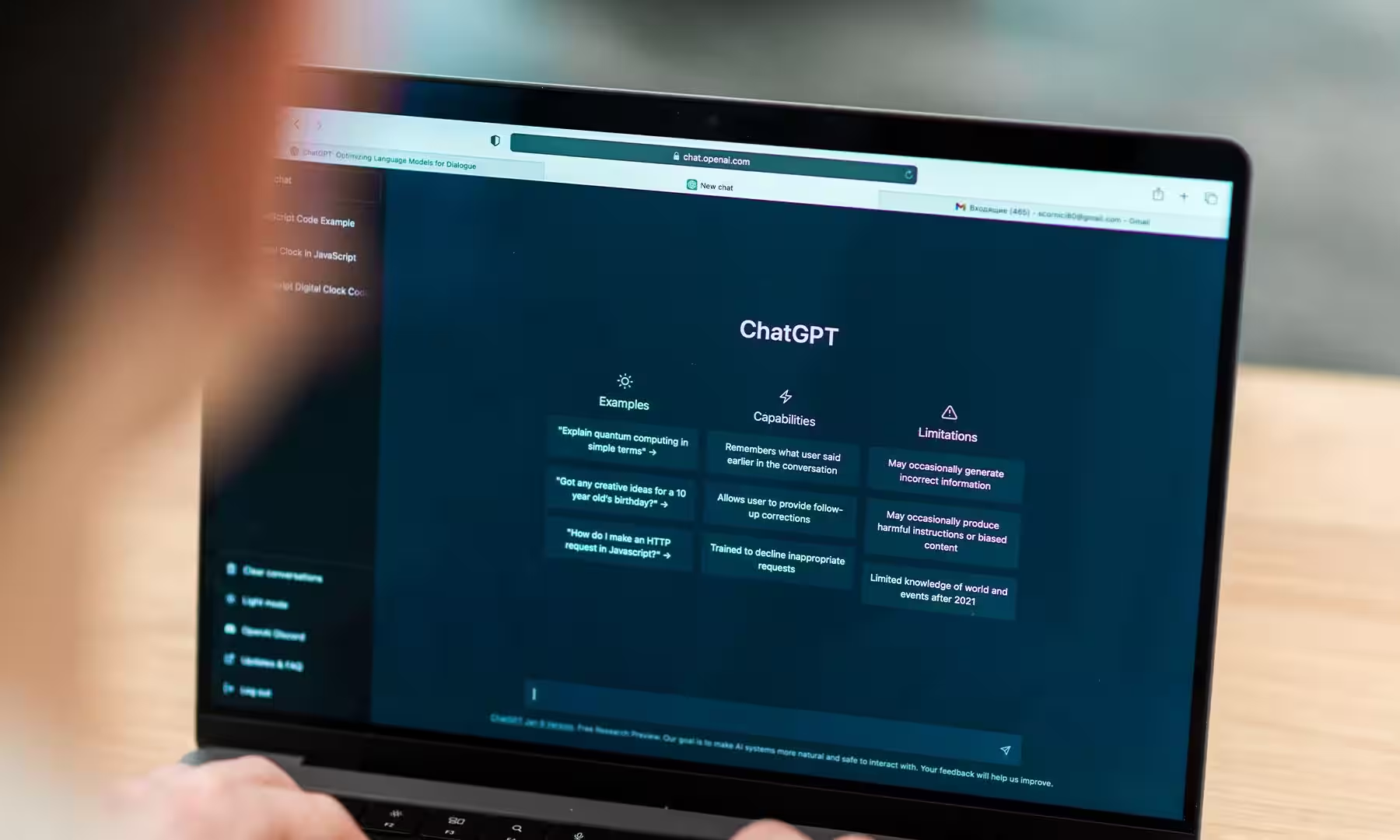
For everyday users, the change may feel incremental. For professionals, it could be the difference between asking ChatGPT one question at a time and handing it a broader objective. Anthropic and other rivals have been pushing hard on enterprise-grade reliability and security, so OpenAI’s move looks as much defensive as it does ambitious.
Reliability is the real test
OpenAI is also leaning on claims of better reliability and safety, with stronger safeguards meant to reduce errors and improve output quality. That matters because the more an AI model is treated like a collaborator, the less tolerance there is for confident nonsense dressed up as productivity.
The larger trend is obvious: OpenAI is steering ChatGPT away from reactive answers and toward systems that can carry out tasks across tools and environments. The next step is likely deeper integration with software ecosystems and longer-running workflows, but the hard part will be consistency. A model that can do more work is useful; a model that can do it accurately every time is what businesses will actually pay for.