


Russian audio equipment manufacturer Octava DM, a partner of Rostec, has launched a new full-cycle factory in Tula dedicated to producing professional audio devices. The facility spans over 1,000 square meters and is equipped with more than 25 advanced machines, employing around 80 specialists. This new factory nearly triples the company’s previous production space and increases its equipment capacity by five times.
- The plant features CNC machines, laser cutting technology, an automated SMD assembly line, and a high-precision audio analyzer.
- Octava DM’s products are officially registered with Russia’s State Information System of Industry and Trade (GISP) and the Ministry of Industry and Trade.
- The company’s previous facility operated on 373 square meters within the historic Octava factory premises.
Official opening ceremony
The factory’s inauguration was attended by Vasily Shpak, Deputy Minister of Industry and Trade of Russia; Alexey Stepin, Deputy Head of Tula Region Government; Lyubov Stalnova, CEO of Octava DM; industry experts; and musicians. Visitors toured the factory floor, inspecting key production areas in operation.
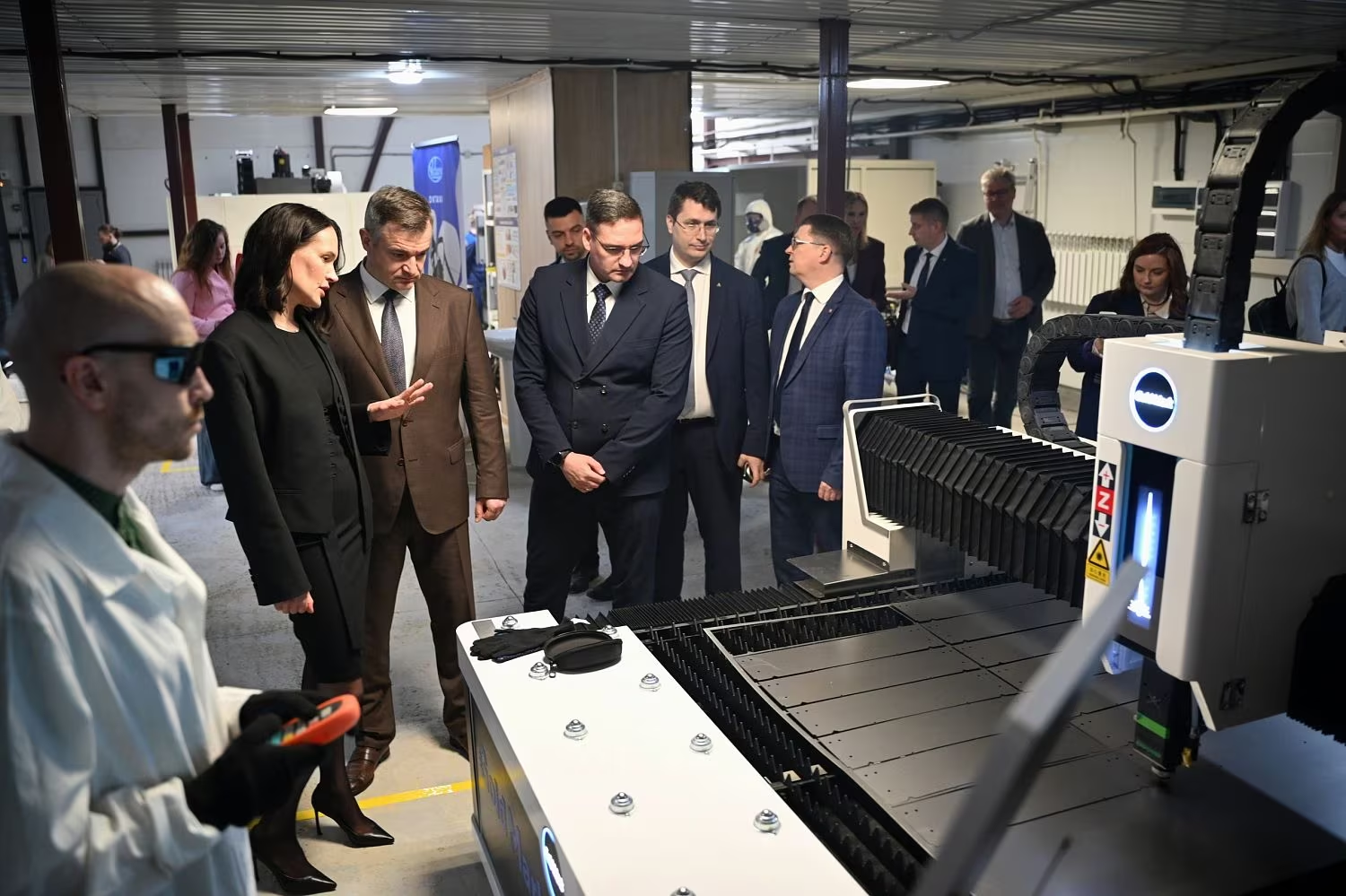
Vasily Shpak highlighted that the new factory strengthens Russia’s technological sovereignty and export potential. He said, ”Octava DM is a prime example of how a well-structured full-cycle production in a specialized niche builds a foundation of technologies, expertise, and cooperative chains. Prioritizing domestically developed audio equipment is a top industry task.”
Speaking on behalf of Governor Dmitry Milyayev, Alexey Stepin called the launch of the digital wireless radio systems and professional audio manufacturing line a significant step in import substitution efforts. ”By establishing this modern production, you’re preserving and developing the legendary Tula brand ’Octava’ – the very voice from which the world once heard the iconic word ’Poyekhali!’” he emphasized, referencing Yuri Gagarin’s famous launch phrase.
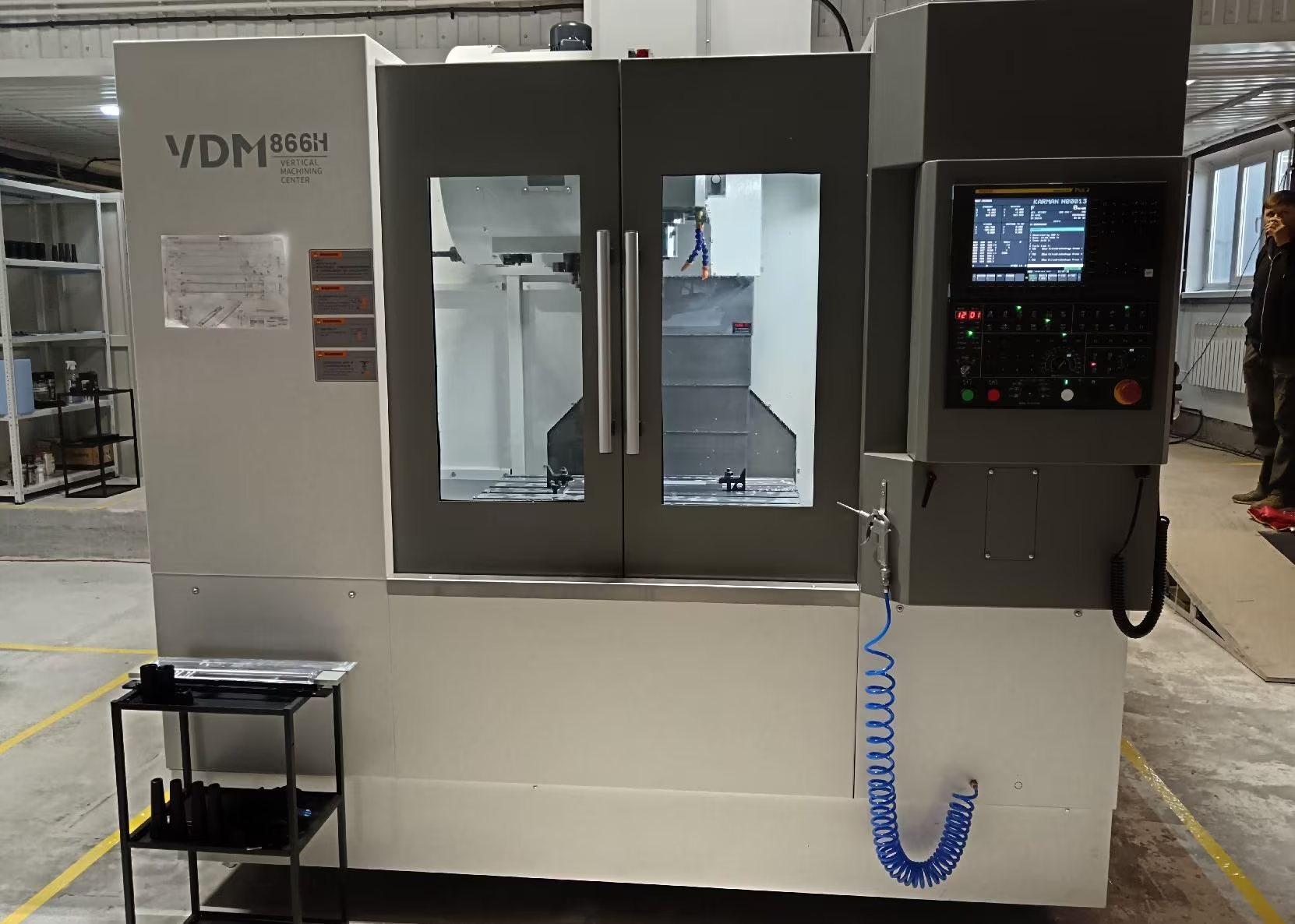
Octava DM production line and equipment
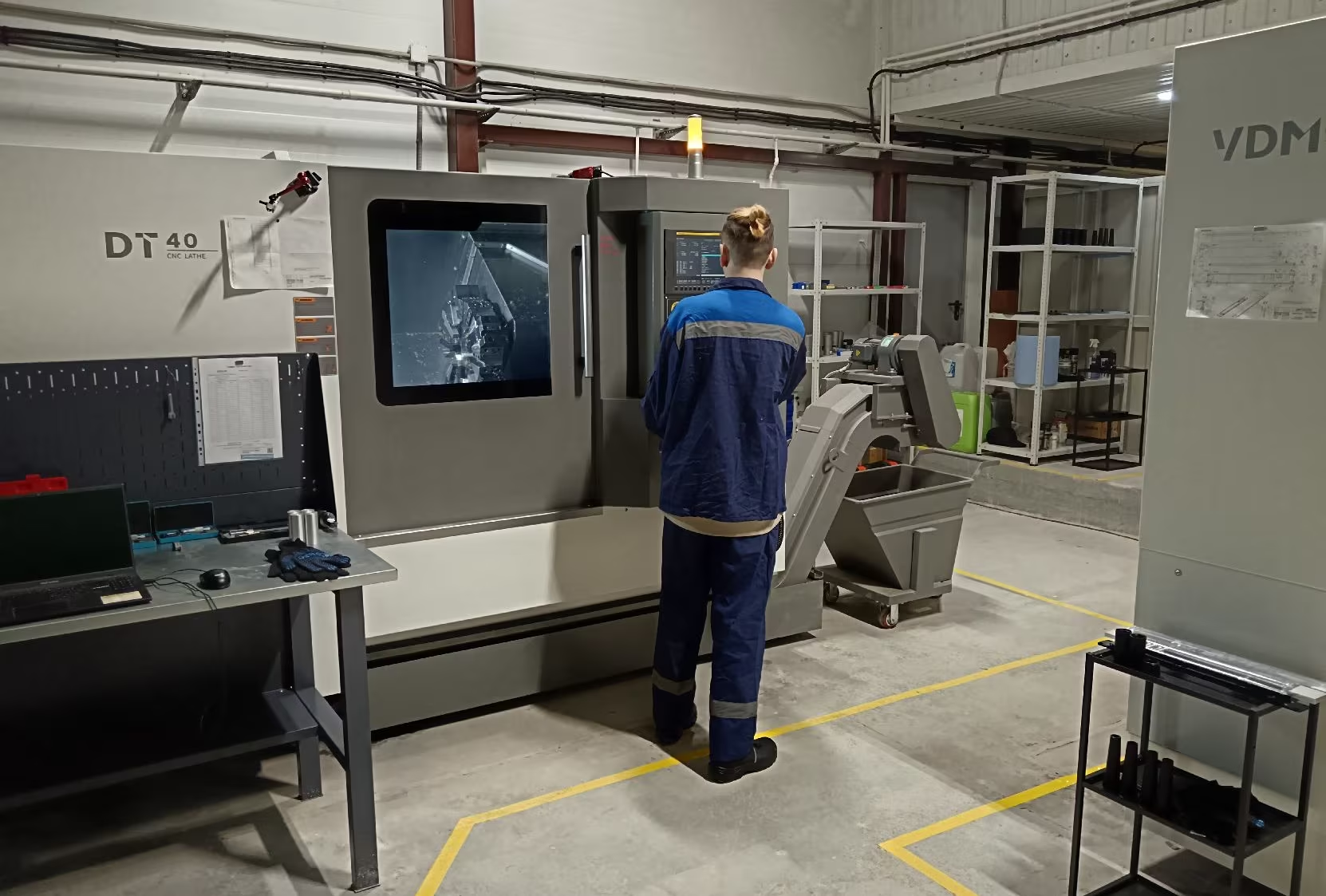
The factory’s core features an automated and manual assembly complex for mounting microchips onto circuit boards. A dedicated workshop assembles microphone capsules using screw and rack presses, winding machines, thermal chambers, and laser engraving equipment. Metalworking is handled on CNC milling and turning machines, a press brake, and a laser cutting system. The production cycle closes with a metrology and quality control department equipped with a high-precision audio analyzer.
CEO Lyubov Stalnova explained that the new facility allows Octava DM to manage quality control at every stage – from PCB design to final testing. ”We’re now ready to increase deliveries not only to large corporations but also to government customers who require reliable, secure, and certified audio solutions,” she said.
Meanwhile, the original production site within the historic Octava factory remains in use, housing assembly lines, injection molding operations, and hearing aid manufacturing. Octava DM positions itself as Russia’s main supplier of audio equipment to cultural institutions, sports and educational facilities, large corporations, and industrial enterprises.
For context, Russia’s audio equipment sector has long been dominated by imported products from Western and Asian manufacturers. Domestic companies like Octava DM, backed by government entities such as Rostec, are now focused on reviving manufacturing with modern facilities, targeting both civilian and government audio applications. This effort aligns with broader import substitution policies amid geopolitical tensions and supply chain disruptions.
Compared to global leaders like Apple and Samsung, which emphasize consumer audio gadgets and wireless earbuds, Octava DM focuses on professional and industrial-grade audio devices, including wireless radio systems and specialized microphones. The company’s move to control the entire production chain reflects a strategy similar to that of established Western audio OEMs to ensure quality and supply security.
Watching how Octava DM expands its technological capabilities and market reach will be key. Its success could encourage more local manufacturers to scale up and innovate, helping Russia reduce dependency on imports for critical audio technologies. The question remains whether Octava DM can compete internationally beyond current government-backed frameworks and carve out its niche on the global stage.