

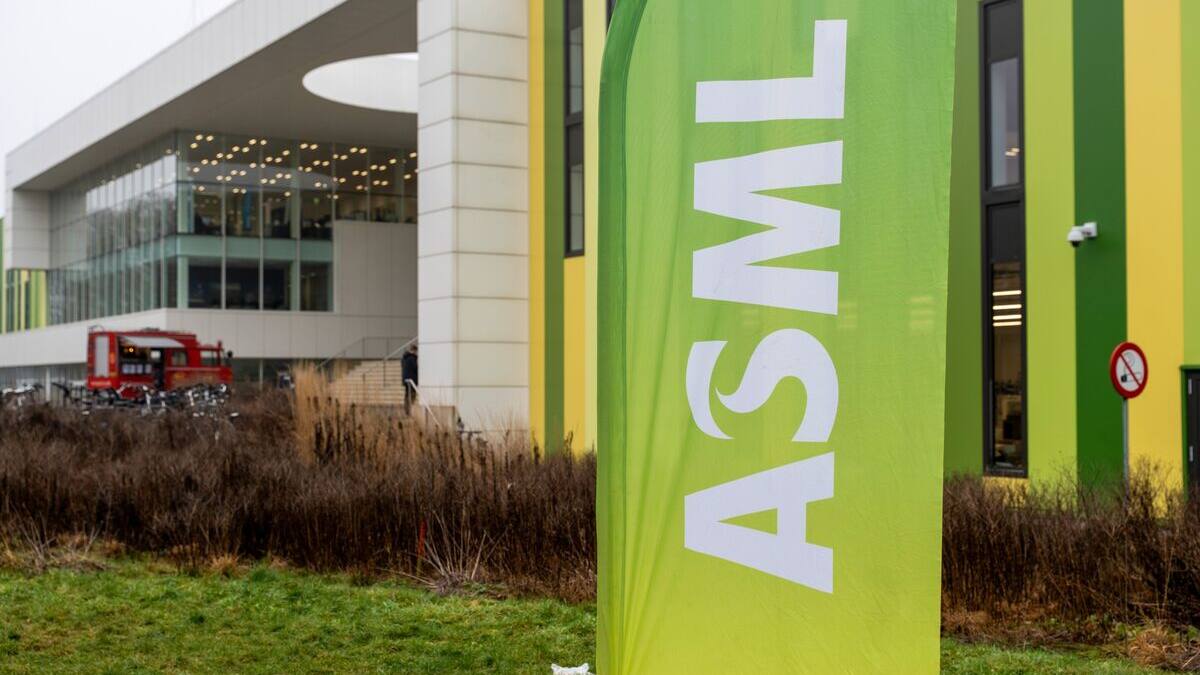
Taiwan Semiconductor Manufacturing Co. is putting the brakes on ASML Holding NV’s newest lithography machines, saying it has no current plan to use the high-NA EUV tools for chip production through 2029. The decision keeps TSMC focused on its existing manufacturing playbook and leaves ASML’s most advanced gear sitting on the shelf a bit longer, despite the Dutch company’s push to move the industry to a new generation of chipmaking equipment.
The reason is straightforward: these machines are expensive, with prices reported at more than €350 million, or $410 million, each. For a foundry that lives and dies by scale, even the most elegant technology has to fight for its spot in the capital budget. TSMC remains ASML’s biggest customer, so a delay from the industry’s pace-setter is more than a one-off buying pause; it is a signal that the market for high-NA EUV will likely open more slowly than vendors hoped.
TSMC’s A13 chip is still on the 2029 clock
TSMC Deputy Co-Chief Operating Officer Kevin Zhang said the company’s leading-edge A13 chip is scheduled to enter production in 2029. That timing suggests the company is comfortable extracting more life from its current lithography arsenal before paying for the very latest kit. It also fits a familiar pattern in chipmaking: the first wave of a new tool often lands with suppliers and the most aggressive early adopters, while the biggest volume player waits until the economics look less punishing.
- ASML’s latest machines are high numerical aperture extreme ultraviolet lithography tools, or high-NA EUV.
- TSMC says it has no current plans to deploy them through 2029.
- Each machine costs more than €350 million, or $410 million, apiece.
- TSMC is ASML’s largest customer.
ASML’s toughest sales pitch is to the customer that matters most
That makes this an awkward moment for ASML. The company has spent years arguing that high-NA EUV is the next necessary step for advanced chip manufacturing, but the industry’s biggest buyer is effectively telling it to come back later. The reluctance is also a reminder that in semiconductor equipment, technical leadership does not automatically translate into immediate orders; cost, yield, and production timing still do the heavy lifting.
The broader question is whether other chipmakers will follow TSMC’s lead or move sooner to lock in the newest tools. If the volume leader is waiting until 2029, ASML may have to lean on smaller early adopters to build momentum, while the rest of the industry watches to see whether high-NA EUV becomes indispensable or simply very expensive patience.