

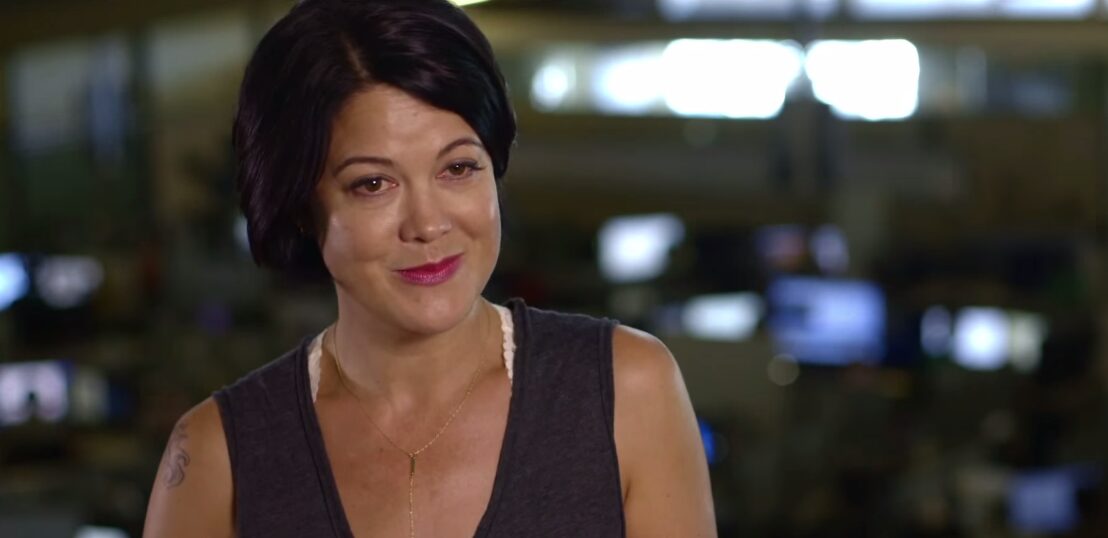
Microsoft’s Xbox division has lost one of the people who helped turn its biggest game brands into screen properties. Kiki Wolfkill, who led Xbox’s film and television efforts, has left the company after 28 years, another sign that the gaming business is being reorganized under Microsoft’s new leadership.
Wolfkill said on LinkedIn that her last day was Friday and that she is looking at ”the next chapter” of her career. That kind of corporate farewell usually means a carefully managed exit, but in this case it also closes a long run that started in 1998, when she joined Microsoft Game Studios as an art director.
From Halo 4 to Halo on television
Wolfkill became one of the key figures behind Halo’s move beyond games. She worked as executive producer on Halo 4 at 343 Industries, later oversaw the franchise’s transmedia efforts, and eventually took charge of Xbox’s film and TV unit. The Halo TV series was the clearest proof that Microsoft wanted more than licensing deals; it wanted a real media pipeline.
That push did not stop at Master Chief. Under Wolfkill’s watch, Xbox-branded adaptations also stretched to Fallout for Amazon, the Minecraft movie, and the upcoming Gears of War project at Netflix. For Microsoft, these projects were about keeping franchises warm far beyond the console cycle – something rival game companies have also been chasing as Hollywood keeps turning games into recurring-content machines.
A familiar talent drain at a busy moment
The timing is awkward, if not surprising. Xbox has been through a stretch of management changes, and entertainment initiatives are often the first place where a company rethinks priorities after a leadership reset. When a division is trying to define its next phase, losing a veteran who knows both game development and screen production can slow momentum, even if the strategy itself stays intact.
- Kiki Wolfkill joined Microsoft in 1998.
- She later became executive producer on Halo 4.
- Her portfolio included Halo, Fallout, Minecraft, and Gears of War projects.
What Xbox’s next screen bets may look like
Wolfkill’s departure leaves Microsoft with a simple but expensive problem: the company still needs to prove that game IP can work as a durable media business, not just a splashy announcement cycle. If the next leader leans harder into existing hits, that is the safest path. If they try to broaden the slate, Xbox will need fresh creative muscle – and probably more patience from a Hollywood that loves the source material until the budget arrives.