

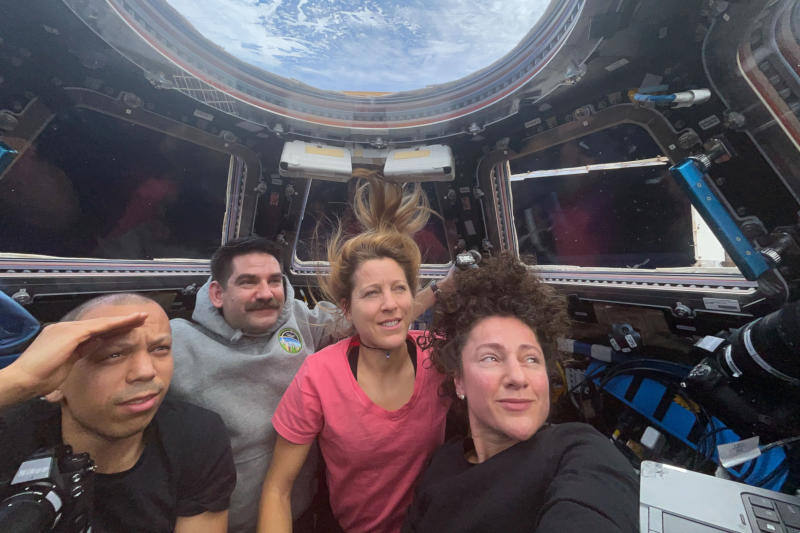
Astronauts aboard the International Space Station are finally unpacking a fresh batch of laptops, and these are a far cry from the aging machines they are replacing. NASA has started rolling out HP ZBook Fury G9 laptops to Expedition 74, with the upgrade plan stretching back to shipments that began in October 2025.
The new machines are not your average corporate notebooks. They use an Intel Core Ultra 9 vPro HX processor, Nvidia RTX Pro Blackwell graphics, 128 GB of DDR5 memory, and four 2 TB NVMe solid-state drives. HP also had to build a custom AC/DC power adapter, because the station runs mainly on direct current and Earth-style chargers are useless up there.
This is also a reminder that space hardware ages faster than the marketing brochures suggest. The ISS already uses more than a hundred HP workstations and printers adapted for microgravity, and the ZBook Fury G9 becomes the third generation of HP computing platforms on board. That kind of installed base matters: once a system is qualified for orbit, replacing it is less about hype and more about not breaking something that is already doing a hard job in a very unfriendly place.
Why the ISS needed HP ZBook Fury G9 laptops
NASA said the station program chose the HP ZBook Fury G9 Mobile Workstation as its new standard notebook, and the transition will happen in stages. First come the network servers, then the new laptops will be switched on, which is about as dull and sensible as it sounds – exactly what you want on a space station.
- Processor: Intel Core Ultra 9 vPro HX
- Graphics: Nvidia RTX Pro Blackwell
- Memory: 128 GB DDR5
- Storage: four 2 TB NVMe SSDs
- Power: special AC/DC adapter for Earth and the ISS
The move also hints at where workstation hardware is heading: more AI-capable graphics, more memory headroom, and heavier local storage, even for crews that are nowhere near a desktop PC. On the ground, HP and Dell have spent years chasing the same premium workstation buyers; in orbit, the competition is simpler – whichever machine survives qualification, power constraints, and microgravity gets the slot.
What happens next on orbit
The first shipment went up in October 2025, but Expedition 74 is only now getting to the unpacking stage, which tells you everything about how slowly hardware rolls through orbital operations. With the new systems already on station, the open question is how quickly NASA can finish the server swap and make the newer workstations the default for everyday work.