

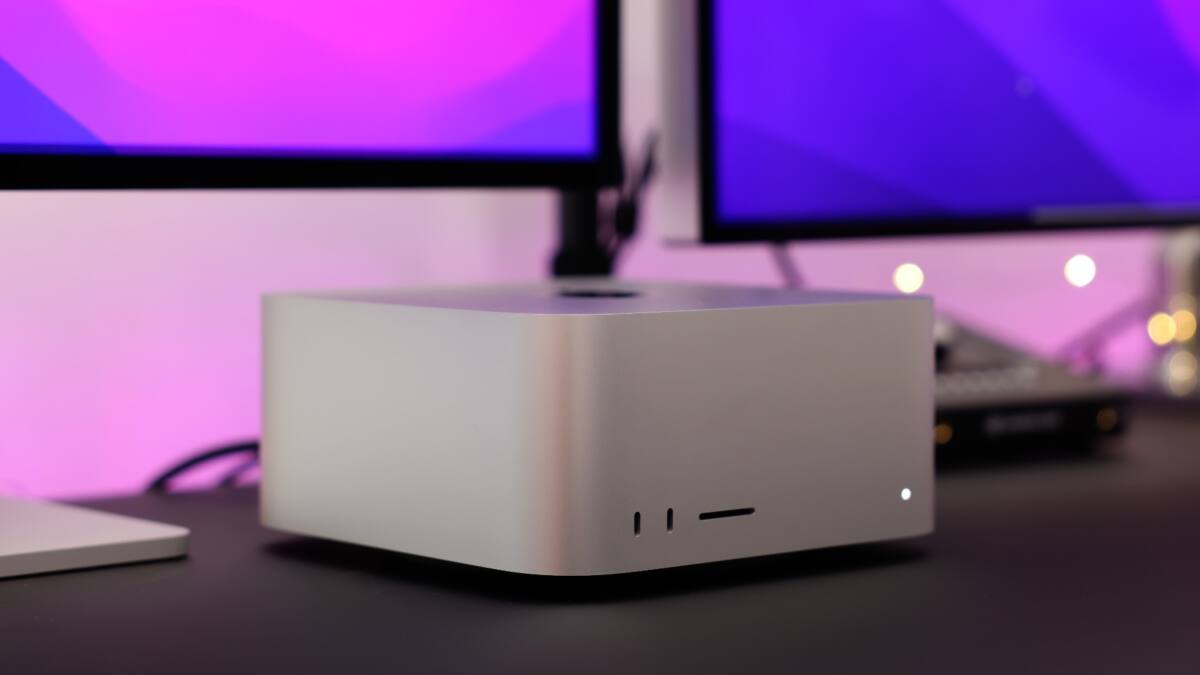
Apple Silicon is turning out to be very good at one specific thing: running local AI models. That has created a funny little side effect – high-end Macs with lots of unified memory are selling fast, and some buyers are clearly treating them less like personal computers and more like tiny AI appliances. If that demand keeps building, Apple’s local AI boom could create a much bigger opportunity than selling expensive desktop machines once.
The company has already dabbled in this territory before. Xserve came and went, and even the 2019 Mac Pro had a rack-friendly variant, but Apple never really committed to being a server vendor. The AI wave changes the equation, because people want always-on machines that can run agents, tap into Apple services, and stay awake without tying up their own laptops. That is exactly why some buyers are stripping the romance off the Mac mini and using it headless.
Why Mac mini demand looks different now
Mac Studios are reportedly hard to find, and Mac minis are said to be disappearing fast as well. That is not just hobbyist enthusiasm; it reflects a broader shift in how people are using local compute. Some of the demand is coming from computer-use agents and similar tools, but the more interesting part is the number of people buying high-memory Macs specifically to run local LLMs. In other words, Apple hardware is becoming part of the AI stack, not just the machine sitting on a desk.
That trend is good for unit sales, but it also hints at a business Apple has ignored: renting macOS and Apple Silicon in the cloud. AWS proved long ago that the unglamorous part of tech can be the most profitable part of the business, and Apple already has a piece of the plumbing in Private Cloud Compute. Right now those servers sound more like future-facing infrastructure than a revenue engine, especially while Apple finishes its Gemini-tuned Apple Intelligence models.
A cloud rental model Apple could actually charge for
The pitch is straightforward: instead of selling someone a $4,000 Mac once, Apple could charge a monthly fee for access to macOS and Apple Silicon running in its own data centers. The appeal is obvious to anyone who wants persistent AI compute without buying another box to leave humming in the corner. Apple would keep the platform under its control, and customers would get exactly the kind of Apple-friendly environment the company already likes to police on-device.
This would also fit the moment. Local AI is pushing people toward bigger memory configurations, which makes the most capable Macs even more expensive and harder to buy. A cloud option would let Apple serve customers who want the power without the hardware hunt, while potentially turning a one-time sale into recurring revenue. That is a much more attractive math problem than moving another slab of aluminum.
Apple’s next hardware chief may love the idea
Apple is already enormous, and iPhone revenue is not exactly waving a white flag. But if the company wants a fresh growth lane in AI, selling compute could be the cleanest one available. The idea also feels more plausible if leadership changes: Tim Cook is widely expected to step down sometime in the near future, and John Ternus comes from the hardware side, where a server business would feel less like a detour and more like a natural extension of the stack.
For now, Apple’s AI opportunity is still mostly being expressed through hardware demand. Yet if buyers keep treating Mac minis and Mac Studios as mini servers, Apple may notice that the real product is not the machine itself. It is the uptime. And uptime is exactly the sort of thing Apple could sell again and again.