

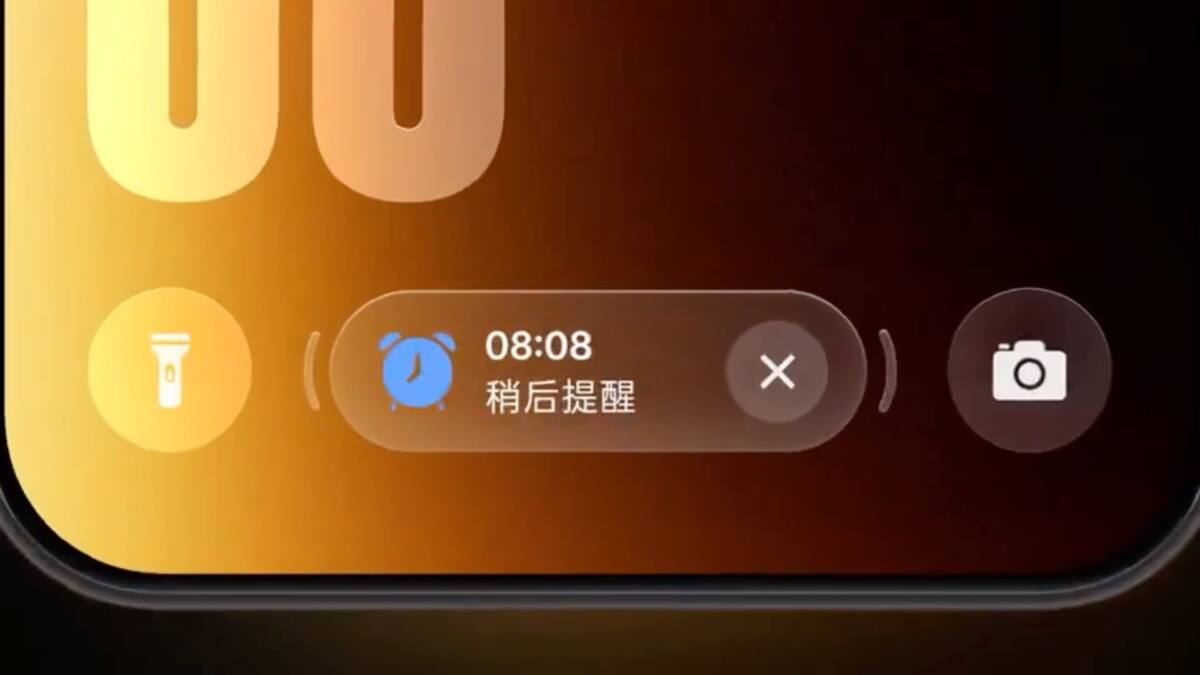
OPPO has shown off a new ”Lockscreen Island” feature in ColorOS 16.1, and OnePlus is expected to inherit the same idea through OxygenOS 16.1 because its software is built on OPPO’s ColorOS. Samsung’s Now Bar is the clear reference point here: a lock screen trick that shows glanceable live updates in a pill at the bottom of the screen, without forcing you to open an app just to see whether your timer is done or your call is ringing.
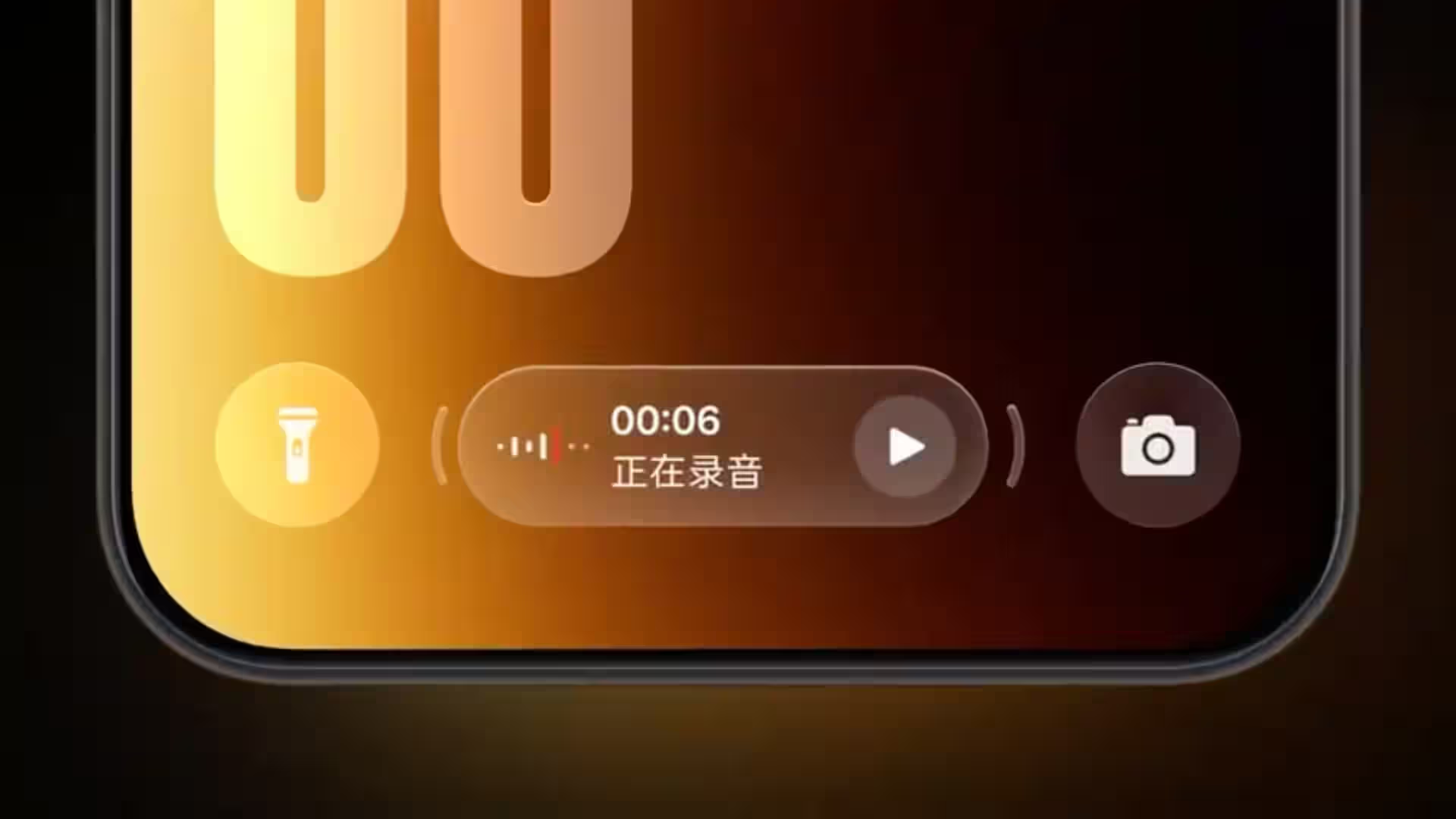
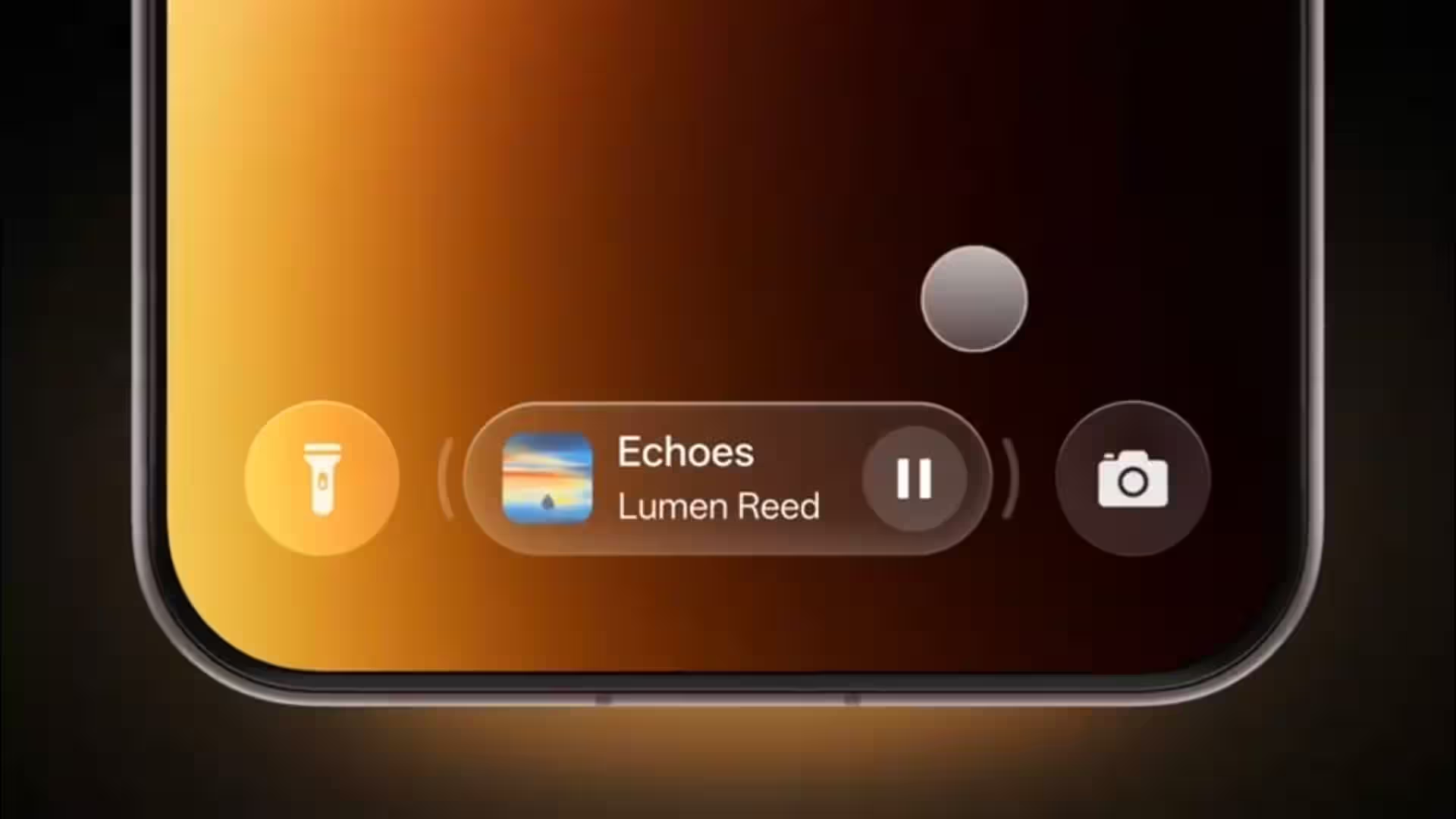
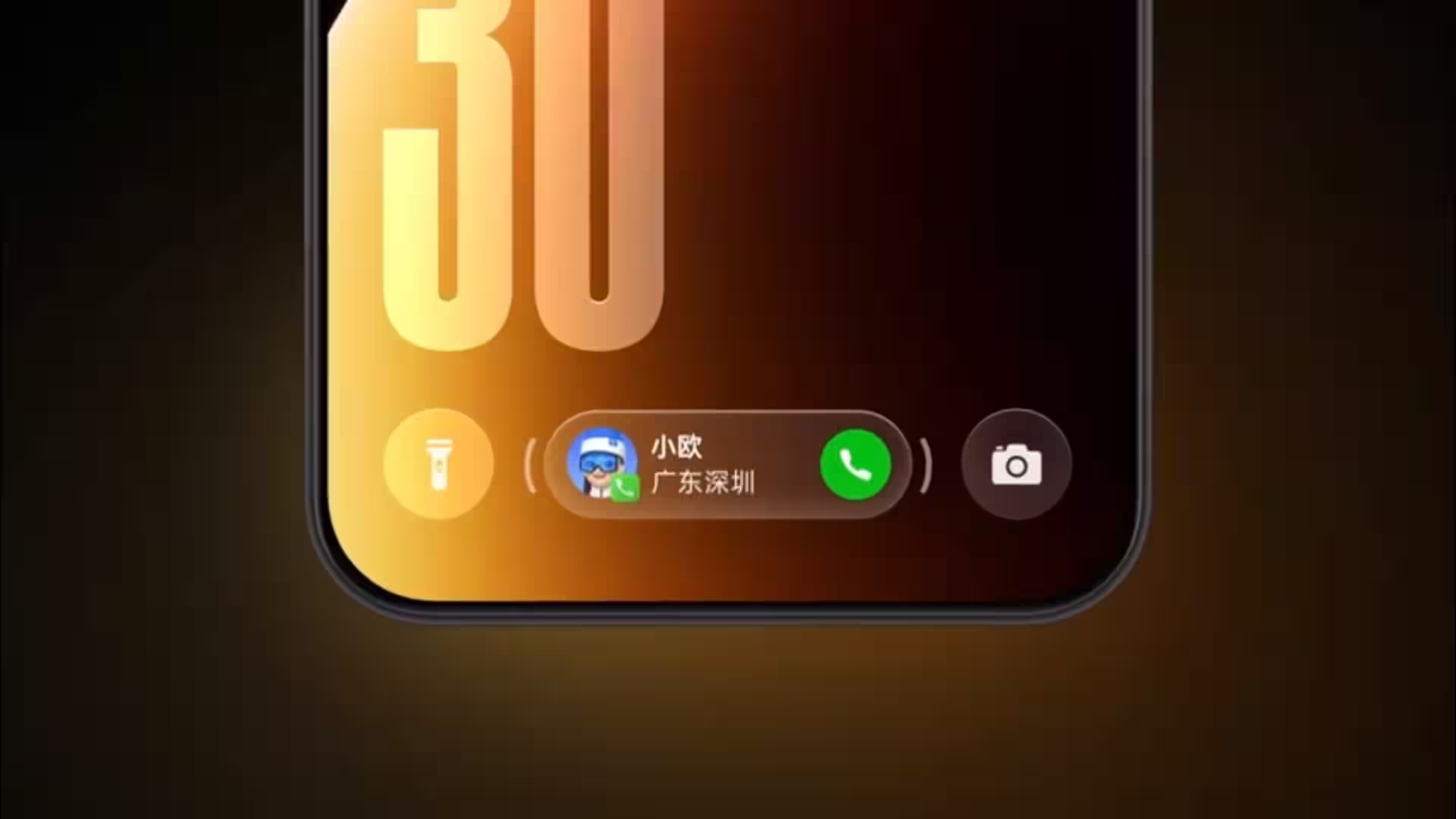
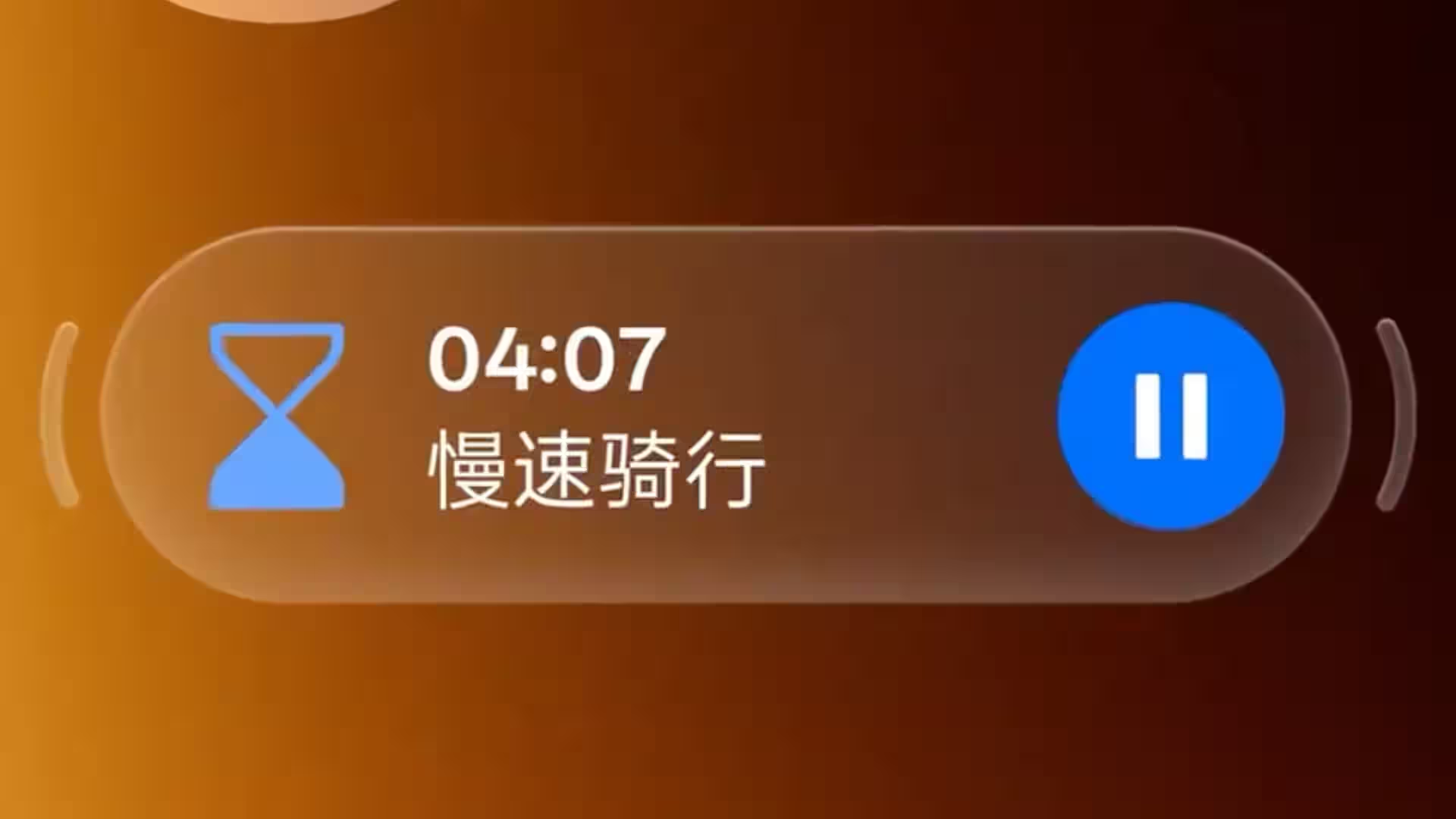
What OPPO’s Lockscreen Island can do
OPPO’s teaser shows the feature handling alarms, voice recording, media playback, incoming calls, timers, maps navigation, and more. It can also switch between activities with a left or right swipe and expand with a tap for more detail. That sounds a lot like Samsung’s Now Bar, which is the point: this is not a brand-new UI concept so much as a popular one that is spreading fast.
The supported apps listed in the teaser include Calendar, Clock, e-book reader, OPPO Health, Maps, Phone, Music Player, Timer, Torch and Weather. OPPO also shows compatibility with Notes and Messages in the promo material, which suggests the company wants this thing to be a small command center, not just a music widget with better branding.
Samsung’s Now Bar still goes wider
Samsung’s version already reaches beyond a handful of stock apps. In One UI 8.5, Now Bar can surface ongoing information from services such as Google Maps, Google Wallet, Samsung Health, Samsung Notes, SmartThings, and Google Finance, along with media controls, voice recorder activity, and sports scores. Samsung is also expected to expand Now Bar and Now Brief again with One UI 9, which is a reminder that the company is treating this as a platform feature, not a one-off visual flourish.
That broader app support is the real battleground. A lock screen feature only becomes sticky if it survives outside the demo video, and Samsung has the advantage of deeper integration across its own apps and partnerships. OPPO and OnePlus can absolutely make the interface look slick; the harder part is making developers care enough to keep feeding it useful live data.
Why this feature is spreading so quickly
The rapid imitation makes sense. Phone makers have spent years trying to make lock screens do more than sit there looking pretty, and the industry keeps circling back to the same idea: surface timely information with as few taps as possible. Apple has already normalized the idea of glanceable live activities, and Android brands are now racing to give their own version a cleaner, more centralized home.
For users, the upside is obvious. For OEMs, the appeal is less romantic and more practical: a feature like this makes the software feel modern, while also tying everyday tasks to the brand’s own ecosystem. The race is no longer about who copied whom. It is about who can make the lock screen useful enough that people stop thinking of it as a copy at all.
OxygenOS 16.1 will likely follow ColorOS
Because OnePlus uses OxygenOS, and OxygenOS is based on OPPO’s ColorOS, the new Lockscreen Island is expected to show up there too. That makes OnePlus less an independent tester here and more a passenger on OPPO’s software roadmap, which is pretty typical for the two brands at this point.
The bigger question is whether Xiaomi, vivo and the rest of the Chinese Android pack answer with their own take. If they do, expect the lock screen to become yet another place where phones are doing their best impression of each other, with Samsung trying to stay one step ahead by widening the list of things its Now Bar can actually do.