

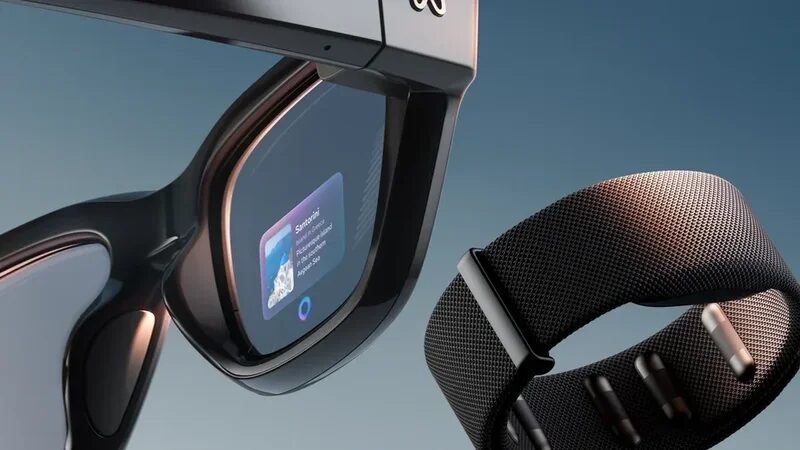
Apple’s rumored N50 smart glasses may be less ambitious than the Vision Pro, and that is exactly why they have a shot at becoming a hit. Instead of trying to sell people an 800-gram headset they’ll mostly wear alone, Apple seems to be aiming for something ordinary enough to live on your face in public: glasses.
The early report is clear on one important point: these glasses are not AR glasses, and they do not have a display. That makes them sound modest, even a little boring, until you remember that boring often wins in wearables. Meta proved that a camera, speakers, and a microphone can be enough to create a useful product category; Apple’s edge would be tighter integration with Apple Intelligence and Siri, plus the usual Apple gift for making hardware feel less awkward than it should.
What Apple’s N50 smart glasses are supposed to do
The rumored glasses are part of a broader set of accessories that would work together, including a camera-equipped pendant and even camera-equipped AirPods. The idea is to collect more real-world data for Apple Intelligence, then turn that into hands-free assistance during everyday tasks. In other words, Apple may be building a tiny on-body sensor network before it builds the sci-fi headset everyone keeps asking for.
- No display
- Not an augmented reality device
- Camera, speakers, and microphone are the core hardware
- Designed to work with Apple Intelligence and Siri
Why the Vision Pro still looks like a warning label
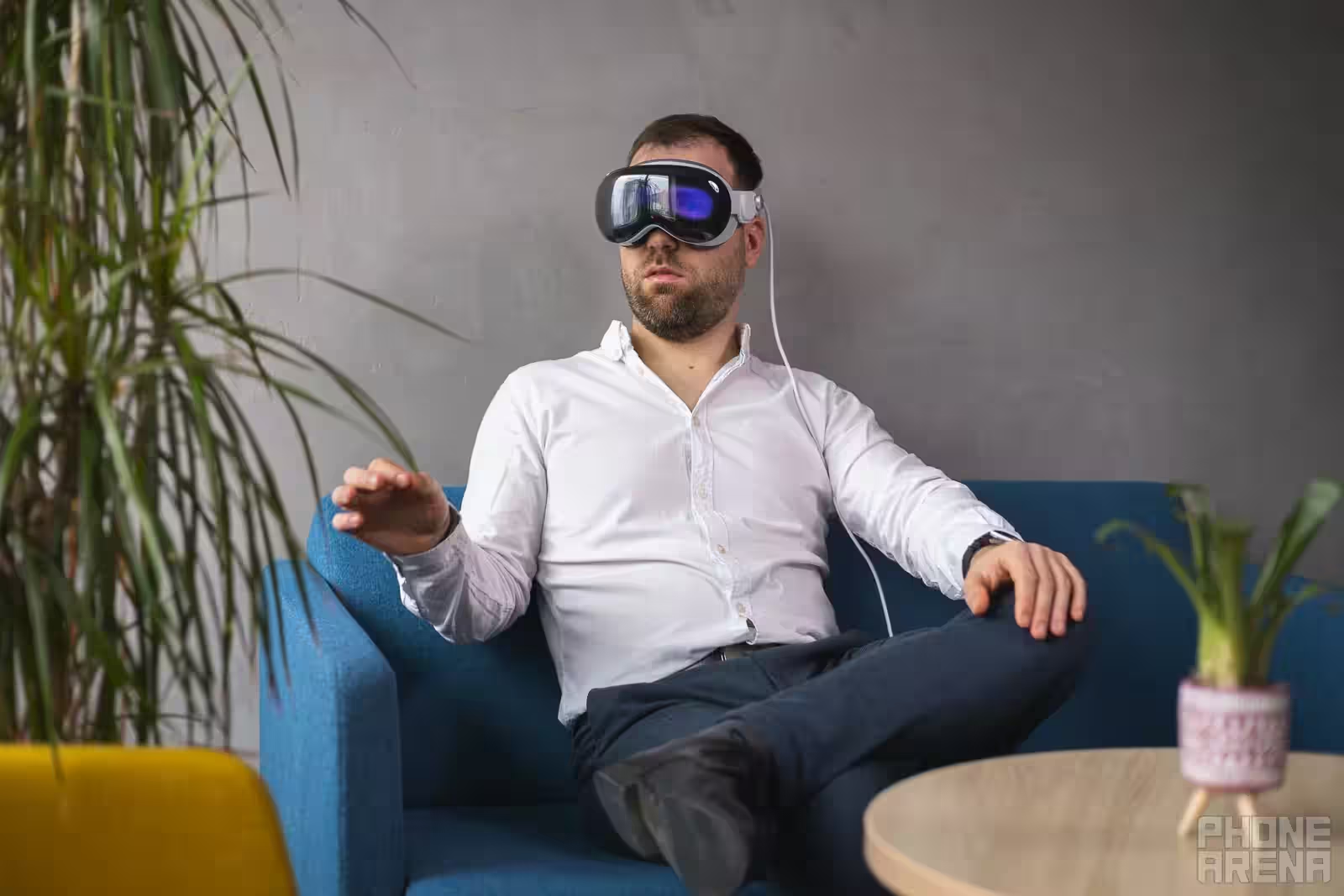
The Vision Pro is impressive in the same way a supercar is impressive: you admire it, maybe even want to try it, and then you remember it is expensive, heavy, and not remotely subtle. Mixed reality or not, it is still a bulky computer strapped to your head, which is a tough sell in a world where most people already own a phone, a laptop, and headphones that do the job just fine.
That friction is the real problem for headsets, not the spec sheet. VR has been promised a breakout moment for years and still feels stuck in the ”almost there” phase, while a pair of glasses benefits from a social license headsets never had. People already wear glasses in public; they do not need a lecture from a setup wizard about embracing the future.
The appeal of Apple smart glasses that do not feel like a device
Apple’s smartest move here may be restraint. A screenless wearable can still handle calls, play music, and let you talk to an assistant without fishing a phone out of your pocket every five minutes. That is hardly glamorous, but it is the kind of convenience that quietly changes habits, which is how a lot of successful Apple products have worked for years.
There is also the style factor, and it matters more than Silicon Valley likes to admit. The rumored N50 frames are said to come in three shapes: a Wayfarer-style design, a more rectangular version similar to Tim Cook’s glasses, and a large circular option. That is Apple speaking the language of fashion, not just engineering.


Apple smart glasses price and likely rivals
Apple has not said how much the N50 glasses will cost, but the hardware hints at something closer to Meta’s Ray-Ban camera glasses than to a premium headset. That is the interesting competitive lane here: not the fantasy product people imagine, but the one they are actually willing to buy and wear. If Apple gets that balance right, it may find that the less futuristic product is the one with the brighter future.
The open question is whether Apple can turn ”smart glasses” from a novelty into a daily habit before competitors flood the space with cheaper pairs and more experimental AI features. My bet is yes, mainly because Apple is very good at making people tolerate hardware they would ignore from anyone else. The more important question is simpler: once the glasses do the basics well, will anyone still want the brick?