

The race is really about trust, not specs
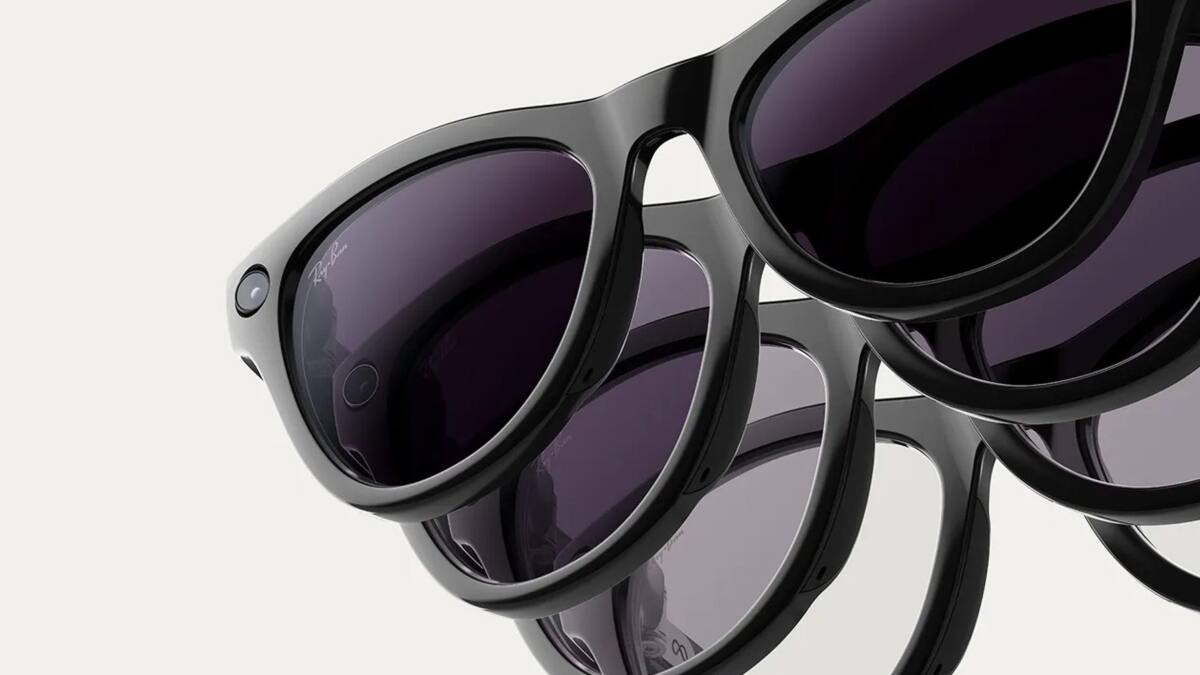
Meta has done more than anyone to normalize the category, but it has also shown the downside: smart glasses that feel useful to the wearer can still feel invasive to everyone else. Apple seems to understand that a privacy signal hidden in a tiny corner is not much of a signal at all. If the company can make recording status impossible to miss, it could shift the conversation from ”Are those glasses on?” to ”Fine, I can see what they’re doing.”
That is a higher bar than most hardware launches, and it is probably why fully featured augmented reality glasses are still farther away, likely toward the end of the decade. For now, Apple’s bet looks more modest and, frankly, more believable: get the basics right, make the device feel less invasive, and let the rest of the ecosystem do the heavy lifting.
The open question is whether a brighter light is enough to tame a category built around silent cameras and constant ambient sensing. Apple may be able to make smart glasses less creepy than Meta’s version, but if the device still turns your face into a camera rig, the public verdict could arrive before the launch party does.
The race is really about trust, not specs
Meta has done more than anyone to normalize the category, but it has also shown the downside: smart glasses that feel useful to the wearer can still feel invasive to everyone else. Apple seems to understand that a privacy signal hidden in a tiny corner is not much of a signal at all. If the company can make recording status impossible to miss, it could shift the conversation from ”Are those glasses on?” to ”Fine, I can see what they’re doing.”
That is a higher bar than most hardware launches, and it is probably why fully featured augmented reality glasses are still farther away, likely toward the end of the decade. For now, Apple’s bet looks more modest and, frankly, more believable: get the basics right, make the device feel less invasive, and let the rest of the ecosystem do the heavy lifting.
The open question is whether a brighter light is enough to tame a category built around silent cameras and constant ambient sensing. Apple may be able to make smart glasses less creepy than Meta’s version, but if the device still turns your face into a camera rig, the public verdict could arrive before the launch party does.
The race is really about trust, not specs
Meta has done more than anyone to normalize the category, but it has also shown the downside: smart glasses that feel useful to the wearer can still feel invasive to everyone else. Apple seems to understand that a privacy signal hidden in a tiny corner is not much of a signal at all. If the company can make recording status impossible to miss, it could shift the conversation from ”Are those glasses on?” to ”Fine, I can see what they’re doing.”
That is a higher bar than most hardware launches, and it is probably why fully featured augmented reality glasses are still farther away, likely toward the end of the decade. For now, Apple’s bet looks more modest and, frankly, more believable: get the basics right, make the device feel less invasive, and let the rest of the ecosystem do the heavy lifting.
The open question is whether a brighter light is enough to tame a category built around silent cameras and constant ambient sensing. Apple may be able to make smart glasses less creepy than Meta’s version, but if the device still turns your face into a camera rig, the public verdict could arrive before the launch party does.
- Expected launch window: 2026 or 2027
- Core functions: photo and video capture, Siri voice interaction, notifications, and media playback
- Design direction: no display, with a more visible recording indicator built into the camera module
The race is really about trust, not specs
Meta has done more than anyone to normalize the category, but it has also shown the downside: smart glasses that feel useful to the wearer can still feel invasive to everyone else. Apple seems to understand that a privacy signal hidden in a tiny corner is not much of a signal at all. If the company can make recording status impossible to miss, it could shift the conversation from ”Are those glasses on?” to ”Fine, I can see what they’re doing.”
That is a higher bar than most hardware launches, and it is probably why fully featured augmented reality glasses are still farther away, likely toward the end of the decade. For now, Apple’s bet looks more modest and, frankly, more believable: get the basics right, make the device feel less invasive, and let the rest of the ecosystem do the heavy lifting.
The open question is whether a brighter light is enough to tame a category built around silent cameras and constant ambient sensing. Apple may be able to make smart glasses less creepy than Meta’s version, but if the device still turns your face into a camera rig, the public verdict could arrive before the launch party does.
- Expected launch window: 2026 or 2027
- Core functions: photo and video capture, Siri voice interaction, notifications, and media playback
- Design direction: no display, with a more visible recording indicator built into the camera module
The race is really about trust, not specs
Meta has done more than anyone to normalize the category, but it has also shown the downside: smart glasses that feel useful to the wearer can still feel invasive to everyone else. Apple seems to understand that a privacy signal hidden in a tiny corner is not much of a signal at all. If the company can make recording status impossible to miss, it could shift the conversation from ”Are those glasses on?” to ”Fine, I can see what they’re doing.”
That is a higher bar than most hardware launches, and it is probably why fully featured augmented reality glasses are still farther away, likely toward the end of the decade. For now, Apple’s bet looks more modest and, frankly, more believable: get the basics right, make the device feel less invasive, and let the rest of the ecosystem do the heavy lifting.
The open question is whether a brighter light is enough to tame a category built around silent cameras and constant ambient sensing. Apple may be able to make smart glasses less creepy than Meta’s version, but if the device still turns your face into a camera rig, the public verdict could arrive before the launch party does.
Apple’s first smart glasses may not try to dazzle people with a floating display or full-bore augmented reality. Instead, the company looks set to attack the category’s ugliest problem head-on: the feeling that someone wearing the glasses could be recording you without permission.
A Bloomberg report says the device, codenamed N50, is aimed at everyday tasks and is expected around 2026 or 2027. Think photo and video capture, Siri voice control, notifications, and media playback – basically an iPhone sidekick for your face, not a portable sci-fi headset. That restraint may be the smartest thing Apple can do, because smart glasses have spent years looking useful and acting creepy at the same time.
Apple’s smart glasses recording light could be the real product
The big twist is the recording indicator. Rather than relying on a tiny LED that can be overlooked, Apple is reportedly testing a more prominent lighting system built into the camera module, with vertically oriented lenses surrounded by visible light elements. That sounds minor until you remember how much smart glasses adoption depends on other people trusting the person wearing them.
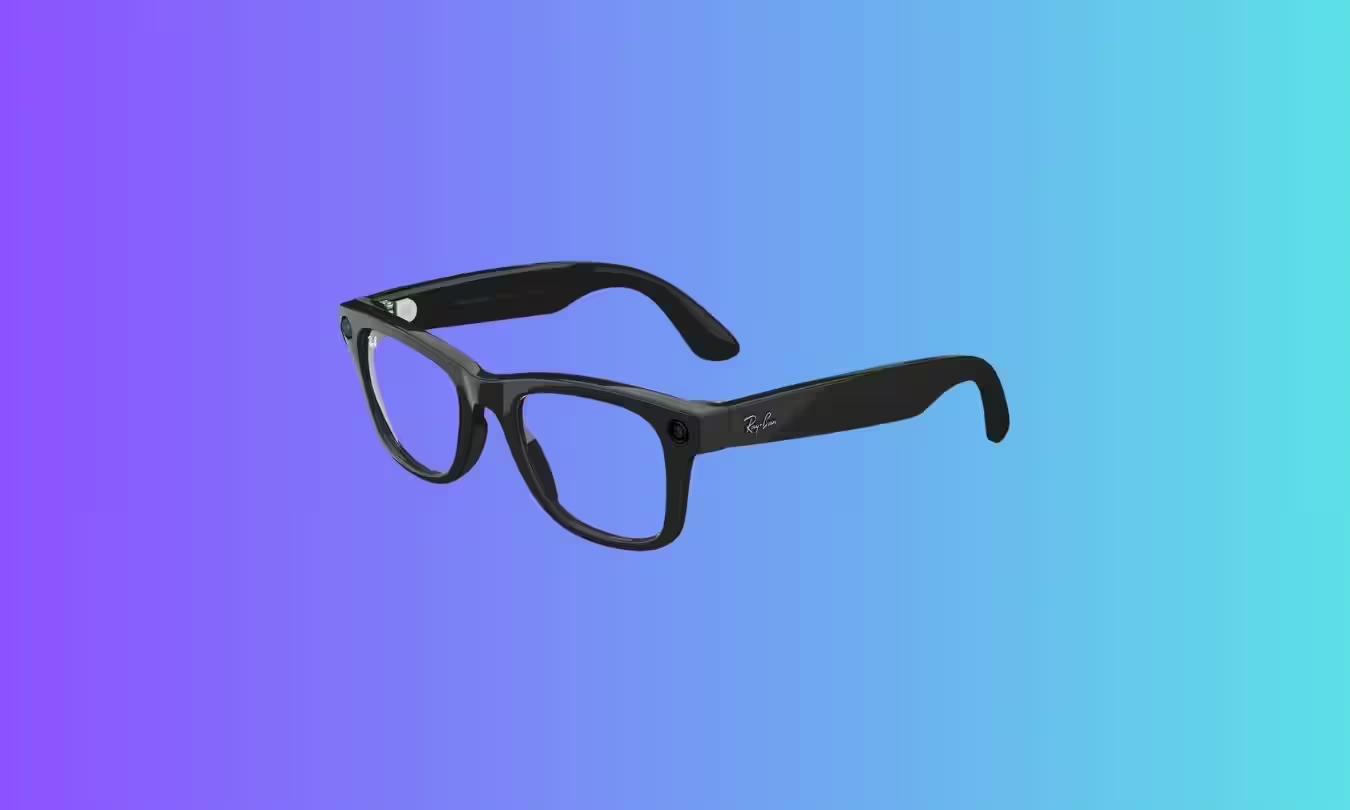
There’s a reason this matters. Users of Meta’s Ray-Ban glasses have already tried to get around recording indicators, and accessory sellers have pushed add-ons meant to dim or block the light. Even when those tricks fail, they reinforce the worst suspicion about the category: if the indicator can be hidden, the wearer probably wants it hidden.
Why Apple keeps arriving late on purpose
This is classic Apple behavior. The company rarely rushes into a category first; it waits, trims away the awkward bits, and sells the result as obvious. The iPhone and Apple Watch followed that playbook, and smart glasses may be next in line. The difference is that here the main design challenge is not battery life or lens thickness. It is social permission.
That also explains why the glasses appear to be part of a broader wearable push rather than a one-off gadget. Bloomberg says Apple is working on AI-powered AirPods and other devices that can interpret the user’s surroundings. If computer vision and Apple Intelligence can feed navigation prompts, reminders, and contextual help into a device people actually want to wear, Apple gets to build an ambient AI layer without making everyone around the wearer uneasy.
- Expected launch window: 2026 or 2027
- Core functions: photo and video capture, Siri voice interaction, notifications, and media playback
- Design direction: no display, with a more visible recording indicator built into the camera module
The race is really about trust, not specs
Meta has done more than anyone to normalize the category, but it has also shown the downside: smart glasses that feel useful to the wearer can still feel invasive to everyone else. Apple seems to understand that a privacy signal hidden in a tiny corner is not much of a signal at all. If the company can make recording status impossible to miss, it could shift the conversation from ”Are those glasses on?” to ”Fine, I can see what they’re doing.”
That is a higher bar than most hardware launches, and it is probably why fully featured augmented reality glasses are still farther away, likely toward the end of the decade. For now, Apple’s bet looks more modest and, frankly, more believable: get the basics right, make the device feel less invasive, and let the rest of the ecosystem do the heavy lifting.
The open question is whether a brighter light is enough to tame a category built around silent cameras and constant ambient sensing. Apple may be able to make smart glasses less creepy than Meta’s version, but if the device still turns your face into a camera rig, the public verdict could arrive before the launch party does.