

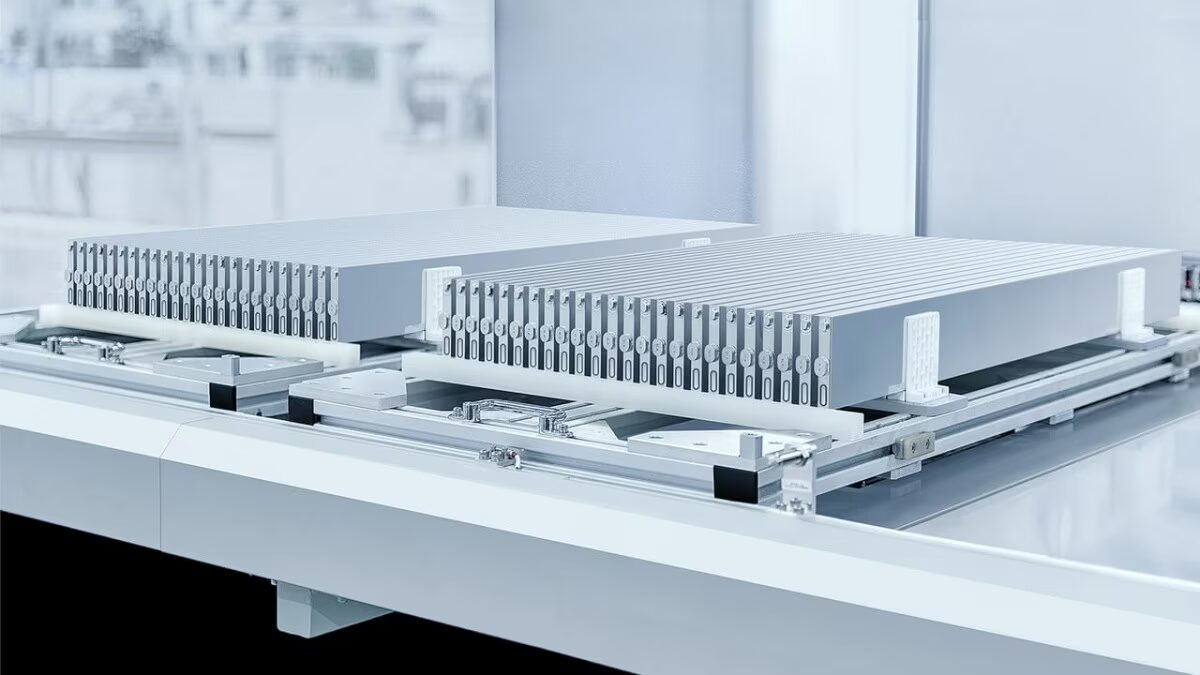
Solid-state batteries promise longer range, faster charging, and improved safety for electric vehicles (EVs), but don’t expect them in affordable mass-market EVs anytime soon. BYD’s chief scientist Lian Yubo revealed that while solid-state technology is reaching a ”critical breakthrough,” scaling production to millions of vehicles at a reasonable cost remains a huge hurdle. The latest insights from one of the world’s top EV makers underscore that lab success and mass production are still far apart.
Speaking at a forum on China’s automotive policies, Lian explained that solid-state batteries have made significant strides but face fundamental challenges. Most EVs today rely on liquid electrolytes that can pose safety risks. Solid-state batteries replace these with solid materials, reducing fire hazards and boosting durability. However, these materials don’t always interact smoothly-issues like unstable interfaces and the growth of lithium dendrites, tiny needle-like structures that can damage the battery, still need solving.
BYD isn’t just focused on battery chemistry. Lian emphasized that EV development needs a broader shift: ”We should start from the driver’s needs, not just build a battery and hand it off to engineers.” Instead of creating batteries first and integrating later, BYD advocates designing batteries specifically for real-world goals-whether that’s a 20-year lifespan or ultra-quick charging during a coffee break. This system-level thinking, BYD believes, could give them a competitive edge.
Meanwhile, BYD is doubling down on improving existing lithium-ion battery technologies. Their Blade Battery 2.0, based on lithium iron phosphate (LFP), is already widely used and offers about 210 Wh/kg energy density. More impressive is charging speed: the battery can jump from 10% to 70% charge in roughly five minutes-approaching the convenience of refueling a gas car.
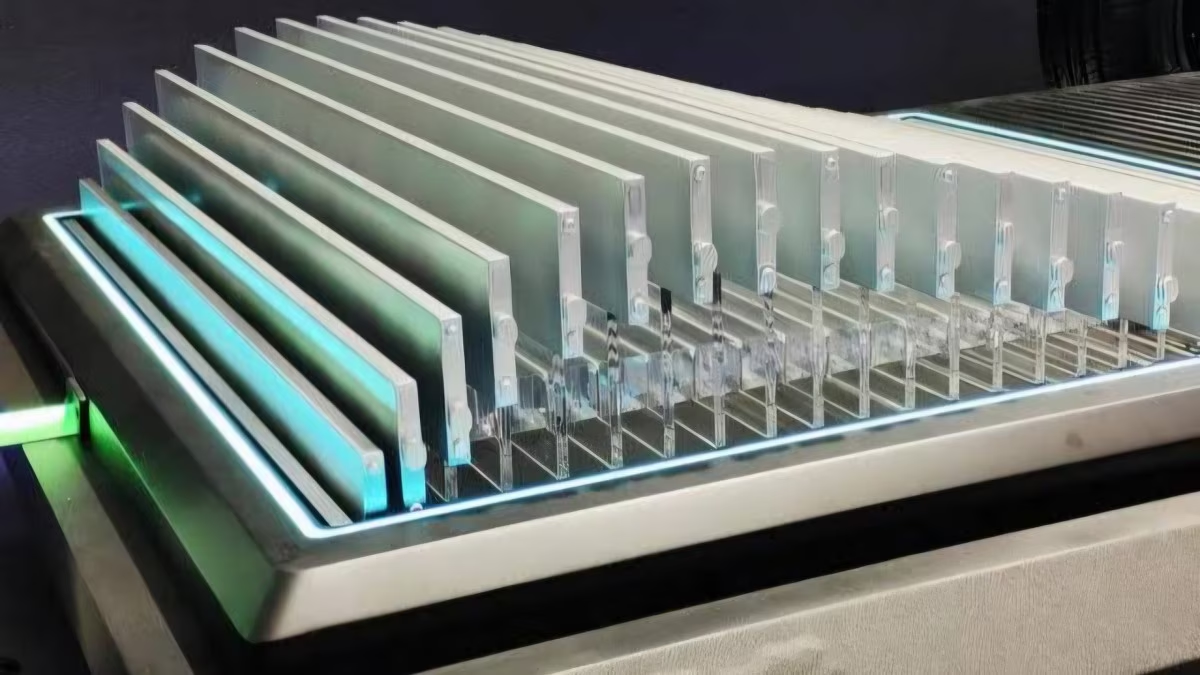
Solid-state batteries aren’t the only alternative BYD is exploring. They’re also developing sodium-ion batteries that swap lithium for cheaper sodium. According to Lian, these can handle up to 10,000 charge cycles-translating to over 27 years of daily driving. While sodium-ion won’t power high-performance models, it could make affordable EVs more accessible for everyday families.
BYD’s timeline for solid-state battery production and availability
So when will BYD roll out EVs with solid-state batteries? The company plans limited small-scale production around 2027, mainly for demonstration purposes. Mass-market availability, however, is unlikely before 2030, with sulfide-based solid-state batteries expected to take center stage in the coming years.
Improvements in traditional lithium-ion and sodium-ion batteries
At the same time, traditional liquid-electrolyte batteries aren’t going anywhere soon. BYD is improving them to boost power output and cold-weather performance. The EV market over the next decade will likely feature a mix of battery types, including:
- Cost-effective sodium-ion cells for affordable EV models
- Improved lithium iron phosphate (LFP) batteries like BYD’s Blade Battery 2.0
- High-end solid-state battery packs debuting first in premium vehicles
While solid-state batteries represent a promising leap, the transition from laboratory breakthroughs to everyday cars will be gradual. BYD’s focus on driver-centered design and parallel advances in existing battery technologies suggest the EV battery landscape will remain diverse before solid-state truly takes off.