

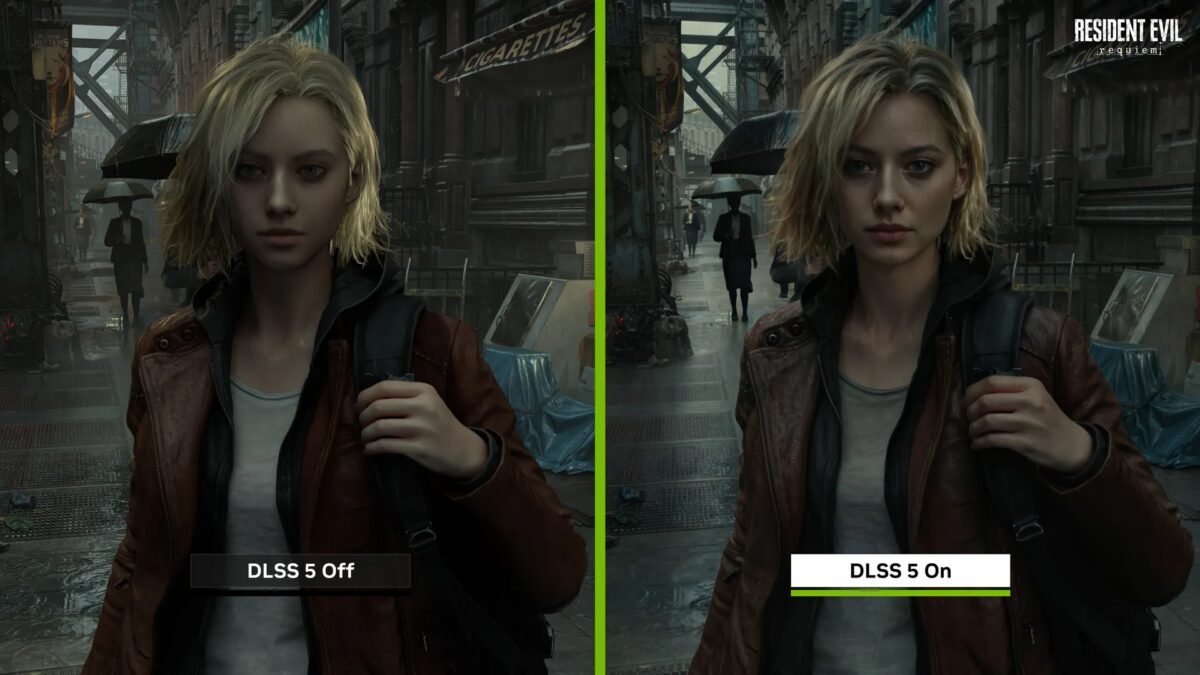
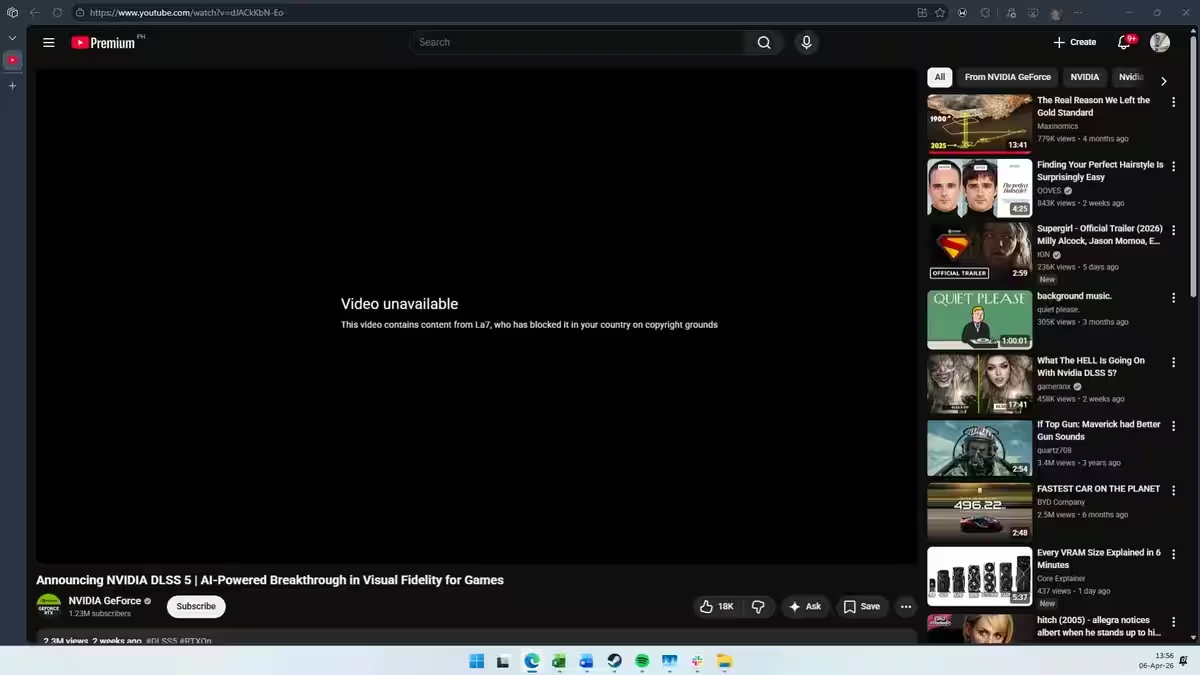
Nvidia’s own DLSS 5 announcement video has been pulled from YouTube in Italy after a local TV channel fired off a copyright strike over footage it had also used in its own coverage. The weird part is not that a broadcaster reused a trailer; that happens all the time. The weird part is that YouTube’s automated systems appear to have treated the complaint as if ownership were obvious, and the takedown hit Nvidia itself along with other videos using the same clip.
That makes this less like a simple rights dispute and more like a familiar YouTube copyright strike problem: one overconfident claim, then a machine doing the paperwork at scale. YouTube says AI classifiers help flag content while human reviewers confirm policy violations, but creators have been complaining for years that the review process can look suspiciously fast when it should be careful.
Why Nvidia got caught in the crossfire
According to gaming creator NikTek, the Italian broadcaster used footage from the DLSS 5 trailer in its own segment, then a mass DMCA complaint followed. That triggered YouTube’s system to pull videos that matched the same material, which meant the original source clip and reaction videos were caught in the blast radius.
For Nvidia, the damage is mostly embarrassing. For smaller channels, it is more serious: a strike can threaten an account, and appeals do not always move at the speed of common sense. The company with the biggest brand and the deepest pockets is usually the one best placed to recover. Everyone else has to hope a bot eventually notices its mistake.

YouTube’s AI moderation is doing the heavy lifting
YouTube has been leaning harder on automated moderation, and that is part of the problem here. The platform says its AI systems help identify potentially violative content, but its scale also means false positives can snowball fast, especially when a copyrighted clip is widely reused in reaction videos and broadcast segments.
There is a broader pattern behind this mess. Major platforms increasingly outsource judgment to systems designed for speed, not nuance, and the people most likely to suffer are the ones with the least leverage. If Nvidia struggles to get a quick reversal, smaller creators are probably facing a much nastier game of whack-a-mole.
What happens to the affected channels next
The obvious question is whether the video comes back quickly. Nvidia has the clout to push harder than most creators, but at the time of writing that reinstatement had not happened, and that delay is exactly what makes these moderation errors sting.
Expect the usual routine: complaints, appeals, and a lot of public grumbling about machine-made decisions that should have been checked twice. The less glamorous truth is that the bigger the platform gets, the more often it can confuse ”popular” with ”protected” and ”duplicated” with ”stolen”.