

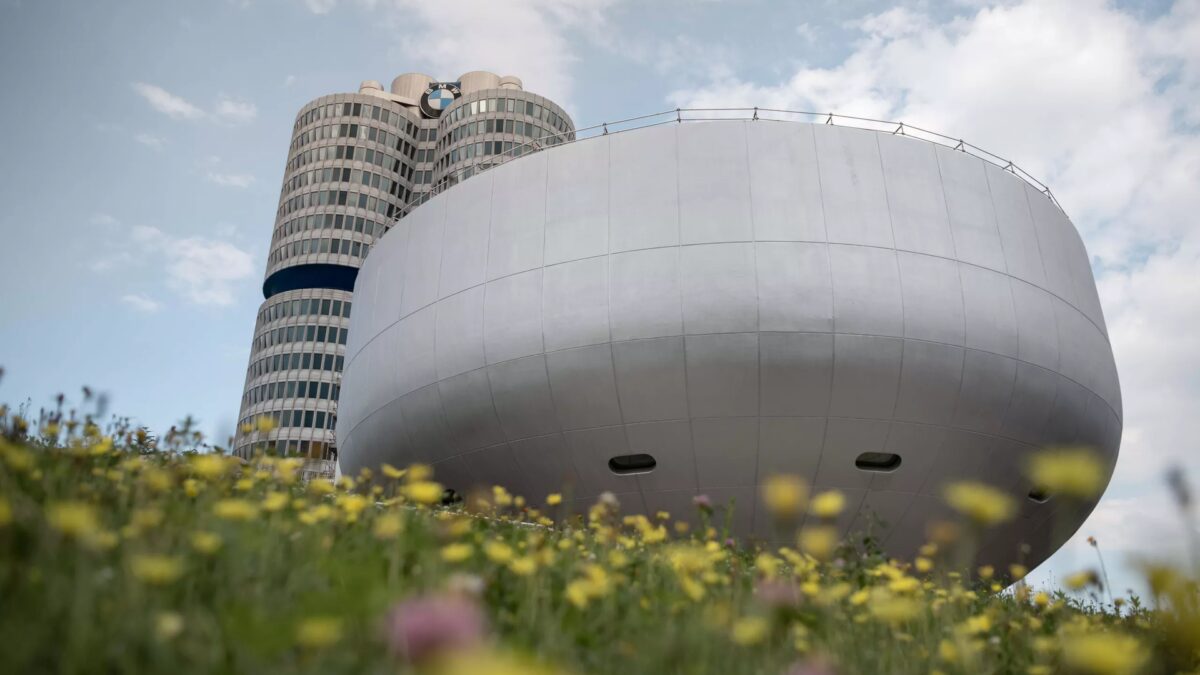
BMW is drawing a clean line under combustion engines at its oldest Munich plant: from 2027, the factory will switch entirely to electric-car production, with serial production of the BMW i3 due to begin in August 2026. It is a tidy signal from a company that has often preferred hedging its bets over dramatic public pivots, and it puts the Neue Klasse architecture at the center of BMW’s next manufacturing chapter.
The Munich site is not starting from zero. BMW says pre-series production of the model began in February, and the plant has already been heavily reworked for EV output. That kind of factory conversion is expensive, but it is also the kind of boring industrial work that decides whether a carmaker can actually scale its electric plans instead of just talking about them.
BMW i3 production starts in August 2026
The Munich plant will build the BMW i3 first, then the i3 Touring. BMW says the i3 will be the second Neue Klasse model after the iX3, which is built in Hungary. In other words, this is not a one-off vanity project for a single showroom hero; it is the opening move in a broader industrial rollout.
For readers trying to translate this into real-world timing, the sequence is simple: pre-series cars in February, serial production in August 2026, and a full move away from internal-combustion engines in 2027. That gives BMW a relatively short runway to iron out the usual launch headaches before the plant’s identity changes for good.
650 million euros spent to retool the plant
BMW says it has invested more than 650 million euros in the Munich factory over the past two years. The company describes the site as more digital, more flexible, and better suited to EV production, and says the changes should cut manufacturing costs by another 10% compared with the current generation of models.
- Plant: BMW’s oldest factory in Munich
- First serial EV: BMW i3 in August 2026
- Full ICE phase-out: 2027
- Platform: Neue Klasse
- Investment: more than 650 million euros
- Expected cost reduction: 10%
A classic plant, a cleaner product mix
BMW’s move lands in a market where rivals are also reshaping factories, but not always at the same pace. Mercedes-Benz and Volkswagen have both been rearranging production around EVs, yet the industry still relies on these transition years to prove whether electric manufacturing can be both scalable and profitable. BMW’s Munich overhaul suggests the company wants fewer mixed signals from its factory network and a faster path to lower unit costs.
The timing also matters because BMW has been pruning older lines at the same time. The company has already said production of the 8 Series will end, which makes the Munich shift look less like an isolated plant story and more like portfolio discipline: out with legacy volume, in with the next platform.
What BMW is betting on next
The open question is whether Neue Klasse can do for BMW what the company clearly hopes it will: simplify production, keep margins from sagging, and give the brand a cleaner electric identity without boring drivers to death. If the Munich plant hits its cost target and scales the i3 smoothly, expect more factories to follow the same script. If not, all those shiny digital upgrades will just be an expensive way to say ”we tried.”