

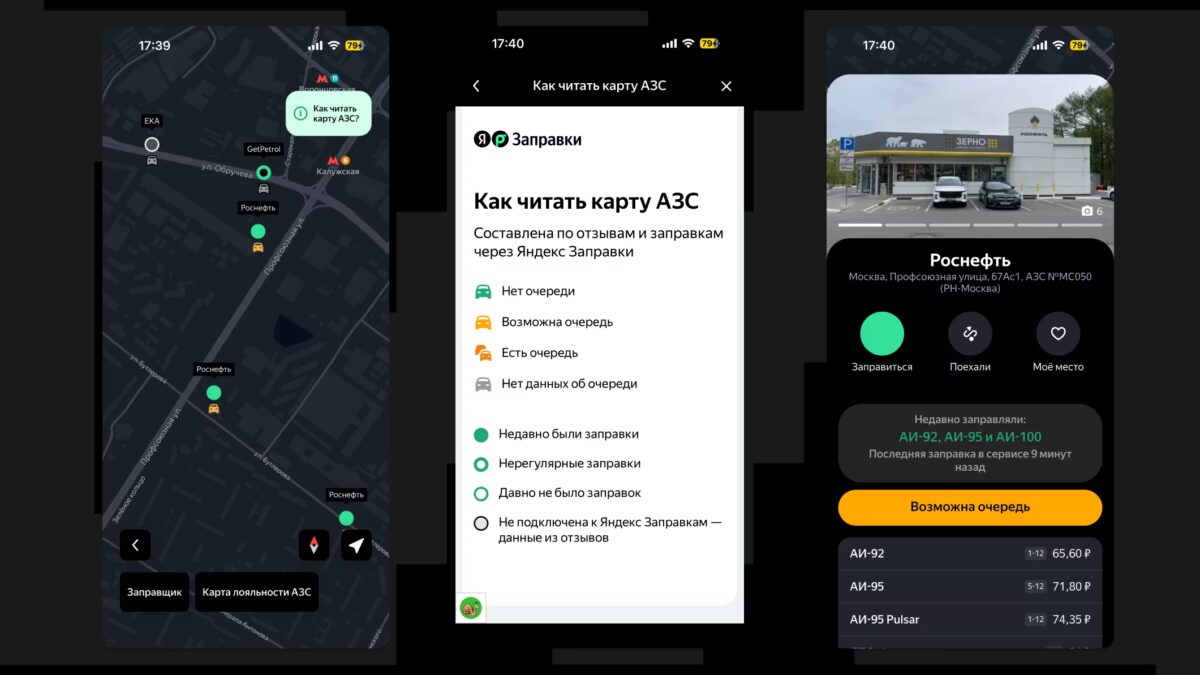
Yandex has unveiled a live map that answers two of the most pressing questions for drivers in Russia: is there fuel available at the station, and how long is the waiting time? Previously tested only with Yandex Pro taxi drivers, this feature is now accessible to everyone via the Yandex Go and Yandex Zapravki apps. Essentially, Yandex is combining multiple data points to help drivers decide whether it’s worth heading to a specific gas station.
The map displays stations where recent refueling activity has been recorded-while this doesn’t guarantee a full tank of petrol or diesel onsite, it signals a higher chance that the fuel you need is available. Users can filter stations by fuel type, and some locations already show live queue status.
Yandex pulls data from multiple sources, using a technology akin to what powers its notorious traffic congestion tool, Yandex Probki. The system aggregates signals from Yandex Maps, payment records via Yandex Zapravki, and real-time user feedback from drivers who either refueled or just passed by. This creates a dynamic picture that combines vehicle movement, purchase confirmation, and live crowd-sourced updates.
Queue tracking is currently limited to Moscow and Saint Petersburg, but Yandex promises to expand coverage to more regions in the coming weeks. Meanwhile, fuel availability status is already accessible for a broader area, though congestion data at pumps is still rolling out to other cities.
This isn’t Yandex’s first foray into fuel station mapping. Earlier in July, a similar map was released to taxi drivers covering over 10,000 stations but excluded those not linked to Yandex Zapravki-such as Lukoil. Now integrated into mass-market apps, it remains to be seen if the feature will gain traction beyond taxi drivers and appeal to regular motorists as well.
How Yandex’s fuel availability map works
Other players in Russia’s fuel tracking space have been offering similar tools. For example, T-Bank provides a map with more than 20,000 gas stations nationwide, showing the last purchase time at each station, along with user-reported fuel availability and queue conditions.
Interest in such apps surged after regional fuel shortages and amid growing attention to crowd-sourced services like GdeBenz, which previously faced criticism from the Ministry of Energy over data reliability. For Yandex, this move stakes a claim in an intuitive niche: helping drivers avoid pointless trips to empty or crowded gas stations.
Yandex Go and Yandex Zapravki apps bring new fuel tracking features
As Russian drivers juggle uncertain fuel supplies and lines that can stretch for hours, these tools could become essential. Yandex’s challenge will be scaling accurate, real-time updates across the country and proving this feature’s value beyond ride-hailing services. If successful, expect more apps to integrate fuel availability data as a basic driver convenience, similar to how live traffic info is standard worldwide.