

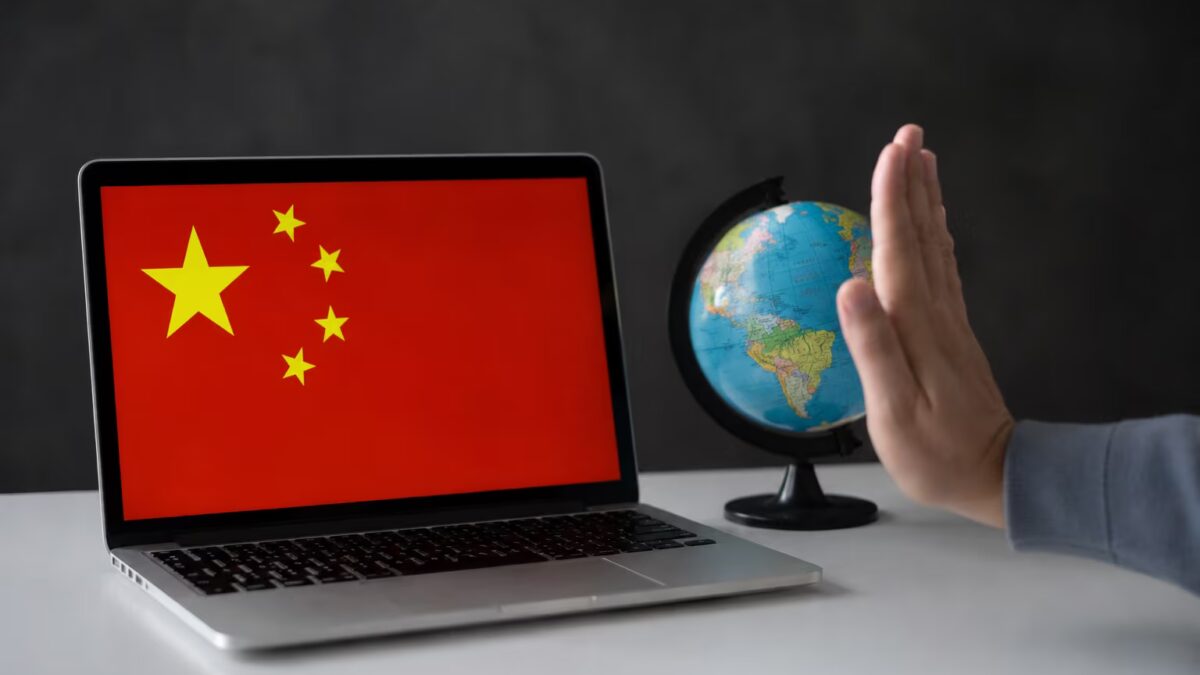
Chinese authorities are considering restricting access to the country’s most powerful AI neural networks, including the well-known DeepSeek and upcoming models not yet released publicly. According to Reuters, these new rules could cut off global users from some of the fastest and cheapest AI services available today.
Over the past month, representatives from China’s Ministry of Commerce have held talks with tech giants like Alibaba, ByteDance, and Z.ai to discuss safeguarding AI technologies. Beijing increasingly views AI on par with strategic sectors like semiconductors and telecom infrastructure, and these discussions have moved beyond abstract ideas toward concrete regulatory measures.
The potential restrictions on the table include:
- Limiting export access to the most advanced AI models
- Stricter penalties for leaks of algorithms and data
- Tightening control over foreign investment in Chinese AI startups
These measures mostly target future AI systems rather than those already available internationally. Still, their implementation threatens to cut foreign clients off from a growing roster of Chinese AI offerings that have rapidly gained traction as both affordable and capable alternatives to Western AI services.
Chinese AI models have become serious contenders globally over the last year. DeepSeek evolved from a local project into a recognizable global name, while Alibaba’s Qwen series has joined the conversation as notable open-source models tailored for enterprise use. This shift offers companies outside China access to AI without the high price tags associated with providers like OpenAI or Anthropic.
China’s plan to restrict AI model exports
China’s move fits into a broader strategy of technological self-defense amid escalating US export controls on hardware such as NVIDIA accelerators. In response to Western sanctions, Beijing is stepping up its own regulations on technologies it deems critical, reminiscent of past controls on rare earth minerals, telecom gear, and cryptography.
Chinese AI companies themselves have an incentive to back stricter protections. The domestic generative AI market has turned fiercely competitive-Alibaba, ByteDance, Baidu, Moonshot AI, and DeepSeek are slashing prices, open-sourcing models, and battling for corporate contracts. When a tech product becomes cheap and widespread, regulators often shift their focus from revenue to preventing the export of core technology.
China pioneered AI regulation among major markets in 2023, introducing new rules that require generative AI services to pass security checks and monitor model outputs. The new proposed restrictions would extend from domestic oversight to controlling who outside China can access the most powerful AI versions, marking a significant tightening of export policies.
This isn’t just a political hurdle for international users-it has economic implications. McKinsey estimates generative AI could add between $2.6 trillion and $4.4 trillion annually to the global economy. Businesses are hunting for cost-effective AI tools, and Chinese models have been attractive for offering competitive pricing without fees comparable to those from OpenAI or Anthropic. Restricting access could reduce pricing pressure on Western suppliers and limit options for corporate buyers worldwide.
The exact scope of these restrictions will become clear once China publishes official regulations. If Beijing locks its best AI models for domestic use only, 2026 might mark the start of a bifurcated global AI landscape-separating Chinese AI development from the rest of the world.