

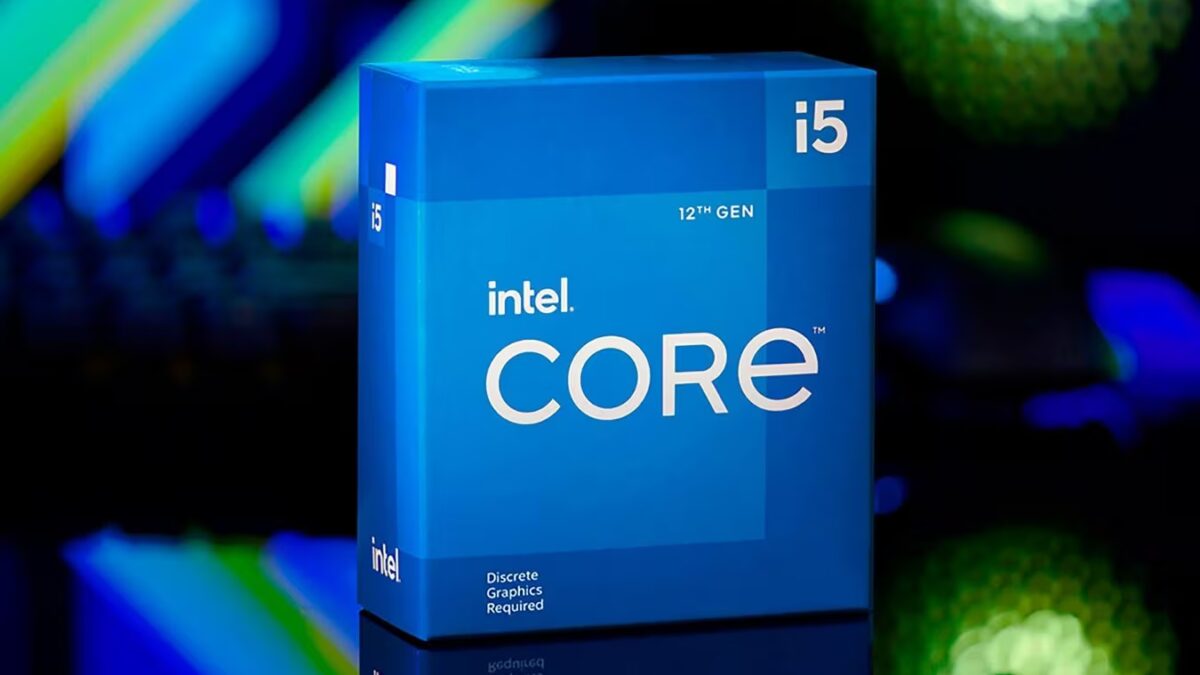
Intel is considering an unusual move: prolonging the production of its 13th and 14th generation Core processors-and possibly earlier models-to power older platforms. This isn’t about running out of CPUs. The real bottleneck is memory. DDR5 prices have surged, pushing up costs of new-gen gaming and home PCs and making them less competitive.
Reports from ITHome citing ChannelGate suggest Intel might boost shipments of CPUs from 10th through 14th generations, mainly targeting mainland China. This strategy helps Intel stay relevant in the budget PC segment, where buyers prioritize total system cost over the latest platform name.
The challenge lies in the overall build. While processors themselves remain reasonably priced, DDR5 RAM and compatible motherboards carry a premium that quickly erodes budget advantages. This is felt especially keenly in gaming rigs, where buyers care more about frame rates per dollar than socket version or chipset generation.
Motherboard manufacturers have already started moving back toward DDR4. Tom’s Hardware previously reported that at least two major vendors plan to increase DDR4 motherboard production in the second half of 2026 and continue this trend into 2027. This is an unusual shift since older memory standards typically fade quickly after a new generation debuts. Instead, DDR4 is getting a surprising second life.
Core 13th and 14th gen on LGA 1700 with DDR4 support
Looking further ahead, Tom’s Hardware indicates that Intel may launch a new ”Raptor Lake Next” lineup for the LGA 1700 socket, compatible with DDR4, possibly releasing in early 2027. This wouldn’t be mere clearance of old stock but a deliberate extension of a platform that has already proven unusually durable for Intel in recent years.
It’s still unclear if these will be entirely new processors or refreshed versions of current 14th-gen chips. Either way, the fact that Intel is even entertaining this idea reveals how economic realities are challenging the company’s typical push toward new sockets and memory standards.
Intel has a solid foundation for this approach. The LGA 1700 socket launched in 2021 with Alder Lake and has supported three desktop CPU generations. This means a large installed base of compatible motherboards, cooling solutions, and existing configurations that can be resold without major ecosystem upheaval.
AMD went through something similar. It kept the AM4 socket active for several years even after AM5 and DDR5 rolled out. The Ryzen 7 5800X3D was a standout example of breathing new life into older systems. However, AMD’s extension felt like a bonus for existing users, whereas Intel might turn platform longevity into a tool for budget PC builds.
This scenario also highlights broader memory market conditions. TrendForce data shows DRAM prices fluctuated sharply in 2024 and 2025 amid production cuts and the pivot of manufacturing capacity toward HBM for AI servers, with consumer demand remaining uneven. If DDR5 pricing stays high into early 2027, DDR4-based platforms will linger on shelves longer than Intel and motherboard makers planned.
For buyers, the takeaway is clear: in 2026 or even 2027, sticking with a legacy Core 13th or 14th gen PC with DDR4 could be more cost-effective than jumping to a new build with pricey DDR5. Whether this is a temporary response to supply and cost pressures or the start of a distinct budget product line will become clearer in the next few quarters, as hardware vendors update their roadmaps for 2027’s motherboard and memory offerings.