

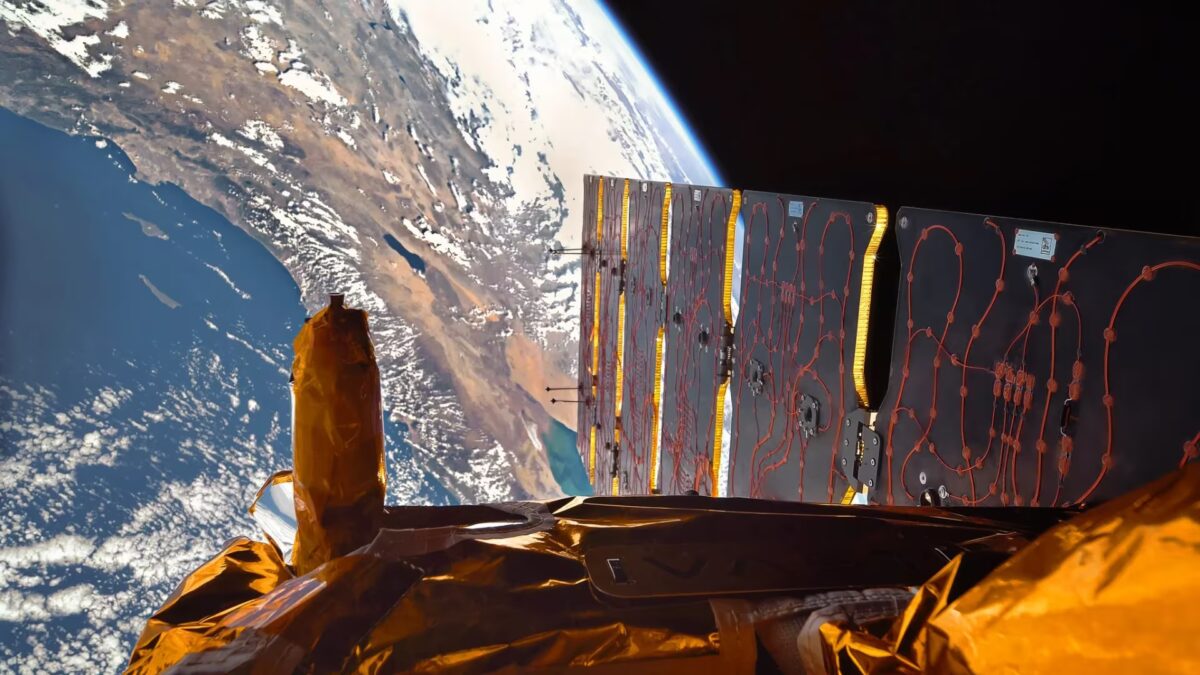
Vast Space is gearing up to launch Haven-1, a single-module orbital station that it claims will be the world’s first commercial space station. Scheduled for liftoff in the first quarter of 2027 aboard a SpaceX Falcon 9 rocket, Haven-1 recently cleared critical milestones, including thermal control system assembly and Hall-effect thruster testing, both essential steps toward launch readiness.
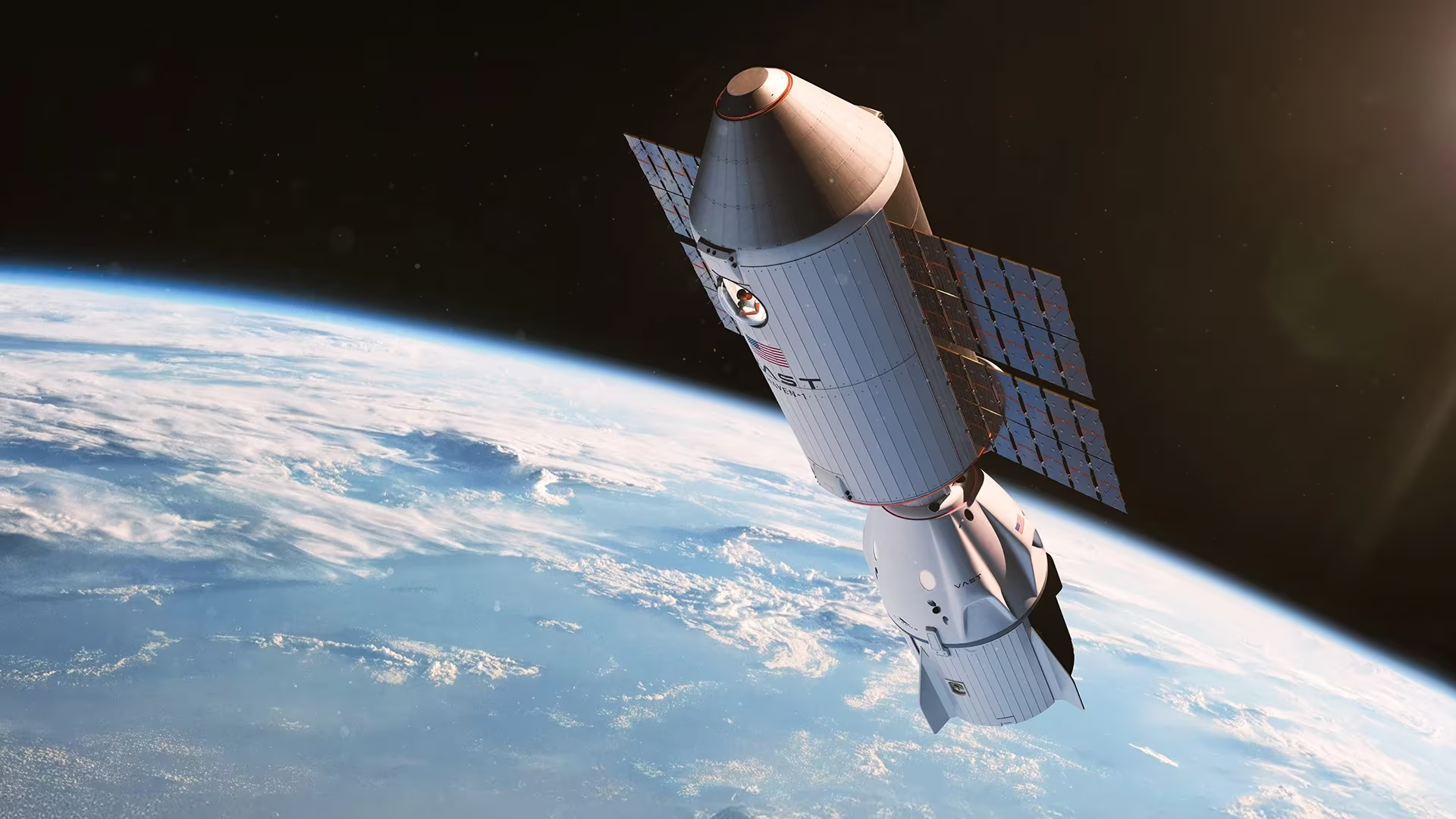
Haven-1 is essentially a ”minimally viable” prototype for Vast Space’s future station designs. Weighing 14,000 kilograms, it offers 45 cubic meters of habitable volume and an 85-cubic-meter pressurized environment. It’s built to host up to four crew members for missions lasting up to two weeks. Noteworthy features include a 1.1-meter-diameter dome window, Starlink internet connectivity, and an onboard Haven Lab for microgravity experiments.
Haven-1 commercial space station technical specifications
- Station mass: 14,000 kg
- Habitable volume: 45 cubic meters
- Pressurized volume: 85 cubic meters
- Crew capacity: up to 4 people
- Mission duration: up to 2 weeks
- Launch date: Q1 2027
In June, Vast Space installed modular thermal control panels onto the flight model, integrating valves, sensors, and other critical components to maintain the station’s temperature within safe limits. Getting thermal regulation right is vital-any failure in this area for a crewed spacecraft can quickly become a costly hazard.
Another major step was testing a 10-kilowatt Hall-effect thruster in a vacuum chamber. The engine delivered a specific impulse exceeding 3,000 seconds, promising efficient propulsion. Vast Space plans to use this electric thruster not only on Haven-1 but also for future stations and satellites. The thruster’s technology is based on NASA’s JPL-developed H10 engine.
Haven-1’s orientation and attitude control employs a mix of propulsion systems to optimize fuel use. Aside from the electric thruster, it includes the Saiph chemical engine (developed by Impulse Space) and six internal reaction wheels for precise maneuvering. This hybrid approach balances fine orbital adjustments against reaction control system fuel consumption.
Once in orbit, Haven-1’s initial crew will arrive via SpaceX’s Crew Dragon spacecraft during the Vast-1 mission. Besides ferrying astronauts to and from the station, the docked Dragon will serve as a life support module, supplying critical systems such as an additional carbon dioxide removal setup. Earlier this year, Vast Space completed Haven Demo, a mission that tested a safe deorbit procedure-an important validation step before briefing human spaceflight.
The private space station race has been underway for years, full of grand promises but few proven solutions. NASA aims to replace the International Space Station (ISS) with commercially operated platforms when its lease ends-currently expected around 2030. Beyond Vast Space, competitors include Axiom Space with its ISS modules, Starlab from Voyager Space and Airbus, and Blue Origin’s joint project Orbital Reef with Sierra Space. If Vast Space sticks to its timeline, Haven-1 could claim the title of the first operational commercial space station, a potentially lucrative foothold in orbital real estate.
With private companies racing to establish their own orbital hubs, the next few years will reveal which designs and business models can survive space’s harsh environment and the steep costs of human missions. Vast Space’s upcoming launch and Haven-1’s early operations will be key indicators of commercial space stations’ viability in the post-ISS era.