

In 20 to 40 minutes, AI-powered essay writing services can whip up a full outline, draft an introduction, develop key sections, and even suggest a bibliography. But don’t get carried away – these tools have clear limits. They still invent fake sources, churn out texts with only 65-85% uniqueness without edits, and don’t handle formal citation styles like Russia’s strict GOST standard.
We’ve compiled eight of the most popular AI essay-writing platforms used in 2026, breaking down how to best leverage them. The optimal workflow hasn’t changed: let AI sketch the draft and structure, but leave the facts, thorough checking, and final edits to the student.
Step-by-step approach to generating an essay with AI
The biggest rookie mistake: telling the AI simply ”write an essay on X.” That sounds like a time-saver, but it actually surrenders control over the structure. The model often responds with a continuous block of text that takes longer to fix than building the essay in parts. AI tools perform better when you use an editing mode rather than full autopilot.
Your first prompt should focus solely on creating a detailed outline: number of sections, a summary for each chapter, approximate length, and target reading level (like high school senior vs university undergraduate). This helps confirm the AI understands the topic and keeps on track.

Next, generate the essay piece by piece: introduction, each main section, conclusion. This segmented approach is common in language model reviews and tutoring centers because narrower prompts with a clearer context produce higher-quality text. Even though large models support long context windows, writing extensive text in one go still reduces accuracy.
- First, request a detailed outline with section lengths.
- Agree on section titles and phrasing before generating text.
- Write introduction, sections, and conclusions in separate prompts.
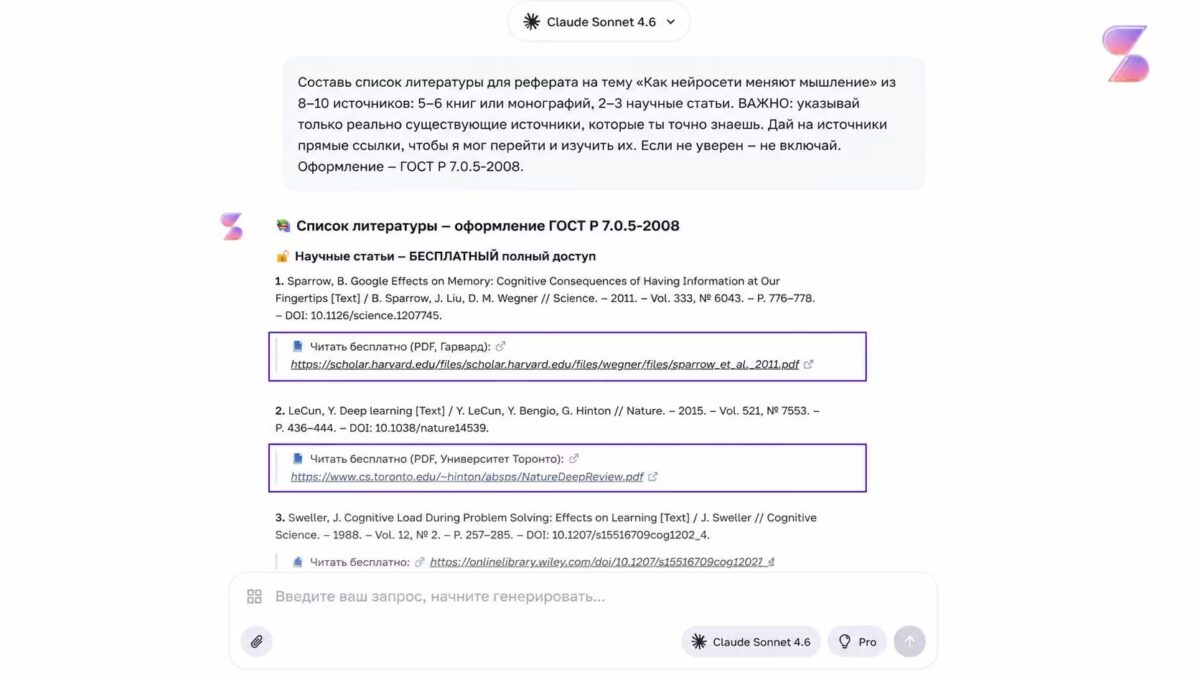
- Verify each bibliography source yourself.
- Rewrite at least 20-30% of the text before submission.
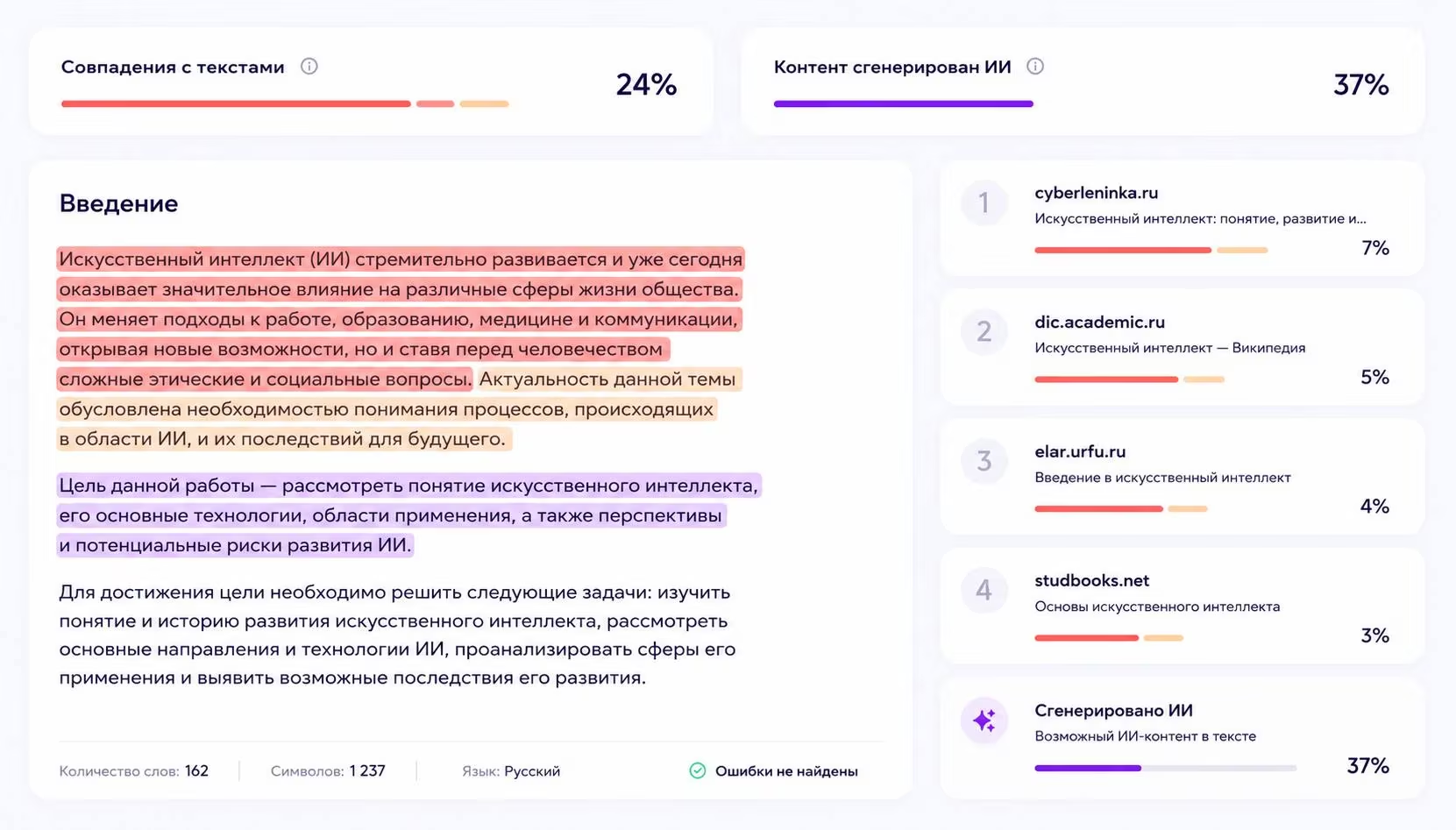
That 20-30% manual rewriting is critical, not just cosmetic. AI text detectors like Turnitin and GPTZero pick up on predictable transitions, repetitive syntax, and overly uniform logic. After thorough editing, text uniqueness usually hits 85-95%, which universities generally require.
AI services often gloss over one thorny issue: the bibliography. Even the strongest models confidently name books and articles that don’t exist in library catalogs or academic databases. Checking sources on Google Scholar, eLIBRARY, or major library systems remains mandatory; otherwise, the spotless essay falls apart on the last page.
The prompt formula for 2026 is familiar: less abstraction yields better results. Models handle prompts better when you specify genre, length, reading level, paragraph structure, and style constraints. Asking for ”no clichés” works better than ”write beautifully.”
- For outlines: specify the topic, length, section count, and author level.
- For introductions: mention relevance, purpose, objectives, subject, and scope.
- For body sections: provide a thesis, argumentation, conclusion, and length.
- For bibliography: require only real, verifiable sources.
- For editing: rewrite in academic style avoiding informal expressions.
Comparison of AI essay writing services in 2026
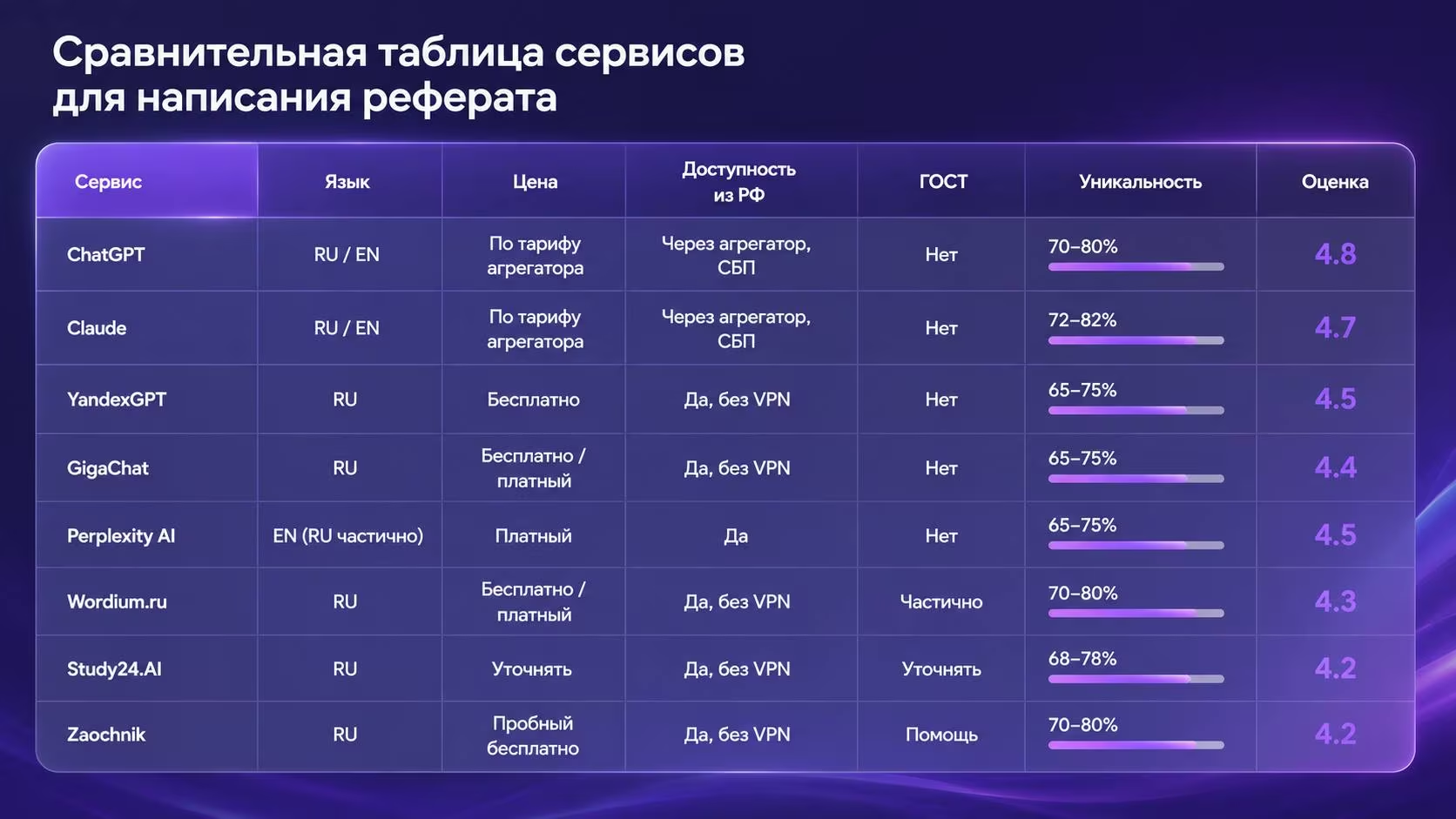
There’s no single winner in AI essay writing. Some models excel at long academic chapters; others cater better to school assignments. A few act more like research assistants pulling source material. For Russian users, factors like VPN-free access and payment options via local cards or instant bank transfers (SBP) often shape preferences as much as text quality.
ChatGPT remains the go-to for most topics. It maintains academic tone well in Russian, supports iterative chapter-by-chapter editing, and suits both humanities and applied fields. But it doesn’t automate GOST citation formatting, and bibliography verification falls to the user.
Claude shines in crafting coherent theoretical texts exceeding 10-15 pages. It builds tighter arguments, keeps track over long stretches, and avoids repetitive loops. The catch: premium plans or aggregator platforms are usually required.
YandexGPT is the easiest option for school students and humanities undergraduates, tailored to the Russian academic context. It’s accessible without VPN and handles outlines and short explanatory sections well, though its academic rigor trails ChatGPT and Claude. Export to DOCX is missing.
GigaChat adds value when you need both text and supporting visuals like charts or diagrams. Its essay drafts are work-in-progress rather than polished submissions, but the all-in-one window suits school and college-level projects on the first pass.
Perplexity AI is less a writing tool and more a rapid research assistant. It produces quick topic overviews and pulls in references, but you still need to fact-check thoroughly. Independent tests highlight that such search-driven AI systems often present partially incorrect data, so never trust its source lists without manual verification.
Wordium.ru is a niche platform focused specifically on academic essays, term papers, and coursework templates. It leans heavily on predefined formats rather than free-form essays, saving time on common topics but offering fewer benefits in specialized disciplines.
Zaochnik edges closer to traditional educational formatting and logic. It supports partial automated styling according to Russian academic standards, though full GOST compliance is still absent. For students, it’s more convenient than building documents from scratch.
SpeShu.AI isn’t an essay author itself but an aggregator that grants access to multiple AI models from one interface. This setup lets users compare outputs without juggling multiple subscriptions-handy when one service nails the outline, another tackles theory, and a third specializes in editing or paraphrasing.
- ChatGPT: best all-round essay tool
- Claude: excels at lengthy theoretical chapters
- YandexGPT: easiest access without VPN
- GigaChat: combines text with illustrations
- Perplexity AI: quick research, not final author
- Wordium.ru: specialized for academic essays
- Zaochnik: closer to academic formatting templates
- SpeShu.AI: aggregator for multiple AI models
If you want a quick top-three pick: ChatGPT for general use, Claude for complex theoretical sections, and YandexGPT for Russian-language users looking for simplicity. Experience suggests combining two services yields better results-draft plans and structures in ChatGPT, then polish long chapters in Claude or a dedicated academic platform.
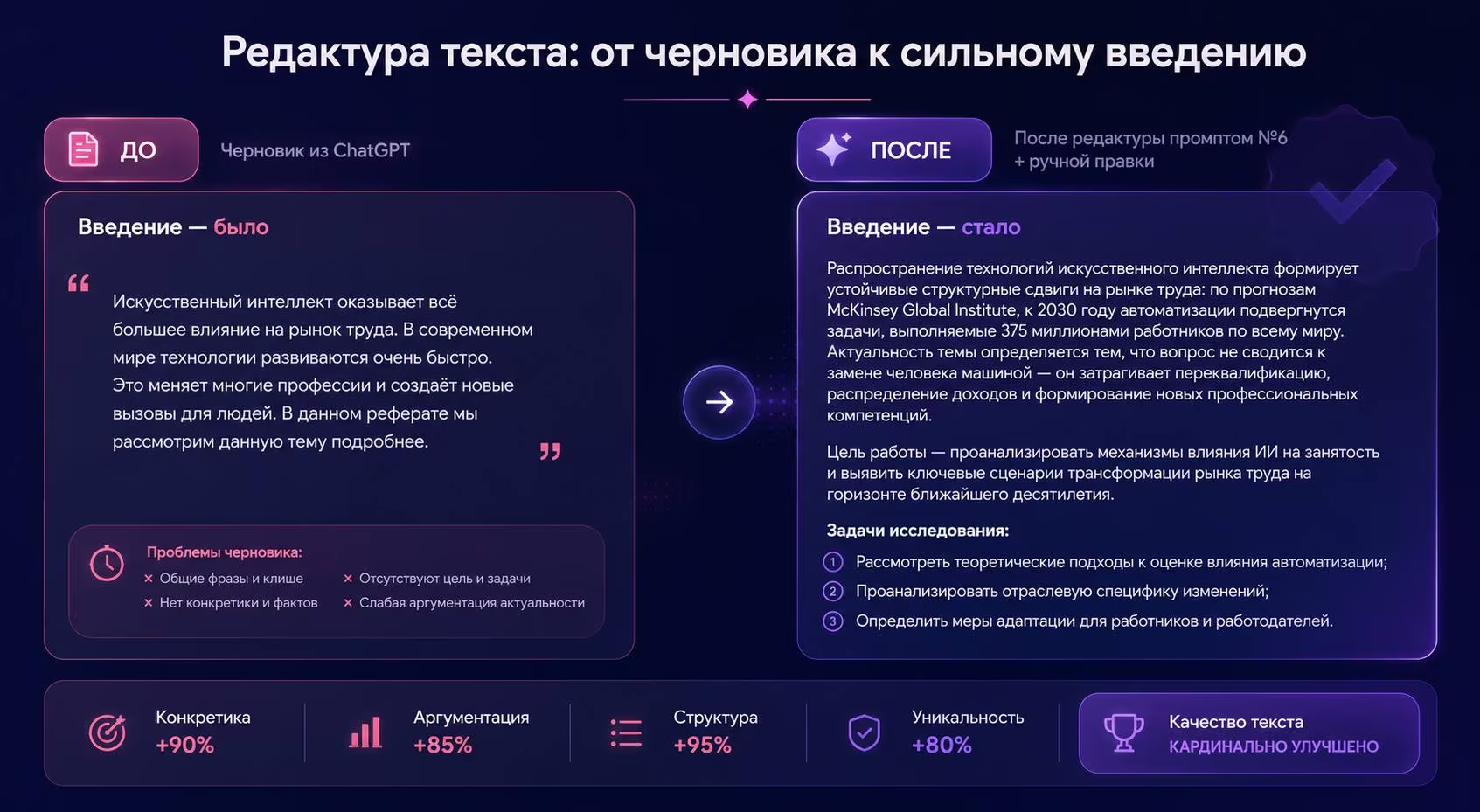
Take the example of an essay on AI’s impact on the labor market: the difference between raw AI output and refined text is obvious. A solid introduction starts with a concrete fact, states the goal clearly without fluff, and lists tasks straightforwardly. These three elements are what professors check first-and AI often loses focus here without explicit guidance.
Before submission, four checklists remain:
- Are the bibliography sources real?
- Does the text avoid sounding too bland or formulaic?
- Does the work meet your university’s uniqueness standards?
- Are citations, indents, fonts, and references formatted per GOST R 7.0.5-2008 or local department rules?
The educational AI service landscape in 2026 is moving toward specialization. Broad-based models lead in language quality, while local and niche platforms add essay templates, partial formatting, and familiar payment options within domestic jurisdictions. AI can speed up drafting essays but won’t take responsibility for facts, citations, or the final polished look.