

Japanese industrial giants and automakers are pushing hydrogen internal combustion engines (ICE) back into the spotlight as a more affordable alternative to hydrogen fuel cells. Kawasaki Heavy Industries recently unveiled a compact hydrogen-powered ICE generator, which it claims could replace medium-sized batteries in certain applications. This move reflects a broader strategy in Japan to preserve its existing ICE industry while integrating it into the country’s evolving hydrogen economy.
Kawasaki’s new O’Cuvoid generator, reported by Nikkei, occupies less than 1 square meter, delivers up to 35 kW, and supports modular configurations by combining multiple units. The company highlights use cases where this setup is more practical than large batteries, such as backup power, mobile energy modules, and heavy machinery that benefit from quick refueling.

The generator’s design is based on a modified motorcycle engine equipped with a mechanical supercharger. Kawasaki also plans to deploy similar hydrogen combustion engines in its Corleo walking robot project, aiming for a market release around 2035. While niche, this illustrates how hydrogen ICEs offer industries a way to maintain existing supply chains and infrastructure without a complete overhaul-especially in applications where battery weight and recharge times remain problematic.
- Power output per module: up to 35 kW
- Footprint of installation: less than 1 m²
- Fuel: hydrogen; can run on simpler mixtures
- Scalability: multiple modules can be linked in one system
Hydrogen internal combustion engines gaining ground in Japan
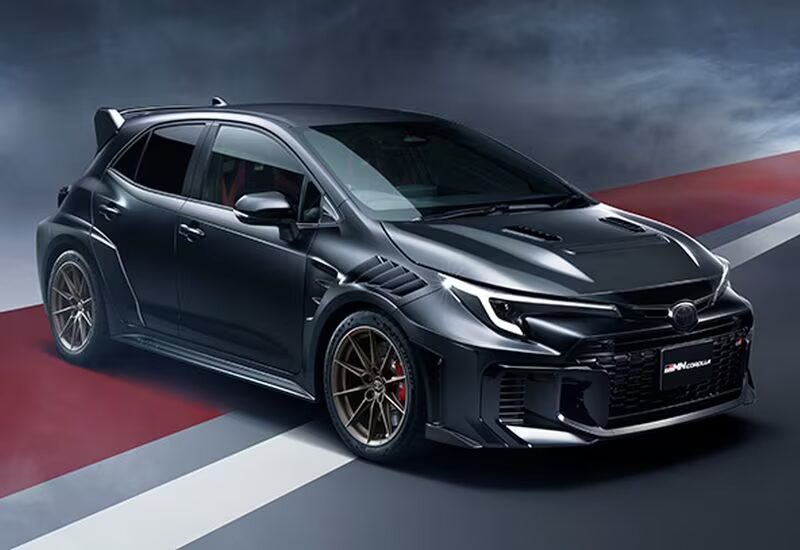
Japan’s pivot to hydrogen ICEs is notable because the country has long championed hydrogen fuel cells. Automakers like Toyota and Honda have heavily invested in fuel cell vehicles (FCVs)-Toyota with the Mirai sedan, Honda with proprietary hydrogen platforms-and the government backed an expanding hydrogen refueling network. Even Toyota is now testing hydrogen combustion race car prototypes, and Mitsubishi Fuso is developing similar engines for commercial trucks.
The economic case is clear. Hydrogen ICE technology leverages familiar metals, components, and well-established manufacturing and servicing infrastructure. According to Nikkei, a hydrogen ICE drivetrain can cost up to ten times less than a comparable fuel cell system. This cost advantage is especially compelling for heavy industrial vehicles and equipment, where quick refueling and lower upfront expenses trump peak efficiency and emissions precision required by passenger cars.
However, hydrogen ICEs have their drawbacks. Fuel cells convert hydrogen to electricity at about 60% efficiency, while hydrogen ICEs operate at closer to 40% efficiency. Their combustion process also produces nitrogen oxides (NOx), pollutants absent in fuel cell or battery electric vehicles. Moreover, hydrogen-a costly and complex fuel-still demands significant improvements in storage, transport, and green production methods via renewable-powered electrolysis.
Japan’s hydrogen refueling infrastructure has also experienced setbacks. The number of public hydrogen stations dropped from 179 to 150 by 2022. While this decline casts doubt on FCVs’ mass market potential, it may not hinder hydrogen ICE adoption for generators, trucks, locomotives, and specialized machinery, where refueling networks can be centralized within industrial or commercial hubs rather than consumer gas stations.
The country aims to ramp up hydrogen supply to 20 million tons annually by 2050-ten times current volumes-and slash fuel costs by a factor of five. If Japan meets even parts of these targets, hydrogen ICEs could open up economically viable niches where batteries are too heavy and fuel cells too expensive. Future Market Insights projects the global hydrogen ICE market to exceed $20 billion by 2036, attracting interest from Japanese heavyweights and international players like India’s Tata Motors.
This renewed interest creates a fascinating tension in the hydrogen sector. While fuel cells remain the poster child for clean hydrogen technology worldwide, Japan’s hydrogen combustion engines illustrate an alternative path prioritizing cost and continuity over high efficiency. Watching whether this pragmatic approach gains traction internationally may reveal how hydrogen’s future diversifies across different regions and industries.