

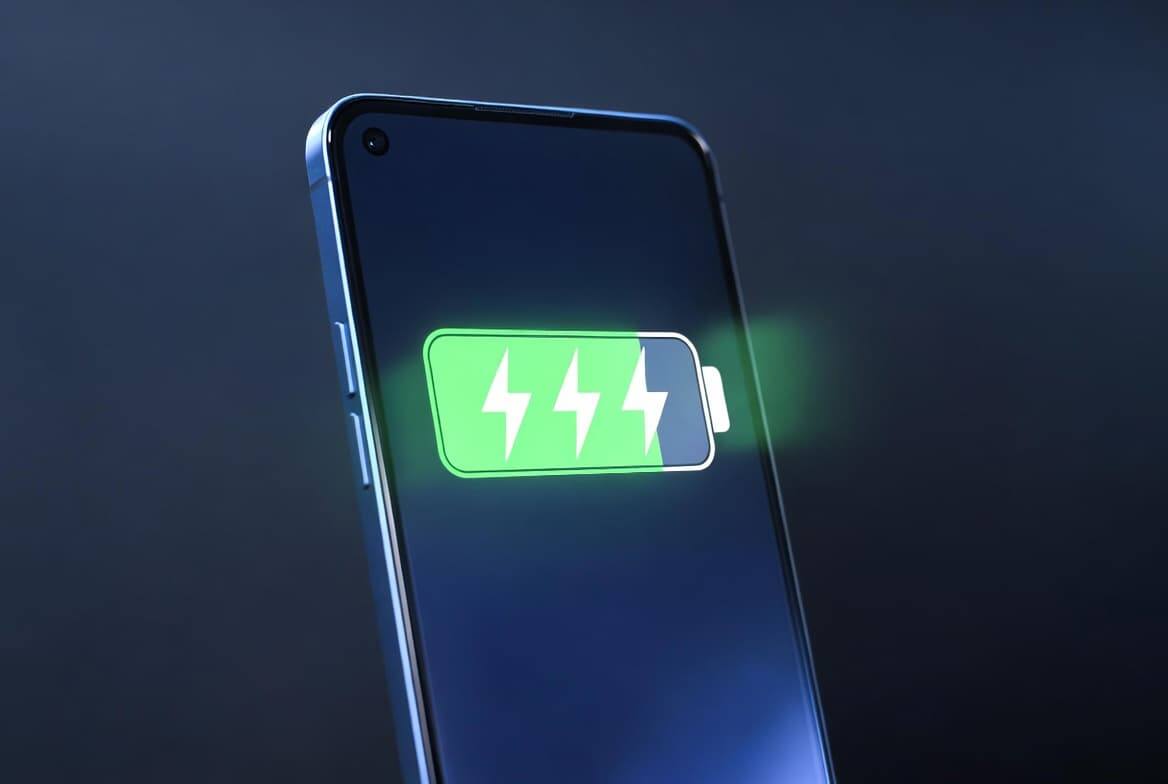
A smartphone with a 14,000 mAh battery is reportedly moving out of the concept phase and into NPI, the stage where a device starts turning into a real product rather than a lab fantasy. That alone says plenty about where handset makers are heading: bigger batteries are no longer a side quest, they are becoming the main event.
The claim comes from Digital Chat Station, who says the device has entered New Product Introduction, a step that typically sits between final design work and full-scale manufacturing. No manufacturer has been named, which is very on-brand for this kind of leak, but the battery size is hard to ignore: 14,000 mAh is nearly three times what many flagship phones carry, and well above the roughly 4,000 mAh to 5,000 mAh cells common in current iPhones and Android phones.
How 14,000 mAh compares with today’s phones
For readers trying to picture the scale, that capacity sits in a different league from mainstream premium phones. It also nudges smartphones closer to small power banks with a display, which may be exactly what a chunk of buyers want: fewer charging cycles, less battery anxiety, and a device that survives a long day without bargaining for a wall socket.
- Reported battery capacity: 14,000 mAh
- Honor X80 Pro Max battery: 11,000 mAh
- Typical flagship phones: about 4,000 mAh to 5,000 mAh
- Current iPhones and Android phones: about 4,000 mAh to 5,000 mAh
The race is now about battery endurance, not just speed
This is part of a broader shift in mobile hardware. While chip makers keep promising efficiency gains, phone brands are increasingly leaning on battery size to deliver the one spec normal people can feel immediately. The catch is obvious: thicker devices, more weight, and a design trade-off that makes ultra-slim phones look a little more like vanity projects than practical tools.
Honor has already shown where this can go, using an 11,000 mAh battery in the Honor X80 Pro Max and backing it with a two-year replacement guarantee if the cell fails. If the 14,000 mAh phone is real, the next question is not whether it will last longer. It will. The real question is whether the industry can package that kind of stamina without turning every handset into a brick with ambitions.