

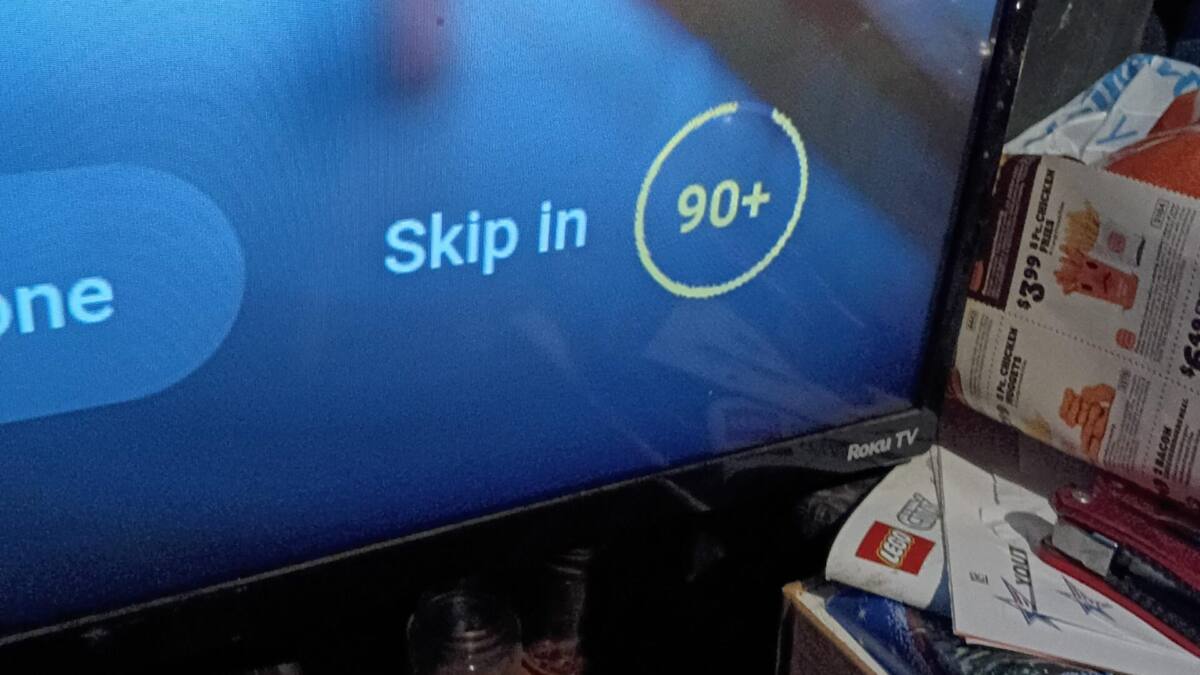
YouTube is testing a much harsher ad break on connected TVs: some viewers are seeing non-skippable commercial blocks that last up to 90 seconds, and in some cases longer. The pilot appears to be limited to the Smart TV app in the United States, where Google seems to be nudging free viewers toward paid plans by making the ad-supported version feel a lot more like old-school television.
The timing is telling. The test arrives alongside a redesigned YouTube Premium Lite plan, which makes the free tier less pleasant right as YouTube is trying to sell a softer landing. That’s a familiar subscription playbook: sharpen the pain on the free side, then hand people a cleaner paid option and hope they reach for the credit card before they reach for the remote.
90-second ads are showing up on Smart TVs
Reports from users on Reddit suggest the new format is specifically hitting television-based devices. The ad blocks are locked from the start, so viewers have to sit through at least a minute and a half before the video continues, and some people say the total break can run past 90 seconds. Handy if you enjoy being trapped in a commercial break the size of a small sitcom.
Just as interesting, the ad load does not seem to depend on video length. Users have reported the same oversized breaks on clips under 20 minutes and on longer documentaries, which suggests YouTube is testing a device-based ad policy rather than one tuned to content length. That makes sense for connected TVs, where viewers are usually lean-back, less clicky, and more tolerant of traditional ad mechanics than someone tapping through Shorts on a phone.
Why Google would push harder on TV screens
Google has not said whether this test will expand beyond the US or beyond TV apps, but the direction is easy to read. Streaming platforms have been tightening ad loads across the board, and YouTube has already experimented with non-skippable 30-second spots, so this looks more like escalation than a one-off stunt. For advertisers, the appeal is obvious: guaranteed impressions on the biggest screen in the house.
For viewers, the message is less charming. YouTube’s long-standing bargain was simple: tolerate a few ads and retain control over the video. The new test pushes the platform closer to mandatory commercial intervals, and that makes Premium Lite look less like a nice extra and more like the escape hatch it was designed to be.
What changes for viewers on phones and browsers
- Connected TVs are the only devices affected so far.
- Mobile apps and desktop browsers are not part of this test.
- The format being tested is non-skippable and can last up to 90 seconds.
- The test is currently being observed in the United States.
If the experiment performs the way YouTube wants, expect the company to lean even harder into TV-first advertising. The awkward question is whether users accept this as the price of ”free” viewing, or whether the platform crosses the line from mildly annoying to actively punitive. The answer will decide whether 90 seconds is a test or the new normal.