

This week, Yandex rolled out a major AI-powered upgrade to its Search engine, SanDisk launched a $2,000 2TB SD card aimed at professionals, and the US military field-tested a quantum sensor capable of detecting human heartbeats from miles away. In our latest podcast episode with ForGeeks, we break down these stories plus ChatGPT’s new Pro subscription tier, the sudden App Store removal of a Telegram client, and Russia’s first private rocket project approved by Roscosmos.
Yandex launches AI chat mode and faster Search answers
Russian tech giant Yandex introduced a conversational mode in its Search engine powered by Alice AI LLM, a proprietary large language model. Users can now ask follow-up questions, upload files and images, and maintain dialogue history. For quick queries, Yandex switched to a lightweight Alice AI Search model, boosting instant answers by 1.5 times compared to previous versions. In blind tests, 67% of responses were rated better than before.
Behind the scenes, Yandex implemented an AI ”blender” system that selects the best combination from over 40 content blocks in just 50 milliseconds. Instead of merely showing popular results, it tailors content based on query intent – for example, prioritizing tickets, hotels, and slope photos for ski resort searches.

Gemini AI adds interactive 3D models and simulations
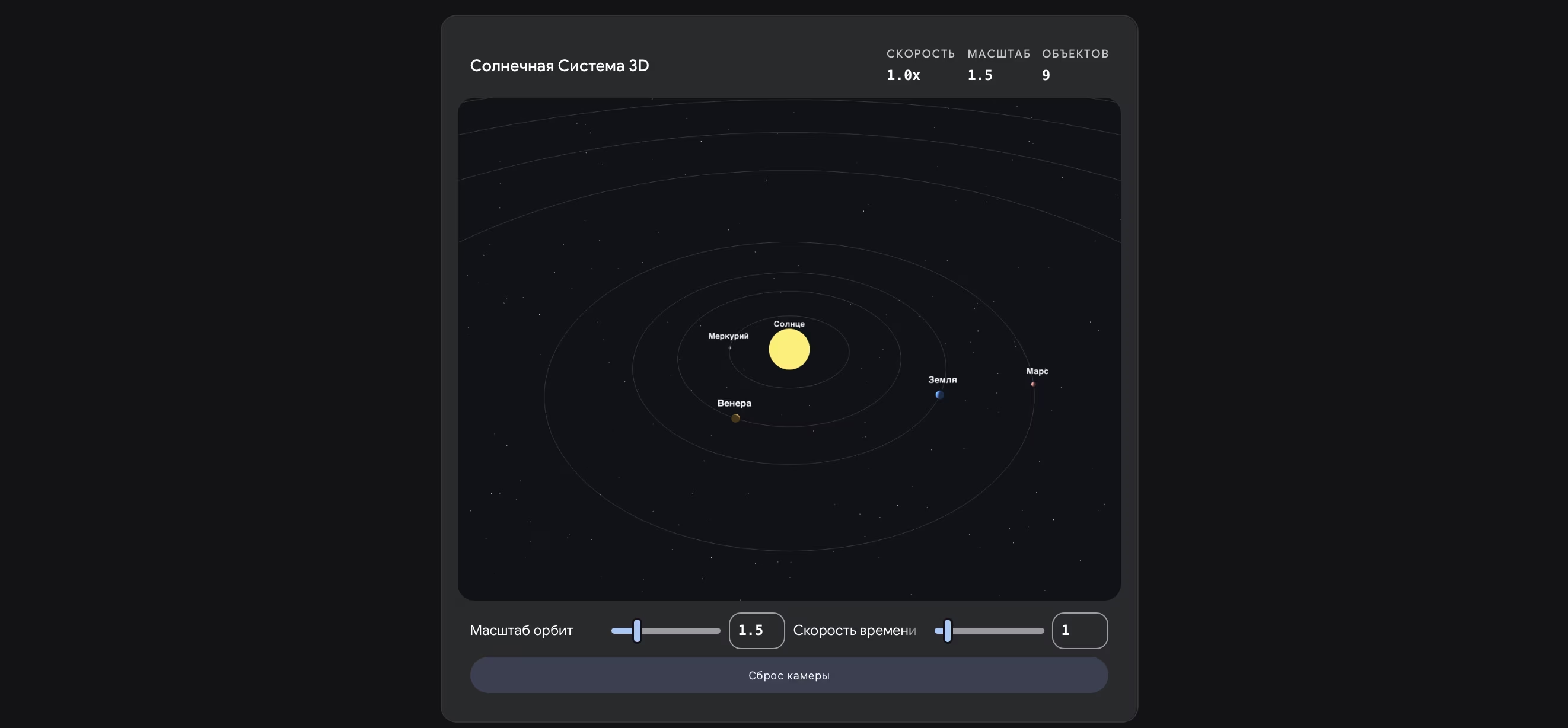
Google’s Gemini AI now supports interactive 3D models and live simulations. Using ”Pro” mode, users can prompt ”Show me the visualization” to receive objects like a double pendulum or the Moon’s orbit around Earth, which can be rotated and adjusted in real time.
This follows a trend among AI competitors – Anthropic’s Claude and OpenAI’s ChatGPT have also integrated interactive diagrams and visual tools to simplify complex science and math concepts. This shift represents a move from merely confident answers to clearer explanations. Gemini’s 3D visualization feature is available to all Pro subscribers.
Apple removes alternative Telegram client Telega from App Store
Apple removed Telega, an unofficial Telegram client, from the App Store and blocked it from search visibility following concerns about suspicious traffic patterns. The developer attributes the issues to misunderstandings and backlash over ”waiting lists,” but the removal coincides with security concerns linked to the app’s network infrastructure.
Cloudflare labeled Telega’s domains as spyware-related and revoked its TLS certificate. Researchers have previously flagged the Android version as risky, noting it reroutes Telegram traffic through Russian proxies, raising privacy and security concerns. The app remains available on Google Play and RuStore for now.

OpenAI launches ChatGPT Pro subscription at $100 monthly
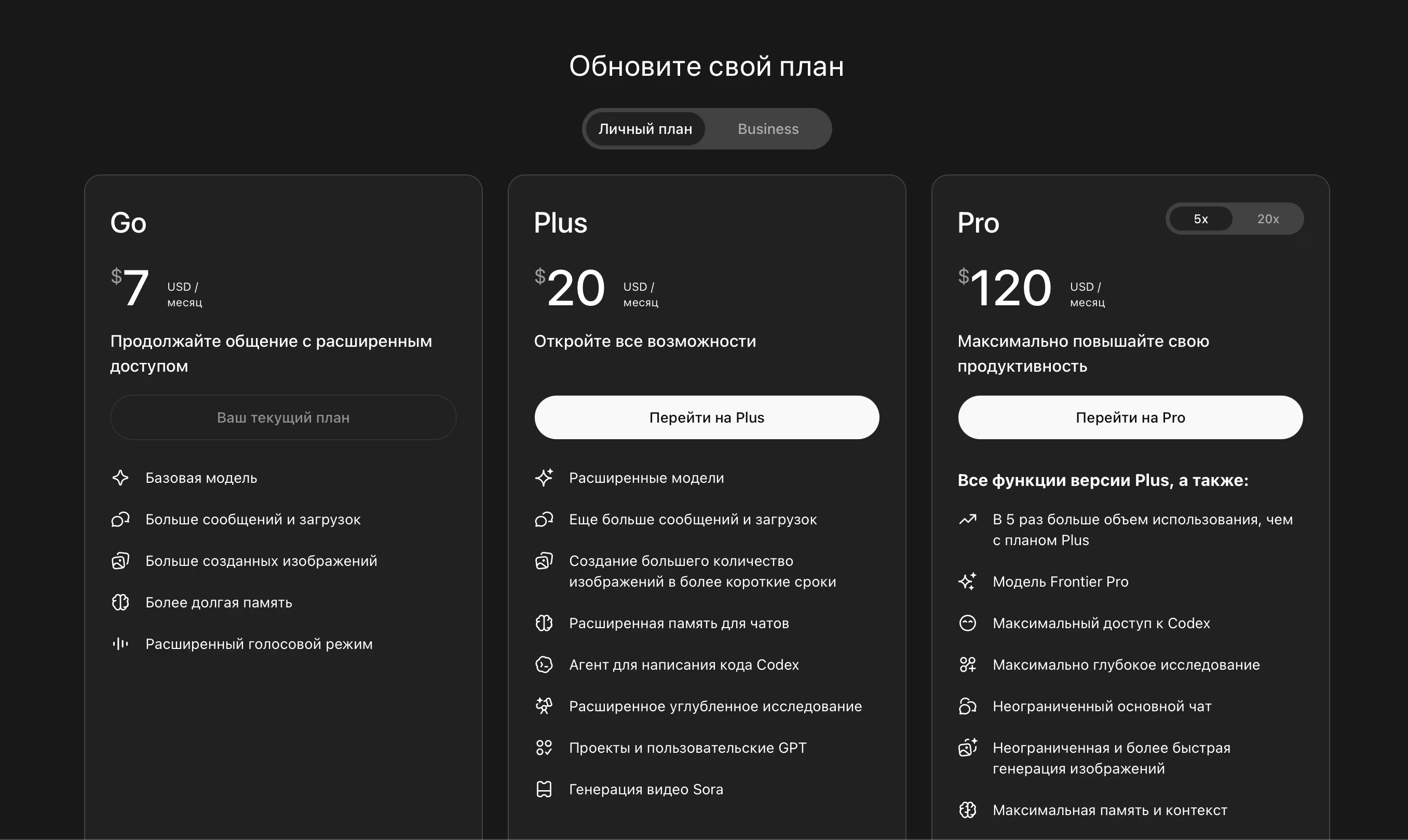
OpenAI introduced a new mid-tier ChatGPT Pro subscription priced at $100 per month, positioned between the $20 Plus plan and the $200 premium plan. It targets heavy users pushing Codex limits and offers roughly 5 times greater Codex usage than Plus, occasionally reaching 10 times, along with access to more advanced models and enhanced research and agent capabilities.
Codex, OpenAI’s code-generation engine, has over 3 million weekly users – a 5x increase in just three months with a 70% monthly growth rate. ChatGPT is increasingly fragmented into subscription tiers, each providing access to different levels of functionality and power.
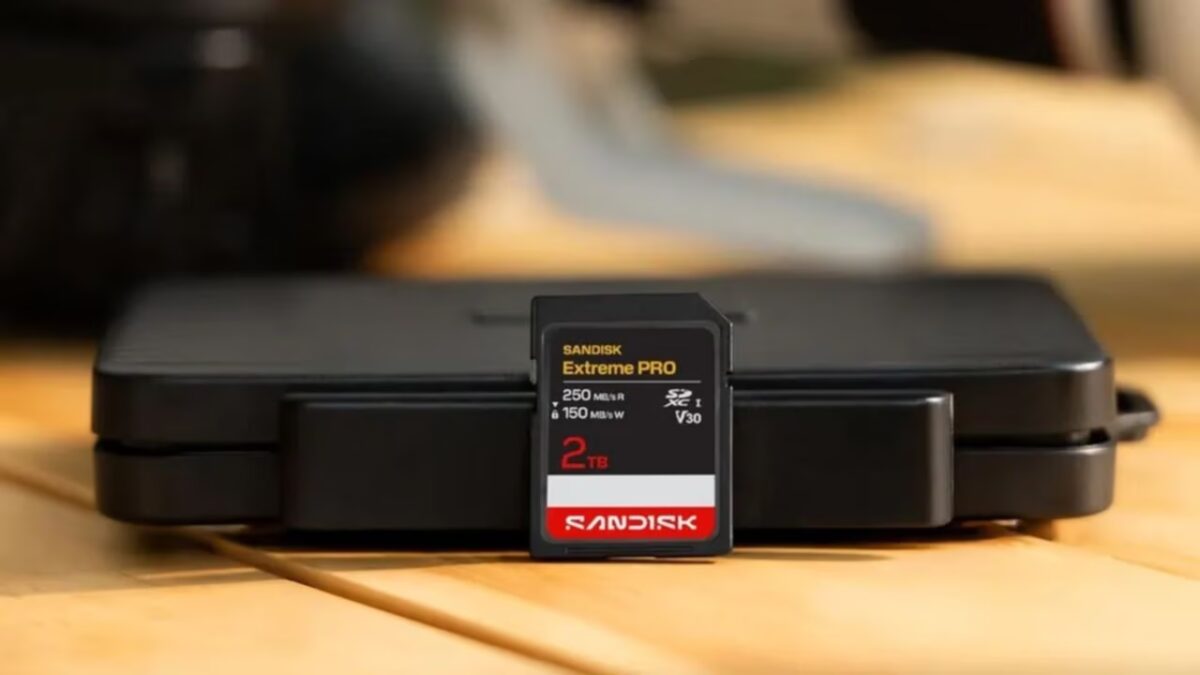
SanDisk debuts $2,000 2TB SD card targeting professionals
SanDisk’s new Extreme Pro UHS-II SD card offers 2TB of storage with read speeds up to 310MB/s and write speeds up to 305MB/s. Priced at nearly $2,000, this card is designed for professionals who require uninterrupted 8K video recording and high-speed burst shooting.
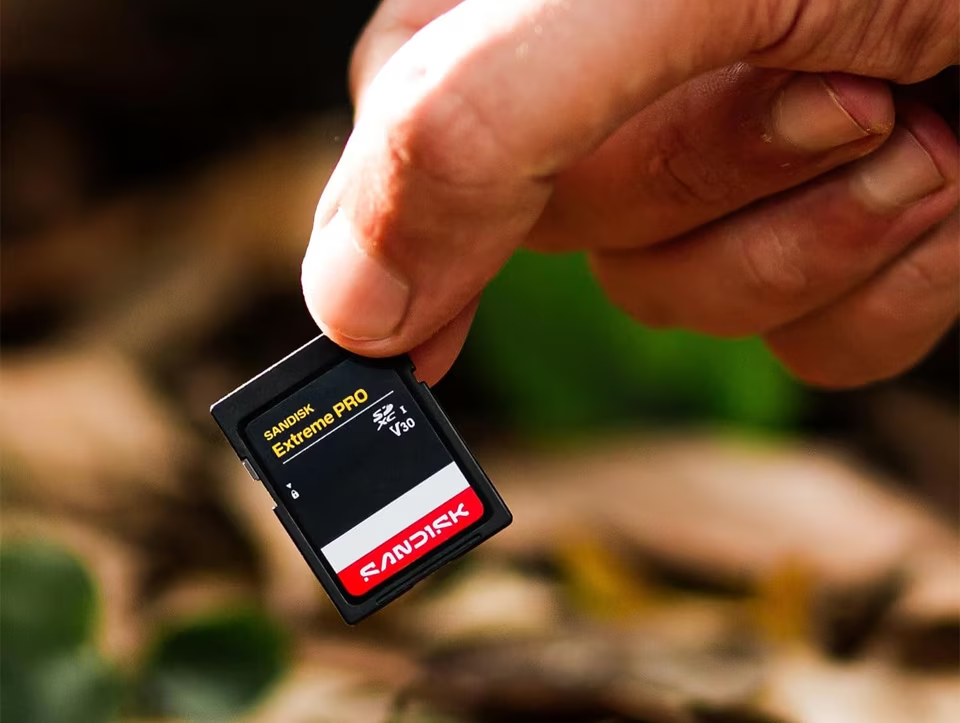
The card is rated IP68, meaning it is resistant to water, dust, and drops from heights up to 6 meters. At roughly $1 per gigabyte, it costs four times more than slower UHS-I cards of the same capacity. SanDisk acknowledges this product targets a niche market needing massive capacity, high speed, and durability in a portable format.
US tests quantum sensor for long-distance heartbeat detection
Skunk Works, the secretive division of the US Air Force, recently deployed a breakthrough quantum sensor capable of detecting human heartbeats remotely-up to 64 kilometers (40 miles) away-using quantum magnetometry. This technology helped locate and confirm the survival of a pilot shot down over Iran, working alongside standard radio beacons to narrow search areas and provide real-time status verification.

The sensor uses synthetic diamond NV centers to detect ultra-weak electromagnetic signals from a beating myocardium. AI algorithms filter out natural noise to isolate the heart’s unique biomagnetic signature. The system operates best at night and away from urban electromagnetic interference, offering a powerful new tool for search-and-rescue operations and surveillance.
Dyson introduces pocket-sized bladeless fan for $99
Dyson’s new HushJet Mini Cool is a compact bladeless fan about the size and weight of a smartphone, priced at $99. It features a brushless motor spinning at 65,000 RPM, pushing air at up to 25 m/s to deliver a quiet, focused breeze in a premium compact design intended to replace inexpensive portable fans.
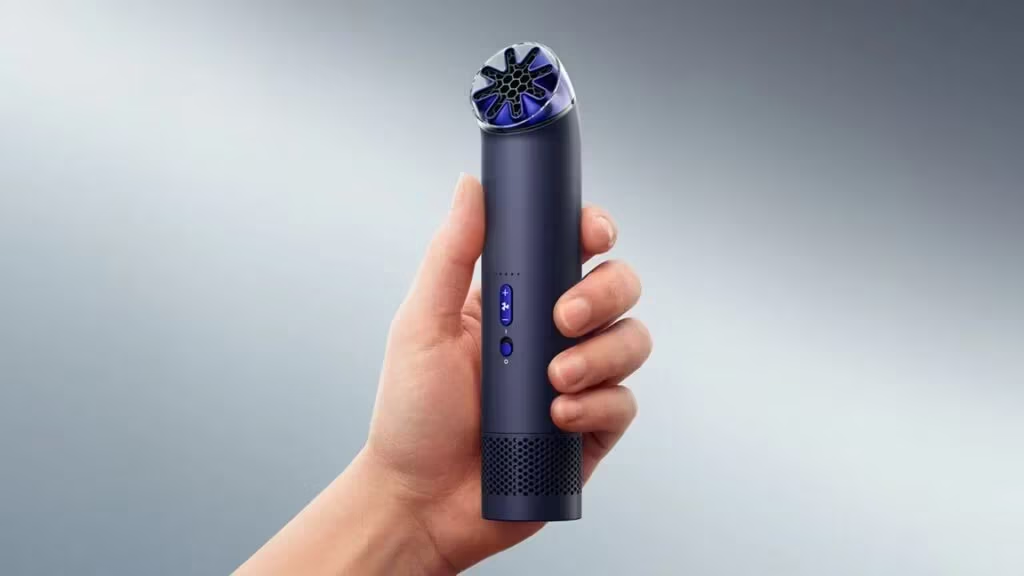
Powered by a 5,000 mAh rechargeable battery via USB-C, it can run up to six hours. Its aerodynamic design and adjustable air duct keep noise levels between 52 and 72.5 decibels. The fan is available in three colors, with optional accessories like a desk stand, neck mount, and travel case sold separately.
Historic lunar crew call to astronauts orbiting Earth
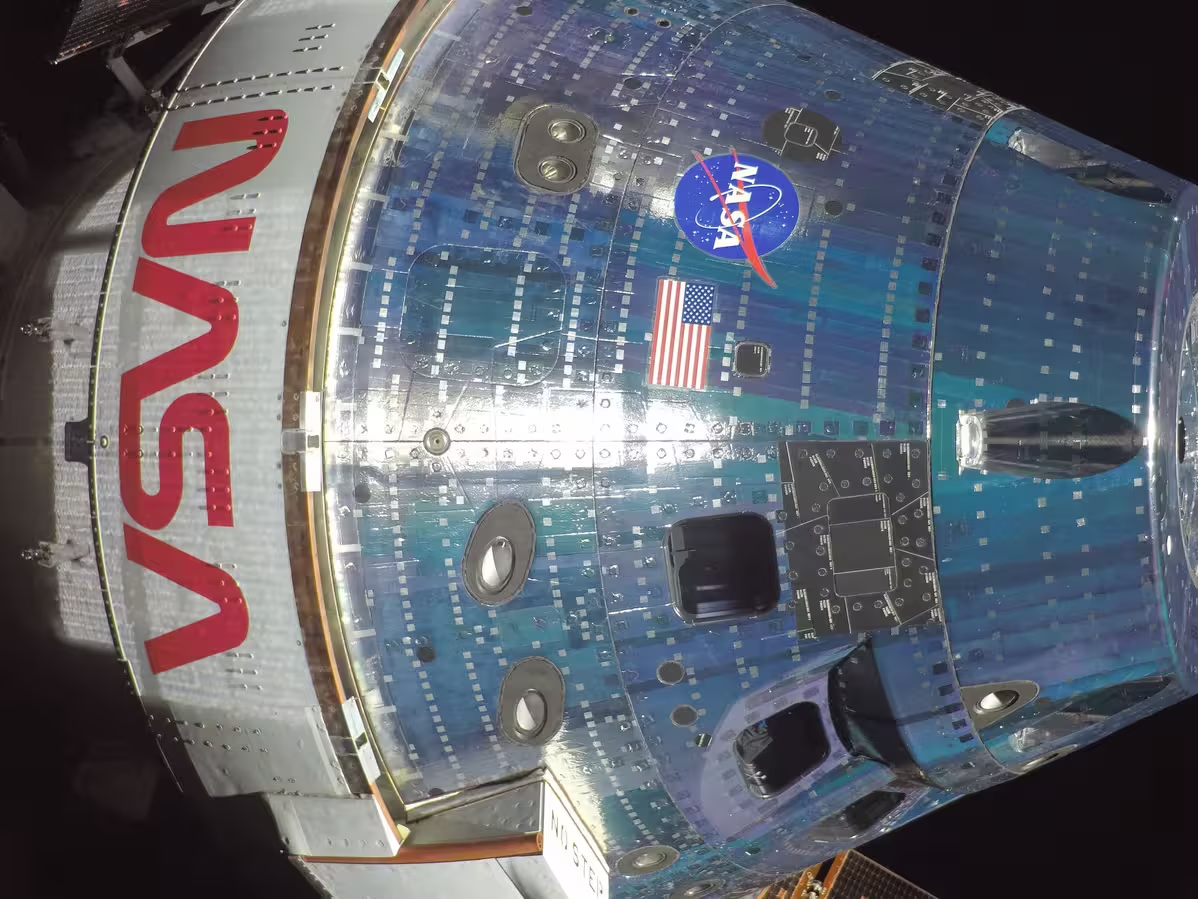
For the first time, astronauts near the Moon made a live call to colleagues orbiting Earth aboard the International Space Station (ISS). This communication occurred as NASA’s Orion spacecraft was returning from a lunar flyby, setting a new record for crewed mission distance at over 406,000 kilometers.
The conversation included discussions on deep space research and adapting to microgravity. A notable highlight was a discussion between Kristina Koch aboard Orion and crew commander Jessica Meir on the ISS. The two female astronauts, who previously made history with the first all-women spacewalk, reflected on how ISS experience prepared Koch for lunar operations. Meir humorously welcomed their ”reunion” despite the vast distance.
Russian private rocket project Voronezh approved by Roscosmos
Roscosmos approved Russia’s first private rocket project called Voronezh, a two-stage ultra-light launcher designed to transport small satellites independently into orbit. This aims to address the bottleneck where commercial payloads currently fly as secondary cargo on government rockets, limiting flexibility and increasing costs.

Developed by 3D Research and Development, Voronezh can deliver payloads up to 250 kg to an altitude of 500 km. It uses NK-3 engines based on proven RD-107 engines from the Soyuz-2 rocket, reducing technical risks and production costs. The design has passed preliminary review by TsNIIMash, Roscosmos’ main research institute. Engine tests are planned for late 2027, with the first launch from Vostochny Cosmodrome targeted for December 2029. The project budget is approximately 10 billion rubles.
Network outage disrupts Rostelecom, Steam, and government services in Russia
On April 7, a cascading network failure caused widespread outages affecting Russian state portals, banking apps, and internet services. Gamers were hit particularly hard, with accounts abruptly logged out of Steam, Discord, Battle.net, and various multiplayer games, with no option to log back in.
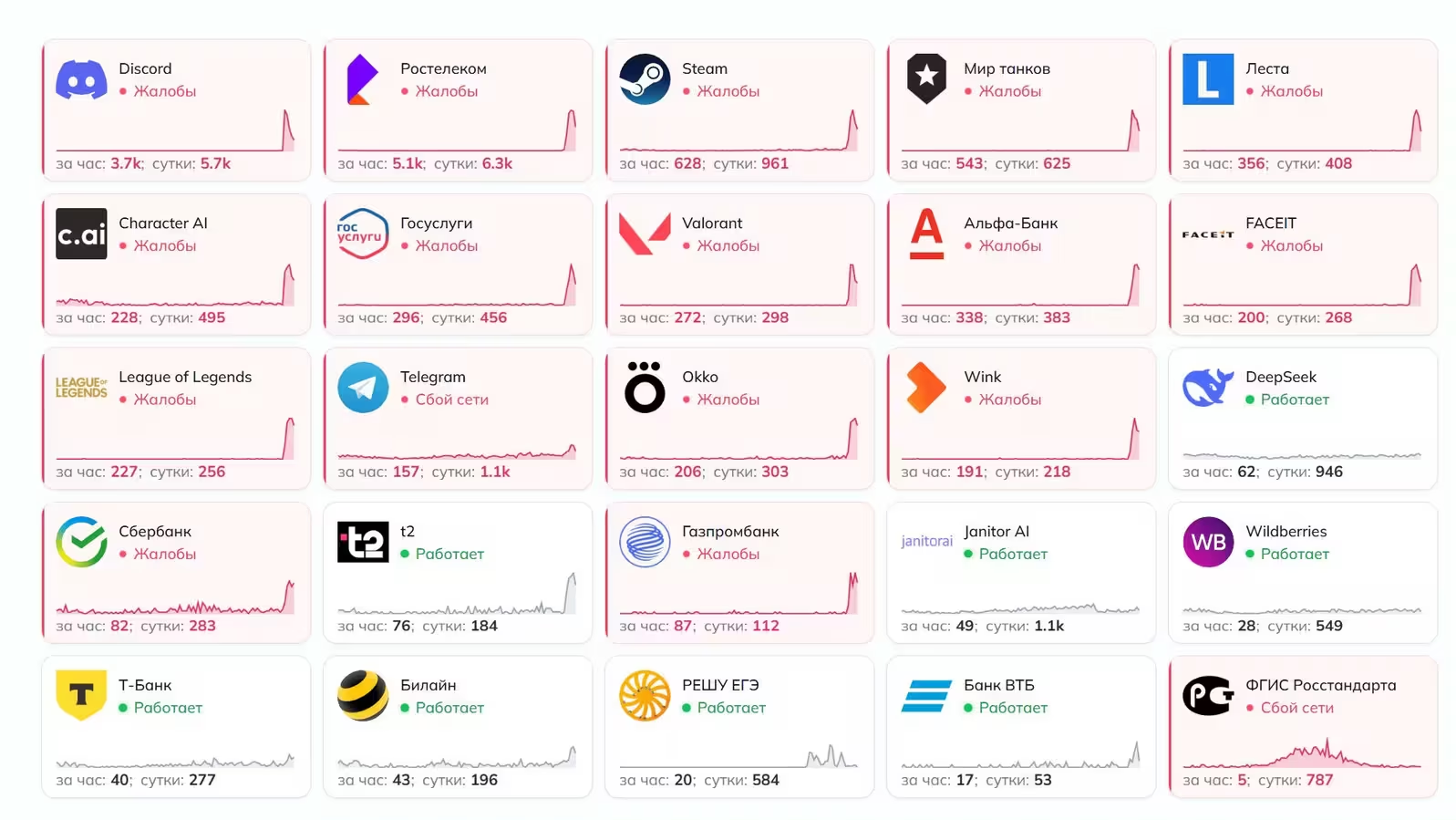
The disruptions were focused around Moscow, Moscow Oblast, and parts of Samara, Nizhny Novgorod, and Bryansk regions, with thousands reporting issues within an hour on the monitoring platform Detector404. Officials have yet to disclose whether the cause was a major operator equipment failure or errors at backbone network intersections causing widespread connectivity loss.
Yandex and other Russian services face intense competition from global giants like Google and OpenAI, but their expanding AI investments indicate they aim to remain competitive. SanDisk’s push for ultra-high-end memory cards reveals professional video and photography demands, while innovations like the US quantum heartbeat sensor herald advances in remote biometric scanning for defense.
Russian private space initiatives such as the Voronezh rocket highlight a global trend toward decentralizing and commercializing orbital access, historically dominated by state agencies. Dyson’s entry into premium portable cooling devices shows ongoing interest in high-end personal comfort gadgets amid growing smart, AI-enhanced home technologies.
Tracking how Yandex’s AI Search evolves compared to Google’s Bard and Microsoft’s Bing, along with how ChatGPT subscription tiers reshape AI accessibility, will be crucial in the coming year. The key question remains whether these AI-powered experiences become everyday tools or stay specialized utilities for enthusiasts and professionals.
SanDisk’s pricing also signals that the storage arms race continues, with professionals willing to pay premiums for reliability and speed – a niche unlikely to be overshadowed soon by cloud solutions due to data transfer bottlenecks and offline requirements.