

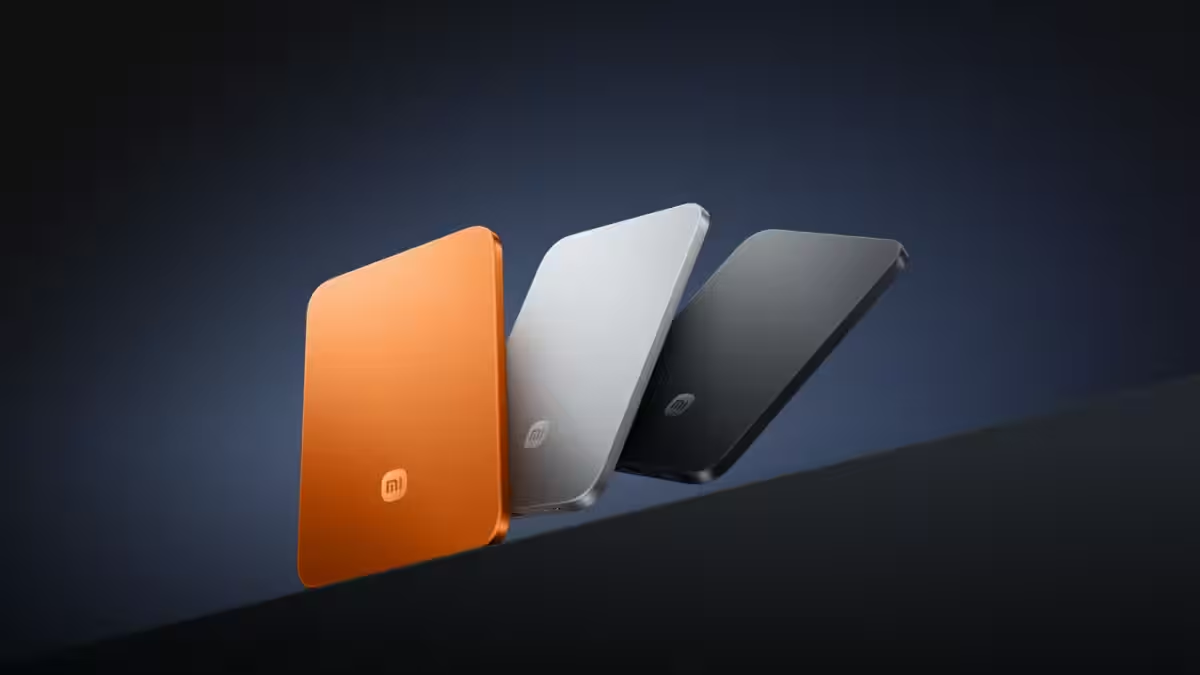
Xiaomi has brought its UltraThin Magnetic Power Bank 5000 15W to the European market following a debut earlier this year. After launching initially in China and spreading to regions like Japan and Australia, this compact charger now aims to impress on the continent with its slim profile and magnetic convenience.
At just 6 mm thick and weighing 98 grams, Xiaomi’s power bank screams portability. The aluminum body coated in fiberglass isn’t just for aesthetics-it adds a layer of heat resistance to keep things cool during charging sessions. And with a photolithographically etched logo, even the branding gets a design upgrade.
Under the hood, it packs a 5,000 mAh battery, which is modest by today’s standards but fits the ultra-thin ethos. It offers 15W wireless charging and steps up to 22.5W through USB-C wired charging, with the usual 7.5W wireless cap when juicing up iPhones. It can also wirelessly charge one device while simultaneously powering another via cable-handy for those juggling multiple gadgets.
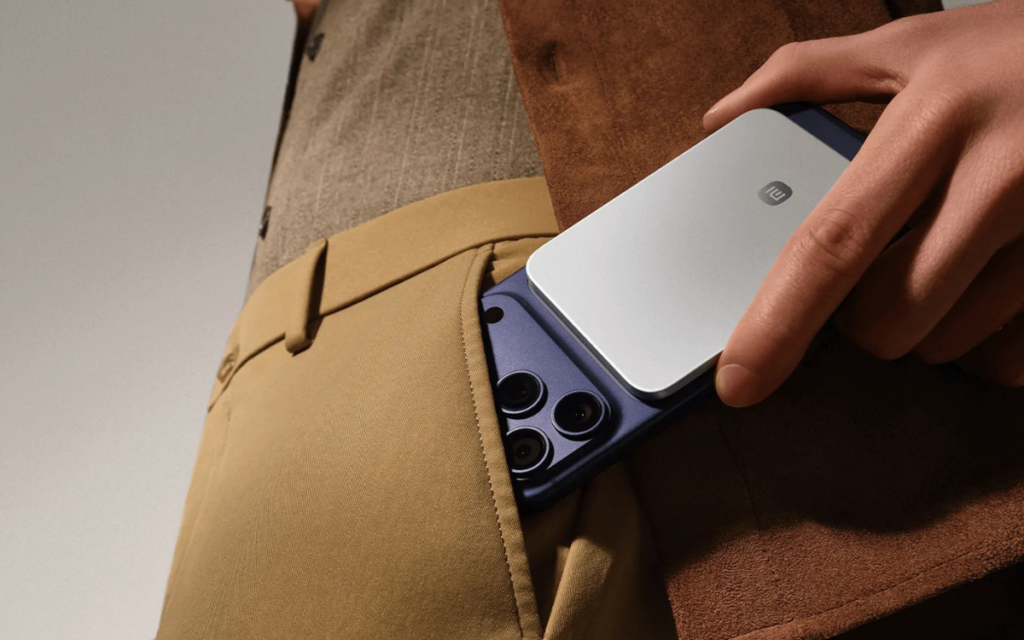
Connectivity is magnetic, supporting all MagSafe-compatible devices, including the newest models from Xiaomi, Apple, Samsung, and Google Pixel. For phones without native MagSafe support, compatible magnetic cases do the trick. Moreover, the power bank adheres to international aviation regulations, eliminating hassle for travelers.
Prices start at €59.99 for Glacier Silver and Graphite Black colorways, with the Radiant Orange variant at a slight premium of €64.99.
The built-in safety suite addresses common worries: overvoltage, overheating, short circuits, and dual-NTC temperature control all work together to keep both power bank and devices safe. Plus, certifications like China’s CCC seal provide peace of mind for buyers.
That said, Xiaomi’s UltraThin Magnetic Power Bank walks a fine line between sleekness and practical power. While its slimness is impressive, 5,000 mAh barely scratches the surface for heavy users who lean on large-capacity chargers. Also, competitors like Anker and Samsung have offerings that balance larger batteries and rapid charging-though usually at the cost of bulk.
Wireless charging power remains modest too, with 15W max and just 7.5W for iPhones-lagging behind some rivals that push 15W or more even for Apple devices. Its dual-device charging feature is useful, but the split wattage may slow charge times when multitasking.
In essence, Xiaomi has nailed the aesthetic and portability with this release, making it an attractive companion for on-the-go users who prize lightness and style. But anyone seeking robust, rapid power delivery or long-lasting juice might find it lacking compared to bulkier alternatives.
As magnetic wireless charging becomes standard across premium phones, these ultraportable accessories will only grow in appeal. Xiaomi’s entry into Europe underlines that trend, even if it leaves some power-hungry users wanting more. For now, consider the UltraThin Magnetic Power Bank a sleek sidekick, not a powerhouse.