

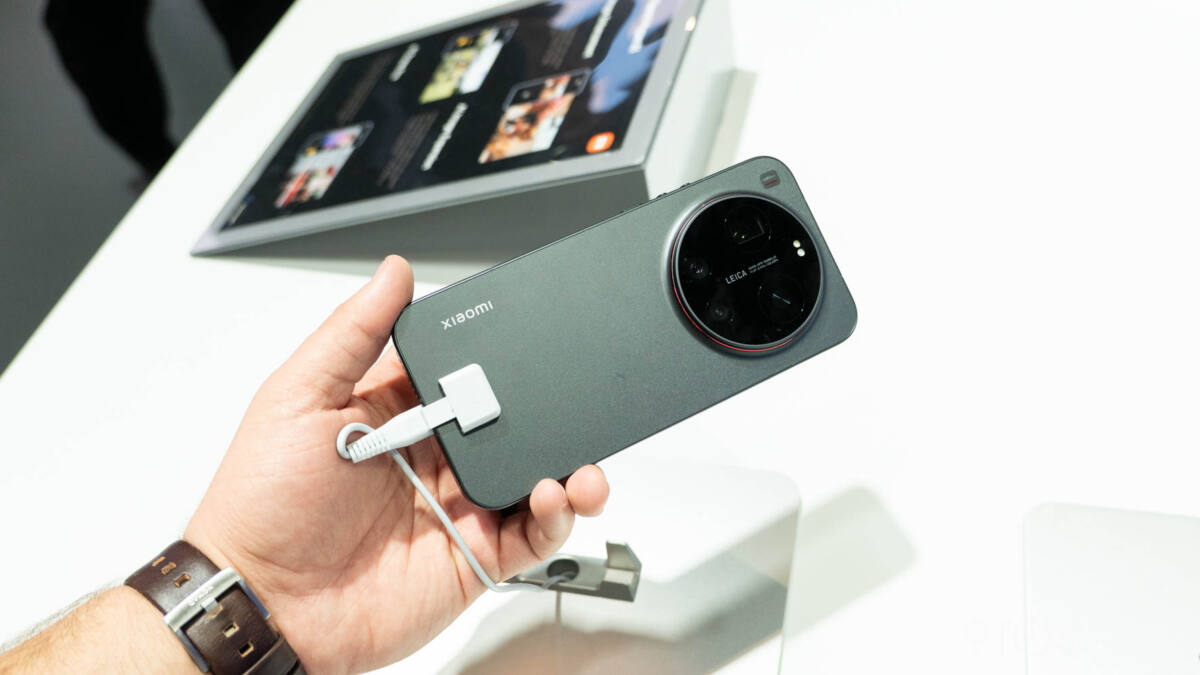
Xiaomi is set to challenge industry titans like Google by committing to annual updates of its in-house smartphone chipset, the XRing, aiming for a global rollout rather than confining it to the Chinese market. Announced during MWC 2026, this strategy mirrors Google’s approach with its Tensor chips and signals Xiaomi’s ambition to reduce dependency on Qualcomm Snapdragon processors outside China.
The XRing 01, Xiaomi’s debut chip fabricated on TSMC’s advanced 3nm process, powered the Xiaomi 15S Pro and Xiaomi Pad 7 Ultra last year but remained exclusive to China. While the freshly launched Xiaomi 17 series, now available internationally, sticks to Snapdragon chips, Xiaomi confirmed it plans to bring updated versions of the XRing chip to worldwide markets, shaking up the global smartphone chip landscape.
These yearly chipset updates signal Xiaomi’s intent to keep pace with rivals’ chip innovation cycles, potentially improving performance and power efficiency in line with advancements in semiconductor manufacturing. However, specific future improvements have yet to be disclosed, leaving tech enthusiasts curious about how Xiaomi’s chips will stack up against Qualcomm’s latest Snapdragon and Google’s next-gen Tensor versions abroad.
Breaking Qualcomm’s Snapdragon stronghold
Xiaomi’s move reflects a broader strategy to become more self-reliant on chip designs amid a shifting semiconductor industry landscape. Qualcomm currently dominates Snapdragon’s role as the go-to SoC for Android flagship devices globally. Xiaomi’s plan to deploy its AI-enabled XRing chips globally could disrupt this norm, especially as device manufacturers seek tighter integration of hardware and software through custom silicon – a tactic Google leveraged with Tensor to optimize AI and performance.
Xiaomi’s focus on promoting its Xiao AI assistant beyond China aligns with this chip strategy. The company intends to expand this AI ecosystem internationally, potentially powered by Google’s Gemini AI models, indicating a hybrid approach that fuses Xiaomi’s hardware with advanced AI services. This AI integration could prove a key differentiator in markets saturated by brands relying solely on third-party chips.
Challenges and what to watch next
Although Xiaomi’s ambitions are clear, replicating Google’s success with Tensor won’t be straightforward. The chip still hasn’t matched Qualcomm’s performance consistency or developer support globally. Xiaomi will need to ensure its XRing chips can compete not only on raw specs but also on ecosystem compatibility and software optimization to convince users accustomed to Snapdragon-based phones.
Another challenge is scale. Google’s Tensor chips remain niche within Pixel devices, while Xiaomi aims for a broader rollout that could require massive supply chain upgrades and partnerships. Moreover, Xiaomi’s historical hesitancy to launch high-tier devices outside China complicates this – global buyers will scrutinize whether Xiaomi’s homegrown chips deliver tangible benefits over Snapdragon’s proven capabilities.
That said, Xiaomi’s annual chip update plan marks a notable escalation in the trend of smartphone makers developing custom silicon to differentiate from competitors. As semiconductor firms grapple with geopolitical pressures and chip shortages, vertically integrated approaches like Xiaomi’s could offer a competitive advantage if executed well.