

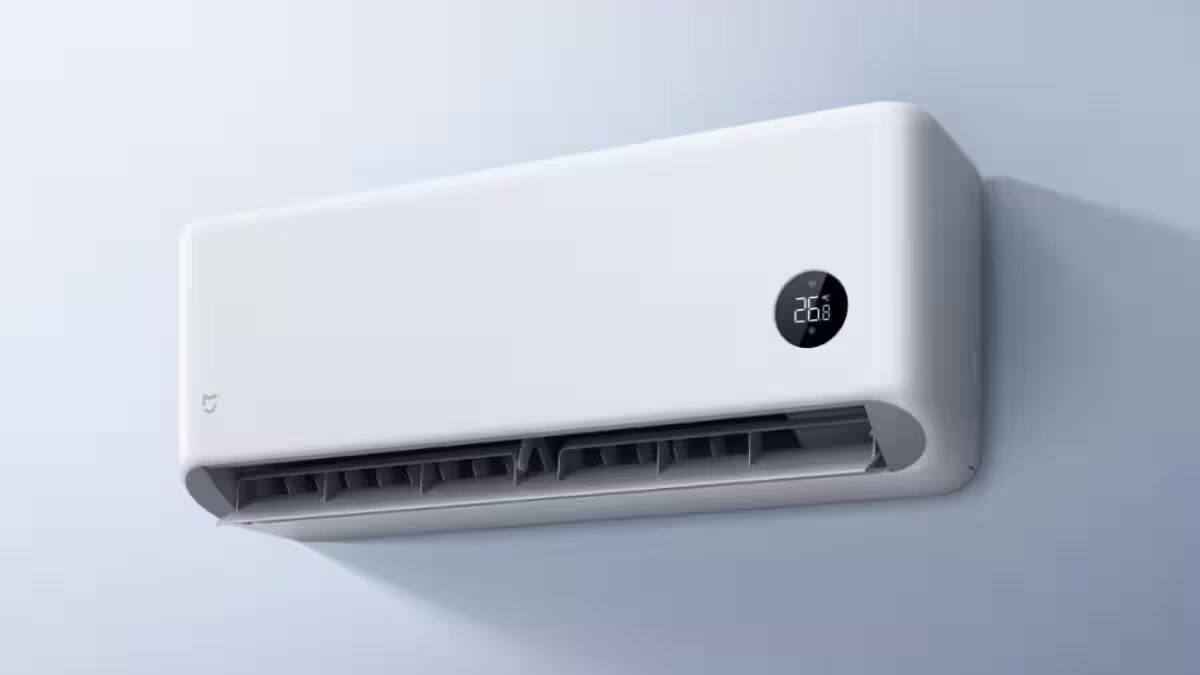
Xiaomi’s new Mi Home Air Conditioner Ultra Energy-Saving Pro 1.5 HP matters beyond China’s appliance market. As households and regulators push for lower power consumption, a mainstream brand shipping class-leading APF ratings and near-silent operation could reshape expectations for smart HVAC worldwide. The 2026 refresh combines a bigger airflow, upgraded heat-exchange hardware and tighter ecosystem integration – features that used to sit in premium commercial units – while keeping a price point that undercuts many legacy HVAC manufacturers. For international tech readers, this is a sign that Chinese OEMs are accelerating the convergence of efficiency, connectivity and software-managed maintenance in everyday appliances. If this model reaches markets outside China, it could speed adoption of energy-conscious, app- and voice-enabled climate control that’s affordable for more households. Beyond a quieter bedroom, the story here is about how platform-level features like HyperOS Connect and over-the-air updates are turning ACs into living, upgradeable smart-home endpoints.
For Russian readers: Xiaomi’s Mi Home line has been a familiar and affordable route into smart home gear for many households, and launches like this typically debut in China first. The ”first class” energy-efficiency mention refers to China’s top-tier label for residential air conditioners, and ”по воздуху” in the original announcement simply means over-the-air firmware updates. Availability outside China often depends on regional distribution decisions, certification and local partnerships, so a China launch doesn’t guarantee the model will appear in Russia or elsewhere.
What Xiaomi announced
Xiaomi has launched the Xiaomi Mi Home Air Conditioner Ultra Energy-Saving Pro 1.5 HP in China, unveiled alongside a less powerful 1 HP variant. The 2026 model brings several upgrades over the 2025 version.
The 2026 variant increases airflow to 900 m³/h and supports both vertical and horizontal air distribution for more even cooling or heating across a room. Maximum cooling and heating figures have also grown, and the annual performance factor (APF) rose from 5.65 to 6.30. The unit uses a large two-row condenser and evaporator and meets China’s first class energy-efficiency standard for residential air conditioners. Noise levels are extremely low – just 16 dBA – making the unit suitable for bedroom installation.

Smart features include HyperOS Connect support, which lets the air conditioner integrate with other Xiaomi ecosystem products and be controlled remotely via the company’s app. Users will receive filter-dirt notifications and can install updates over the air. Xiaomi also touts an energy-saving algorithm and a self-cleaning function for both the indoor and outdoor units. A built-in display shows the current temperature and connection status.
In China, the Xiaomi Mi Home Air Conditioner Ultra Energy-Saving Pro 1.5 HP is priced at 3199 yuan (approximately 464 dollars). It’s not yet known whether Xiaomi will release this model in other markets.
Conclusion and analysis
This update is a measured but meaningful step: the jump to a 6.30 APF and a 900 m³/h airflow shows Xiaomi is prioritizing efficiency and real-world comfort, not just connected bells and whistles. The 16 dBA claim is notable – if it holds in independent testing, it positions the unit as a sleep-friendly option among smart ACs. HyperOS Connect and OTA updates keep the product aligned with Xiaomi’s broader platform strategy, turning an air conditioner into another node in a brand-wide IoT ecosystem. The price point in China undercuts many established HVAC vendors, which could put pressure on rivals if Xiaomi expands the model internationally. The main wildcard is regulatory and certification hurdles in other regions; until Xiaomi confirms wider availability, this remains a strong China-market product with global implications rather than an immediate international disruptor.