

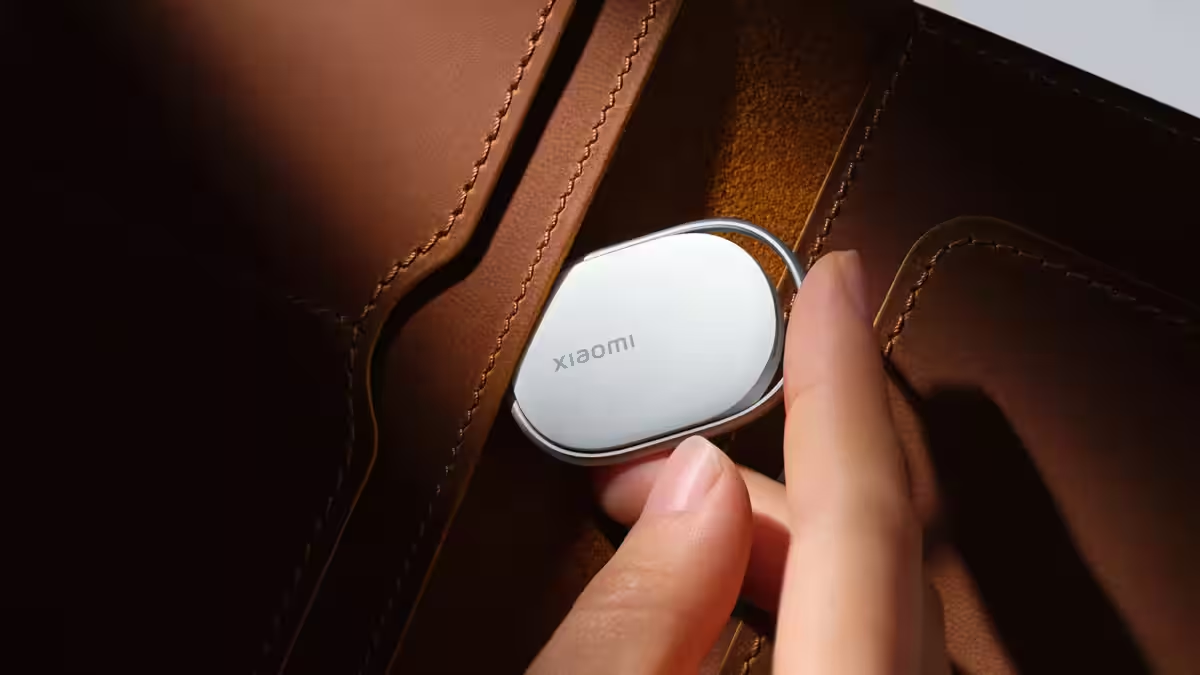
Much like a long game of hide-and-seek, losing your keys or bag is a universal frustration. Enter Xiaomi Tag, the new gadget vying for a place on your keychain and throwing its hat into the ring against Apple’s well-established AirTag.
Just unveiled globally at MWC 2026 and already on shelves in Europe, Xiaomi’s tracker made initial waves last year in Southeast Asia. But this isn’t just a cheaper AirTag clone. Its real claim to fame is a rare dual compatibility that taps into both Apple’s Find My network and Google’s Android Find Hub, aiming to bridge a divide most trackers ignore.
Priced aggressively at under €15 for a single unit and just under €50 for a four-pack, Xiaomi is clearly going for volume and accessibility. The device itself is modest: a 10-gram oval with a metal frame, water-resistant with IP67 certification, designed to attach neatly to everyday objects.
But beneath its simple design lies a suite of thoughtful features addressing real-world use: a Lost Mode that reveals your contact info upon NFC tap by a finder, a buzzer to hunt down misplaced items by sound, and smart alerts that warn when users leave belongings behind. The device also quietly enlists nearby smartphones to help track lost tags-a crowdfunded location network without compromising privacy.
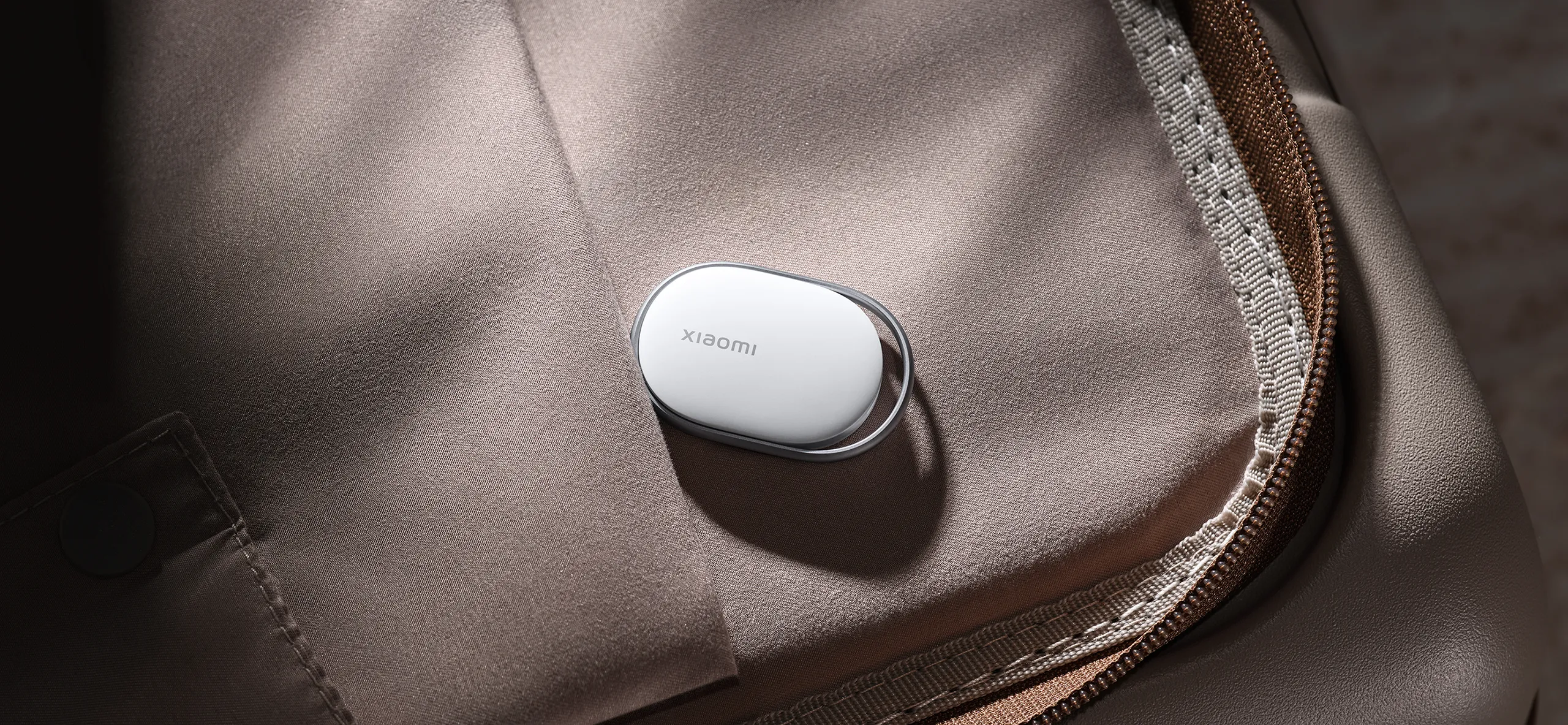
Privacy remains a tightrope in the world of tracking devices. Xiaomi tackles this with anti-tracking alerts that notify users if unknown tags move with them, plus encrypted location transmissions to block unauthorized snooping.
Xiaomi Tag’s choice of a replaceable CR2032 battery, boasting over a year of life, is a welcome return to user-replaceable power sources at a time when many devices are locked shut or soldered shut. Users also get low-battery warnings to avoid surprises.

While Apple’s AirTag dominates with a deeply integrated Find My network, it’s tethered to the Apple ecosystem. Xiaomi’s willingness to play in both Apple’s and Google’s yards is a clever concession to an increasingly fragmented mobile world. However, this versatility comes with a catch: the Xiaomi Tag must be paired with either iOS or Android – it won’t juggle both simultaneously.
This global launch comes just as more brands attempt to carve space in the Bluetooth tracker market, battling not just AirTag but also Samsung’s Galaxy SmartTag and Chipolo’s trackers. Xiaomi’s standout edge: aggressive pricing coupled with dual-platform support, which could pressure competitors to reconsider their siloed approaches.
Looking ahead, the question is whether Xiaomi can convert price and cross-platform compatibility into user trust, especially around privacy and reliability. Apple’s matured ecosystem and device synergy remain tough to match. Still, Xiaomi Tag’s push might nudge others to innovate smarter, more open tracker solutions that don’t lock users into one ecosystem.
As tracking tech becomes essential clutter in our pockets and purses, options like Xiaomi Tag offer a refreshing blend of practicality and accessibility-reminding us that sometimes, it’s the fundamentals (location accuracy, privacy, ease of use, and price) that win the race, not just brand prestige.