

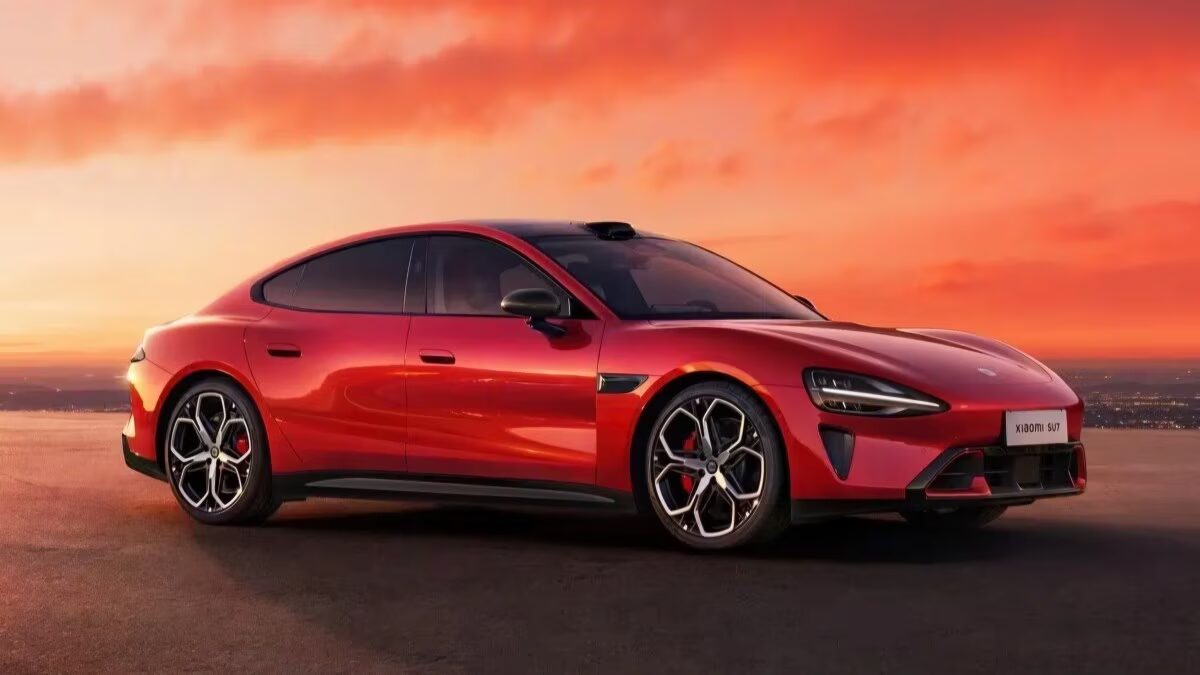
Xiaomi is accelerating its push into electric vehicles, delivering 21,440 EVs in March driven by a strong launch of its new SU7 sedan. While sales dipped for its main SUV model, the surge in SU7 orders signals growing momentum for the tech giant’s automotive ambitions as it targets 550,000 vehicles in 2026.
Emerging from its roots as a smartphone and electronics powerhouse, Xiaomi has rapidly positioned itself as a serious player in China’s electric vehicle sector. In March alone, the company delivered 21,440 electric cars-a 5% increase over February but down nearly 27% year-over-year. This volatility largely reflects seasonal factors, including the Chinese Lunar New Year holidays, when vehicle sales typically slow as consumers focus on family visits rather than purchases. Additionally, Xiaomi was ramping up supply ahead of the SU7 sedan’s debut, one of its most critical releases to date.
Most of Xiaomi’s March sales came from its electric SUV, the YU7, which accounted for 13,558 units, or over 63% of the total. However, sales of the YU7 dropped nearly 33% compared to February, likely as buyers held off to wait for the fresh SU7 sedan model.
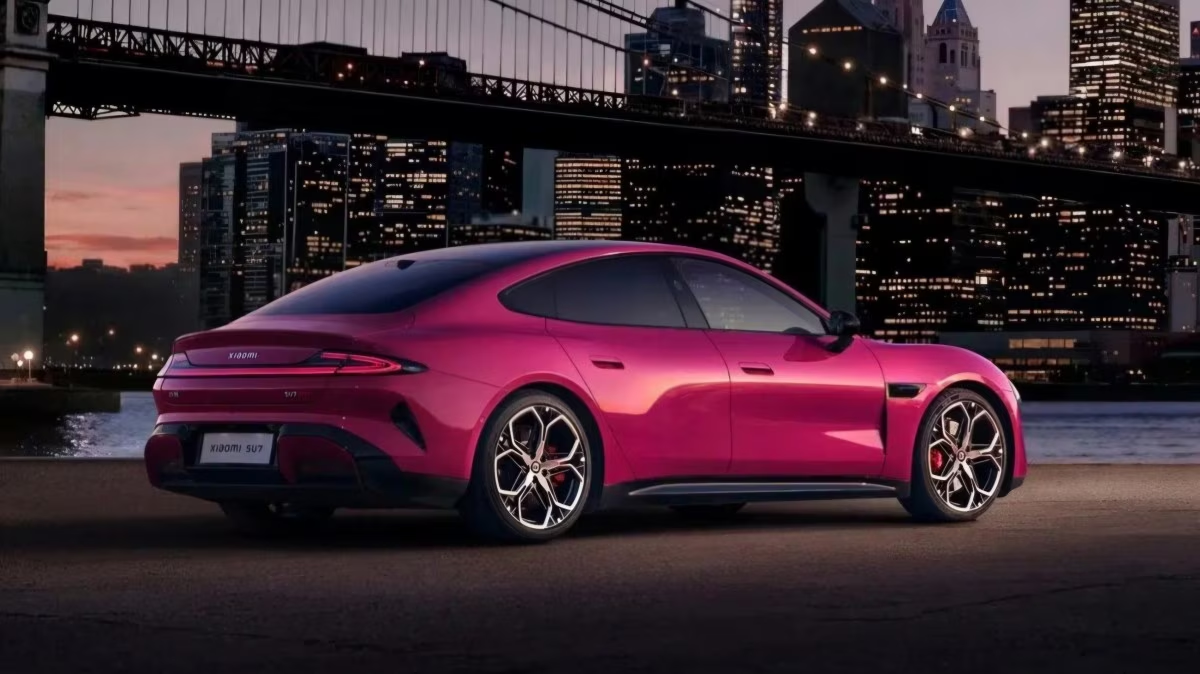
The SU7 became the headline act in March. Introduced on March 19, Xiaomi started deliveries just four days later on March 23. The company shipped 7,882 SU7s within that short span-an enormous leap considering only 218 units of the previous version sold in February.
Xiaomi’s founder Lei Jun is bullish on the SU7’s prospects. During a recent livestream, he revealed that ”locked-in” orders-meaning customers who have placed deposits and can’t back out easily-already exceed 40,000 units. This guarantees steady production demand for months ahead since manufacturing began even before the official launch.
Price is a major factor behind the SU7’s strong start. The base model costs from 219,900 yuan (around €27,490), undercutting rivals like Tesla by offering competitive range and features at a lower price point. Xiaomi’s value-driven strategy puts pressure on established automakers, highlighting how tech companies can disrupt the electric vehicle market.
China’s broader new energy vehicle (NEV) market remains volatile. March sales jumped 82.6% from February, hitting 848,000 units, but declined 14.4% compared to the same month last year. The market’s fluctuations stem from seasonal holidays and shifting consumer demand.
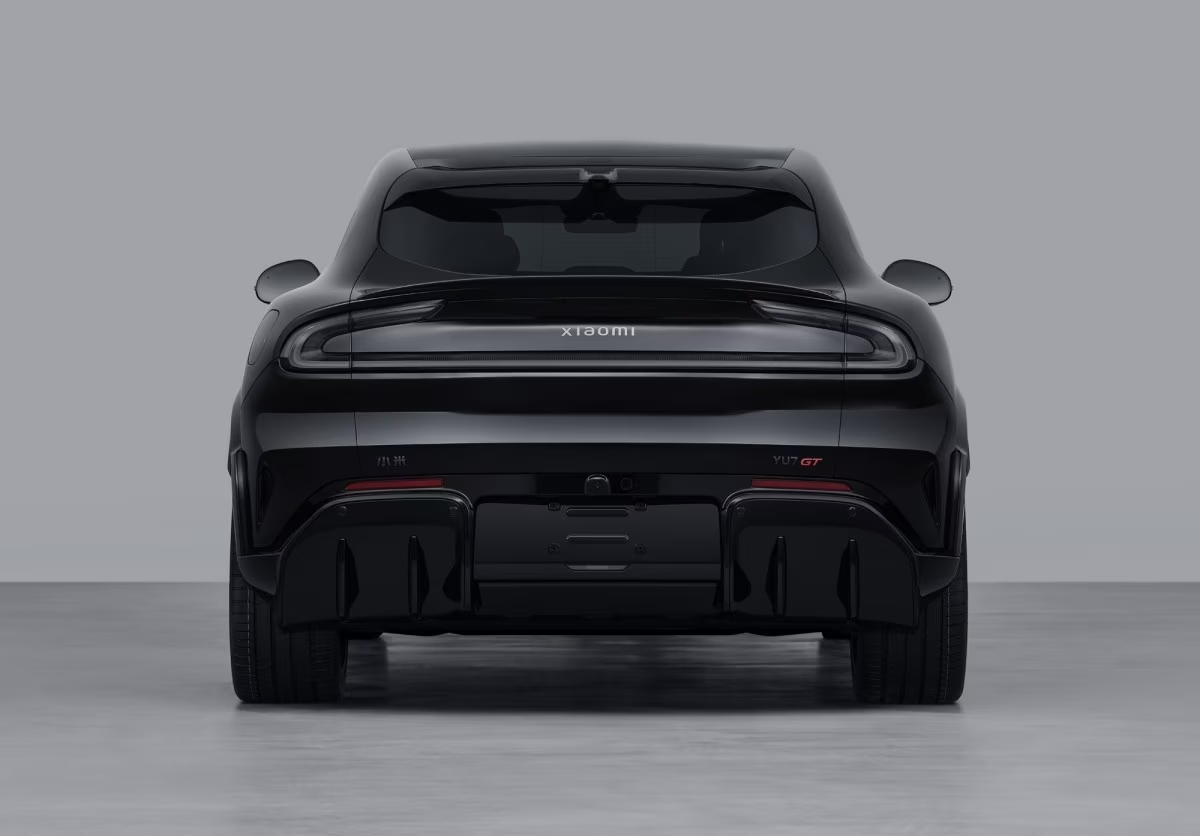
After shipping 411,837 EVs in 2025, Xiaomi has set a tough target of 550,000 vehicles for 2026. Hitting that goal will hinge on sustaining SU7 demand and reviving YU7 sales. Unlike Tesla or BYD, Xiaomi is still a newcomer to the EV game but is rapidly catching up by leveraging its tech pedigree, pricing strategy, and growing manufacturing prowess.
The crossover between tech and automotive industries is intensifying, and Xiaomi is at the intersection. If it can maintain attractive pricing and reliable supply chains, traditional automakers will face real competition from this emerging contender. Delivering over 21,000 electric vehicles in a single month is already an impressive start for a company that only recently entered the car market.
Looking ahead, watch how Xiaomi scales its electric lineup-whether it can maintain production efficiency while expanding offerings and if it will venture beyond China to international markets. Its 2026 targets suggest the company is betting big on transforming from a tech gadget maker into a full-fledged automotive heavyweight. The question remains whether this rapid growth will translate into lasting disruption for established EV leaders.