

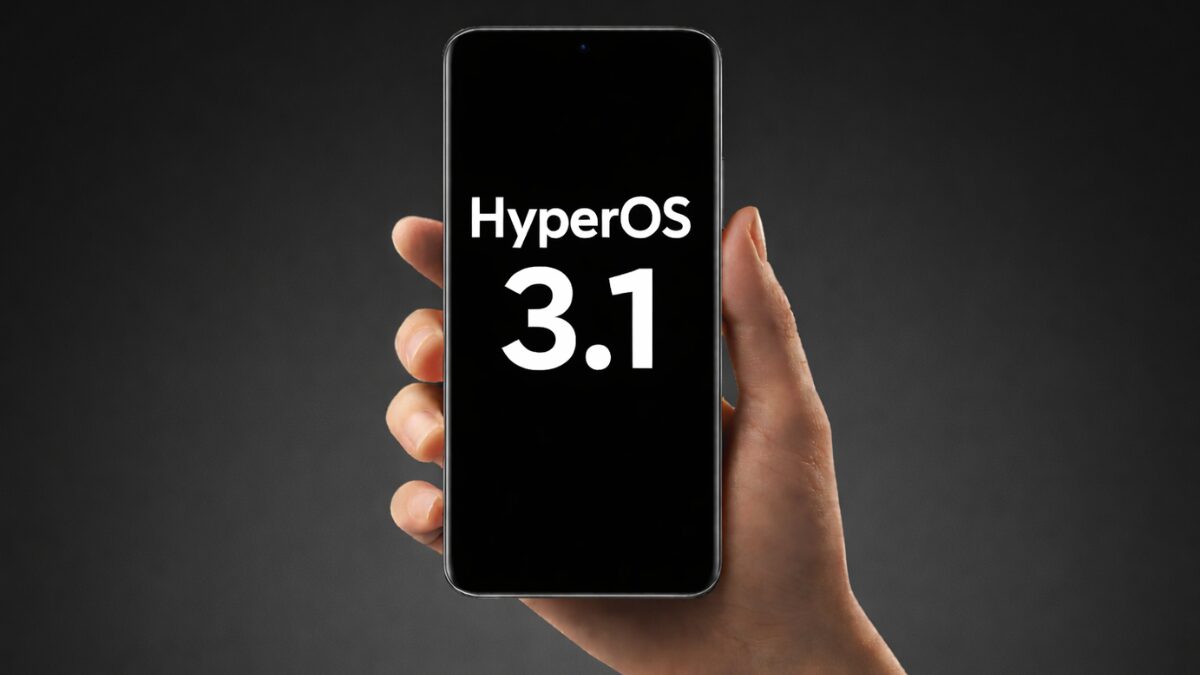
Xiaomi has started rolling out the stable version of HyperOS 3.1, its latest custom operating system based on Android 16, beginning with the newly launched Xiaomi 17 series and Redmi K90 Pro Max. After weeks in beta, this update focuses on smoothing out software quirks while introducing a few visual and functional refinements. Though this initial release is limited to China, wider global distribution is expected in the coming weeks.
Key fixes and enhancements in HyperOS 3.1
The HyperOS 3.1 update addresses a variety of system glitches: occasional black screens after factory resets, problems with file uploads in third-party apps, and issues recognizing SIM cards under particular conditions. Users also benefit from improved gesture prompts and a better connection experience with accessories like AirPods. Xiaomi’s launcher now supports stacking recent tasks, an aesthetic and usability tweak that adds polish to the user interface.
Notably, Xiaomi has rebuilt key core apps such as Gallery and Weather using the Rust programming language, which typically enhances app performance and security. This move reflects Xiaomi’s broader trend toward integrating modern development practices to produce smoother and more reliable apps.
Global deployment and Xiaomi’s broader OS ambitions
While the rollout presently targets Chinese users, Xiaomi intends to extend the update to devices worldwide soon, underscoring the company’s ambition to unify its ecosystem under HyperOS as Android 16 becomes the foundation. Unlike MIUI, Xiaomi’s previous interface, HyperOS aims to be more streamlined and performance-focused, but the company still faces the challenge of convincing a global audience to transition smoothly, especially amid stiff competition from Oppo’s ColorOS and Samsung’s One UI.
The update’s staggered introduction also points to Xiaomi’s cautious approach, prioritizing stability over rapid global adoption. Initial exclusions of some beta features in the official release hint that Xiaomi is constantly balancing innovation with user feedback and system reliability.
For Xiaomi owners, keeping an eye on the system settings for update notifications is a good habit, or navigating manually to download the update. The rollout highlights the growing maturity of Android 16 adoption across OEM-specific systems and Xiaomi’s commitment to refining its software ahead of the more intense Android 17 wave expected later in the year.