

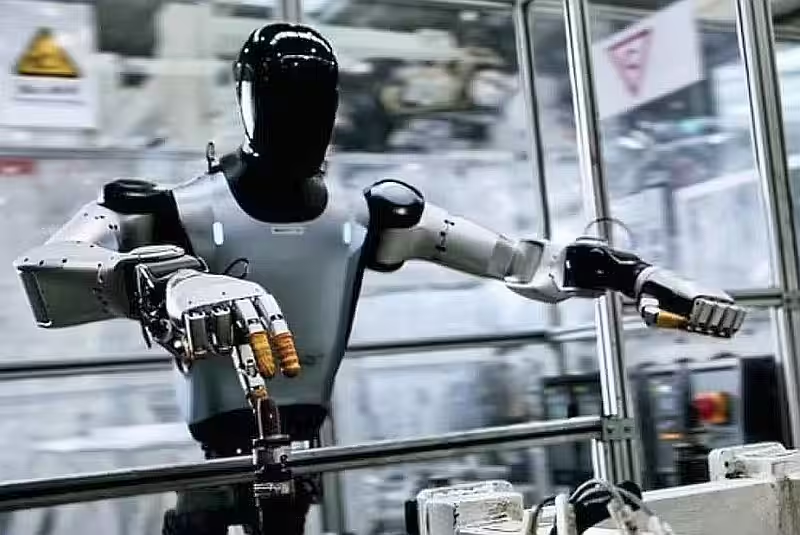
Xiaomi’s humanoid robot demonstrated impressive precision by autonomously screwing self-tapping nuts on an electric vehicle assembly line with a success rate exceeding 90% during a continuous three-hour trial. This milestone signals a tangible step toward embedding humanoid robots into complex automotive manufacturing tasks, traditionally dominated by human workers or highly specialized automation.
The robot’s primary role involved picking nuts from an automated feeder and placing them onto dedicated fixtures while coordinating precisely with a fast-moving production conveyor. The challenge was far from trivial: the nuts’ internal slotted design, variable grip positions, and magnetic interference cut down typical industrial robot reliability. Xiaomi’s solution integrates an advanced data-driven control system coupled with a 4.7-billion-parameter Vision-Language-Action (VLA) model and reinforcement learning, enabling the robot to adapt rapidly to changing physical conditions.
Uniquely, the robot synthesizes multimodal feedback, including visual input, tactile sensing, and joint proprioception, to reduce misjudgments during intricate assembly sequences. Its control algorithms, refined through hundreds of millions of simulated perturbations, achieve real-time responses faster than one millisecond per iteration. This allows it to maintain balance and perform consistently even amid operational variances.
Currently focused on self-tapping nut stations, Xiaomi is expanding the robot’s deployment to other tasks such as container handling and emblem placement to address the core industrial bottlenecks of production cycle time and quality yield. Xiaomi’s CEO Lei Jun envisions humanoid robots becoming a common fixture across the company’s factories within five years. This reflects a broader surge in embodied intelligence efforts from tech giants worldwide, aiming to infuse humanlike dexterity into manufacturing robots.

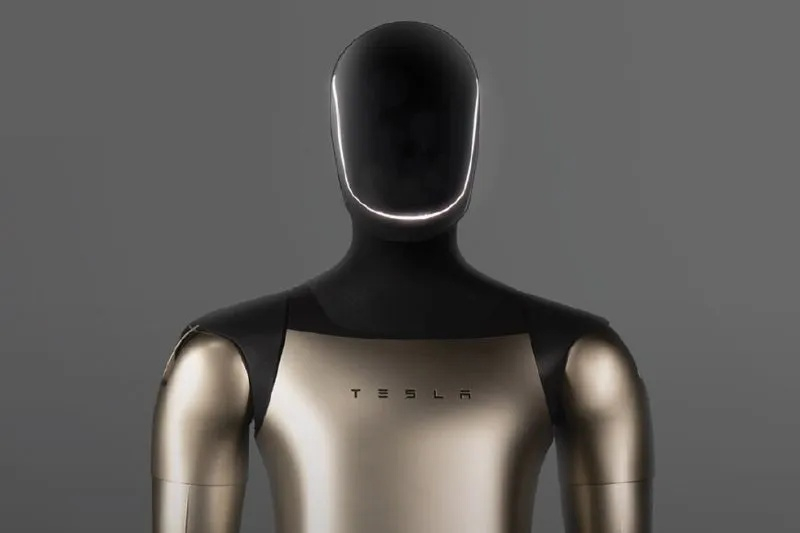
Industry rivals are racing to commercialize humanoid robot production lines. Tesla’s Optimus robot promises complex task execution by year-end, with a third-generation model slated for a Q1 launch. Meanwhile, Chinese EV maker Xpeng is setting up what may become the first mass-production humanoid robot factory, aiming for output scale by late 2026.
While Xiaomi’s achievement marks encouraging progress, the 90% success rate during controlled three-hour stretches highlights that humanoid robots still trail specialized industrial arms in speed and reliability. However, their humanlike versatility may ultimately unlock factory tasks that rigid automation struggles with, especially where adaptability is crucial.
Given the intense competition among leading robotics developers, widespread industrial adoption of humanoid robots seems poised to accelerate over the next few years. The question that remains is how quickly these robots can surpass traditional automation in both precision and throughput to justify more substantial factory integration.