

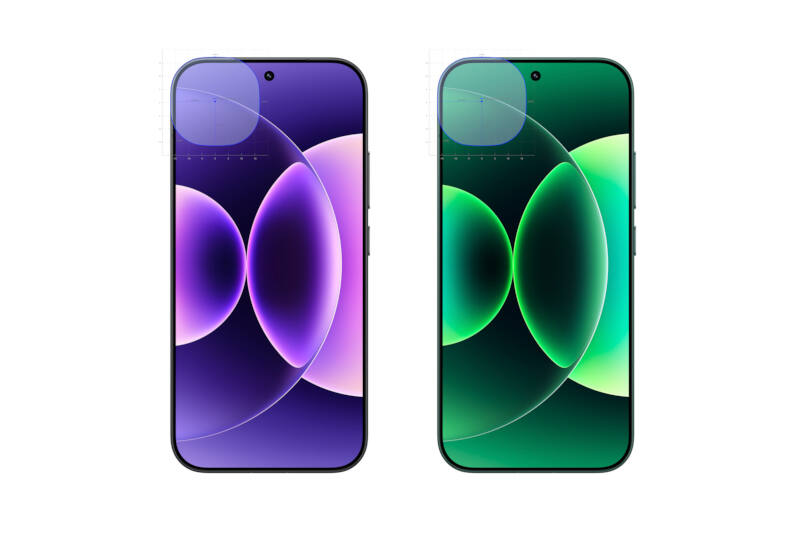
Xiaomi has launched its latest flagship smartphones, the Xiaomi 17 and 17 Ultra, in the Russian market, spotlighting advanced camera systems co-developed with Leica and performance powered by Qualcomm’s Snapdragon 8 Elite Gen 5 processor. Both models promise top-tier photography and robust build quality, but the Ultra version targets photography enthusiasts with a massive 200MP sensor and telephoto zoom capabilities.
The Xiaomi 17 is trim and light for a flagship, measuring 8.06 mm thick and weighing 191 g, with narrow 1.18 mm bezels surrounding its OLED screen. It features a tough construction branded Xiaomi Guardian, using an aluminum 6M42 frame and Xiaomi Shield Glass, earning an IP68 rating for water and dust resistance. Camera-wise, it sports a 1/1.31-inch Light Fusion 950 sensor with a 4-in-1 Super Pixel layout to maximize light capture and a wide 13.5 EV dynamic range. Leica lenses enable portrait shots with a 60 mm equivalent focal length and macro photography from as close as 10 cm. The phone also offers 5x optical and 20x digital zoom, plus a 50MP selfie camera. Video enthusiasts get 4K recording at 60 fps with Dolby Vision HDR support and Log profile options.
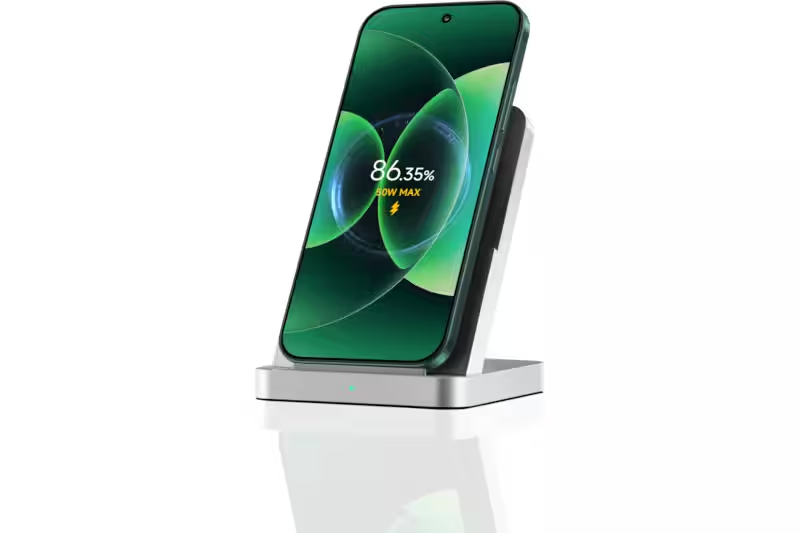
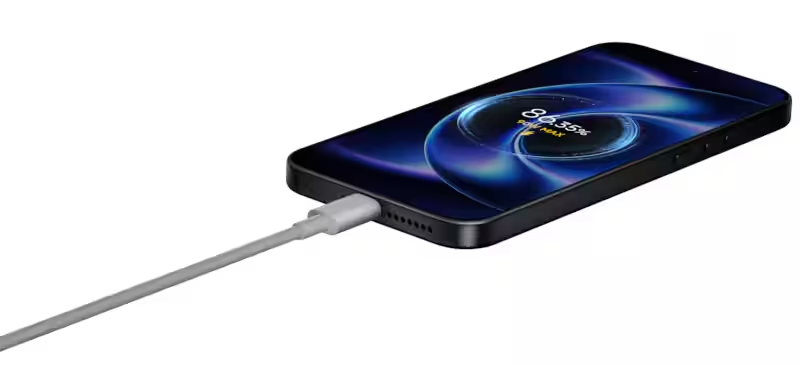
Under the hood, both the Xiaomi 17 and 17 Ultra run on Qualcomm’s Snapdragon 8 Elite Gen 5, featuring the powerful Oryon CPU cores and an advanced Adreno GPU, alongside the Hexagon neural processor for AI tasks. The Xiaomi 17 comes with an LTPO display capable of adaptive refresh rates from 1 Hz to 120 Hz, pushing peak brightness up to 3500 nits. Battery life gets a boost from a sizable 6330 mAh cell with wired fast charging up to 100W and wireless charging at 50W.
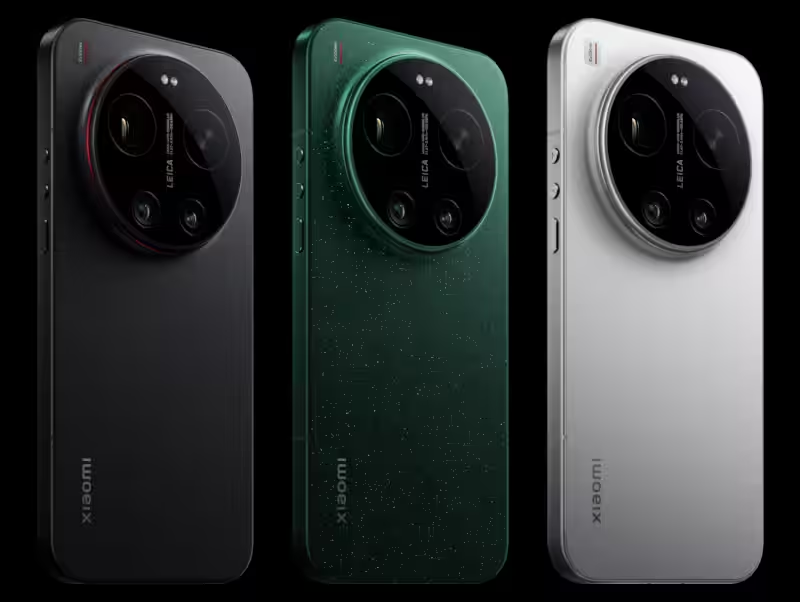
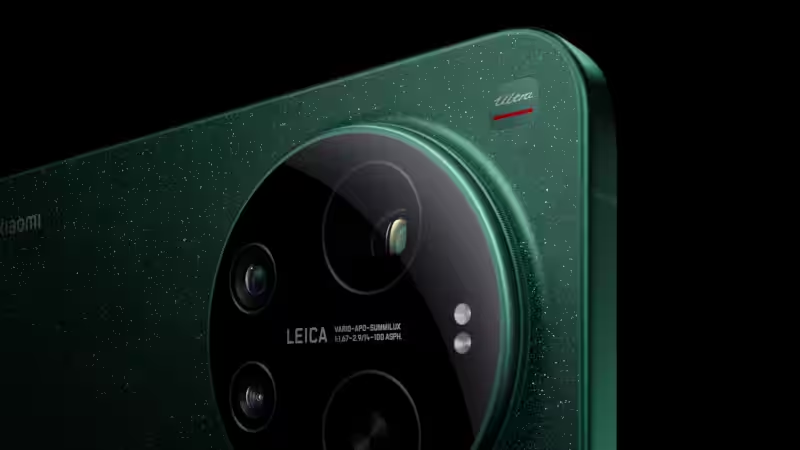
The Xiaomi 17 Ultra steps up the photography game with a 1-inch Light Fusion 1050L sensor and a whopping 200MP Leica-branded main camera, complemented by a 75-100 mm optical zoom mechanism. Its telephoto lens, meeting Leica’s APO standard, extends zoom up to an impressive 400 mm (17.2x). Video capture highlights include 4K footage at up to 120 fps with Dolby Vision and ACES Log profiles supported on both main and tele lenses. The Ultra model’s build uses Xiaomi Shield Glass 3.0 and a fiberglass rear panel framed by aluminum alloy, maintaining IP68 certification. It’s slightly thicker and heavier than the base model at 8.29 mm and 218.4 g.
The Ultra features a custom Xiaomi M10 OLED display using new HyperRGB subpixel technology, which improves image sharpness while cutting energy use. Its 6000 mAh battery supports fast charging at 90W wired and 50W wirelessly.
Pricing for the Xiaomi 17 starts at 84,990 rubles (~$1100) for the 12GB/256GB configuration, with a 16GB/512GB option at 94,990 rubles. The 17 Ultra’s 16GB/512GB variant costs 124,990 rubles, while the 16GB/1TB top-tier model is 134,990 rubles. Color options range from black and green to pink and blue shades, depending on the model.
Though Xiaomi continues to push aggressive specs and camera innovation, their pricing places these phones firmly in the premium tier, competing with Samsung’s Galaxy S and Sony’s Xperia Pro lines. The inclusion of Leica optics reflects an ongoing trend among high-end devices to leverage camera brand partnerships to entice photography enthusiasts. Yet with rapid innovations in AI-driven photography and foldables gaining ground, Xiaomi’s challenge is to convince users that these incremental gains justify their price tags.
In Russia, where sanctions and supply chain issues sometimes complicate smartphone availability, Xiaomi’s ability to offer devices with cutting-edge hardware so swiftly suggests it remains committed to the market. Whether consumers will embrace these new models as flagship replacements or wait for alternatives remains an open question as competition intensifies in 2026.