

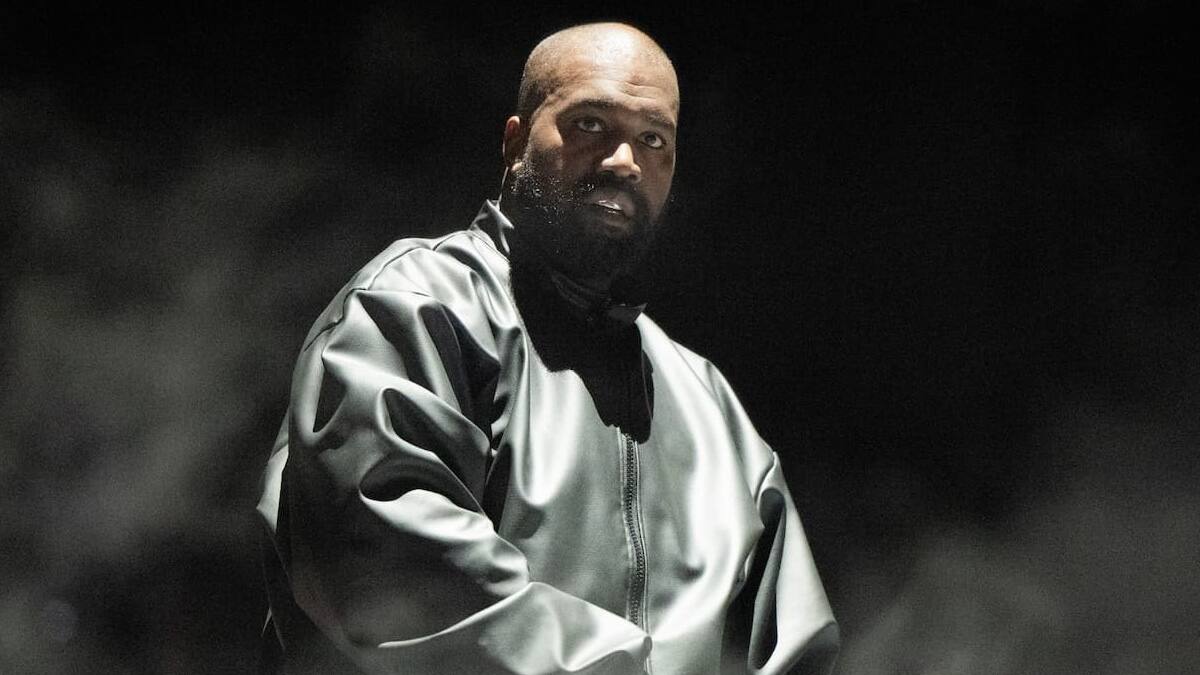
Wireless Festival’s plan to put Kanye West at the top of all three July nights in London has triggered an immediate backlash, with Mayor Sadiq Khan and the Jewish Leadership Council both condemning the booking as irresponsible. For readers searching for the latest Wireless Festival Kanye West backlash, the issue is not whether the headline slot is newsworthy, but whether the festival has crossed a line that should have kept the rapper off the bill altogether.
City Hall moved quickly to distance itself from the decision, saying West’s past comments and actions are ”offensive and wrong” and do not reflect London’s values. That framing matters. Promoters can book whoever they want, but once a festival becomes a lightning rod for hate-speech controversy, the argument shifts from music to judgment, and the organizers own that choice whether they like it or not.
Why the Wireless Festival Kanye West backlash erupted
The Jewish Leadership Council was even more direct, calling it ”deeply irresponsible” for Wireless to put West in a headline role. Its statement pointed to rising antisemitism in the UK and said West has repeatedly used his platform to spread antisemitic and pro-Nazi messaging. In other words: this was not treated as a normal controversy over a polarizing artist, but as a booking with real-world consequences.
That criticism lands in a summer where festivals are under more pressure than ever to prove they understand the difference between provocation and plain bad taste. The live-music sector has long leaned on shock value to sell tickets, but audiences, sponsors, and local officials are far less willing to shrug when the outrage centers on antisemitism rather than an edgy costume choice.
West’s apology did not end the story
West tried to reset the narrative in January 2026, publishing an open apology in The Wall Street Journal and saying he had recanted his racist rhetoric. He blamed ”medical oversight” for his behavior, described his mental health as deteriorating after an accident in 2002, and said he regretted selling swastika T-shirts. He also wrote that he is ”not a Nazi or an antisemite” and that he loves Jewish people.
But apologies only work if the public believes they mark a break with the past, and West has made that task very difficult. The gap between a contrite letter and subsequent actions is where reputations go to die, and critics were quick to note that an apology does not erase the surrounding history. For organizers, that means the booking was never going to be judged on talent alone.
Wireless has chosen the hardest possible headline act
Wireless has not commented on the backlash, at least not publicly, which is its own statement. Silence may be standard festival PR, but it looks weaker when the criticism is coming from elected officials and a major Jewish communal organization at the same time. The longer the organizers say nothing, the more the conversation hardens around one simple question: why invite this fight at all?
- Festival: Wireless, London
- Artist: Kanye West
- Slot: all three nights in July
- Official response so far: no comment from organizers
If Wireless sticks with the booking, expect the debate to keep widening beyond the festival gates. Promoters love the attention until they have to explain it to city officials, community leaders, and ticket buyers all at once. This one has the feel of a test case for how much controversy a major festival thinks it can monetize before the backlash eats the bill.