

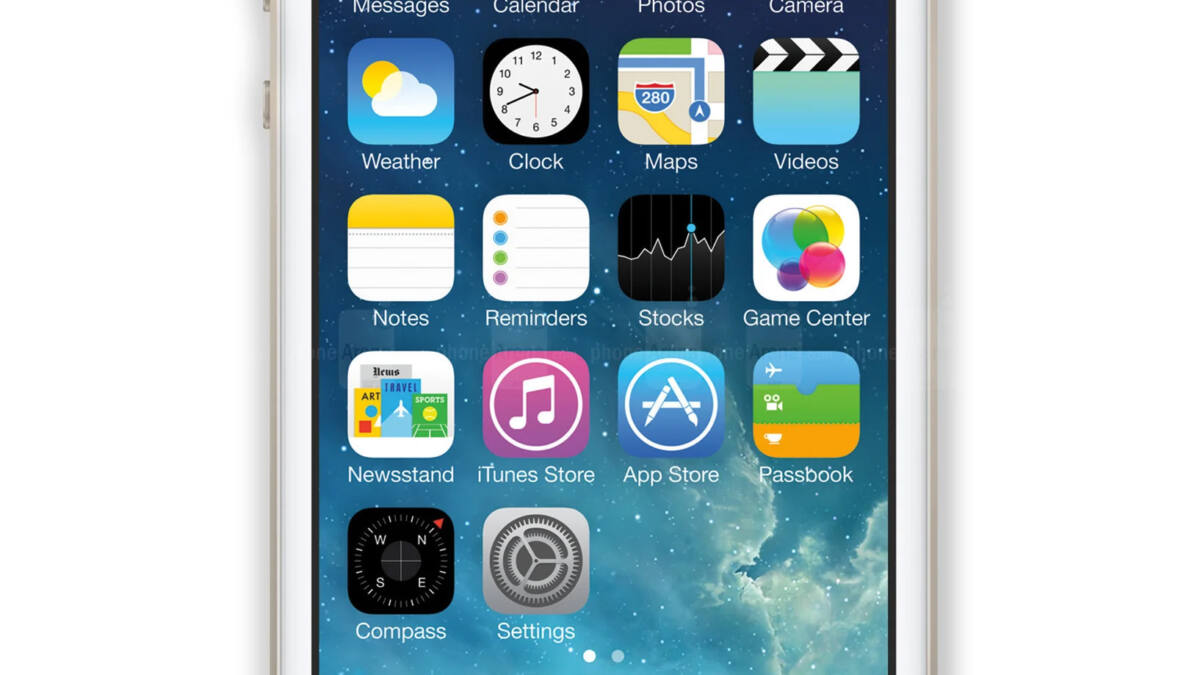
Moscow and St. Petersburg haven’t just become hubs for new iPhone launches – they’re also the hotspots for a surprisingly large second act: millions of people, especially teenagers, are using decade-old Apple phones. That shift tells us something about price pressure, fashion, repair culture and the afterlife of modern gadgets.

Mobile operator analytics show the trend in blunt numbers: iPhone models released before 2013 make up 76% of all active retro gadgets on the Russian networks, and the single most common vintage handset is the iPhone 5S, accounting for 65% of that old-device segment. The iPhone 5 follows at 16%, iPhone 4S at 9.5% and iPhone 4 at 7.5%.
What the numbers hide
On the surface this looks like nostalgia: a retro aesthetic embraced by Gen Z. But the data carry a few less glamorous explanations. For teenagers aged 14-18 the count of such devices doubled last year; the 14-18 cohort now represents 14% of vintage-phone users, while 18-24-year-olds are 7% and the largest single age bucket is 25-44 at 15.9%. That split suggests both affordability and identity are at work.
At the same time, vintage popularity hasn’t stopped demand for new flagships. In 2025 Russians still bought 1.8 million new iPhones – mainly iPhone 15 and 16 Pro models – amounting to 158 billion rubles in sales. In short: people are buying both the latest and the oldest phones, not choosing one over the other.
Why this matters beyond nostalgia
There are three practical forces behind this revival. First, cost: older iPhones are cheap on the second-hand market, and that matters when new handsets stretch household budgets. Second, repair and parts networks in Russia have matured enough to keep phones that are a decade old working reliably. Third, fashion and online culture turned old devices into accessories – think of the metallic look of the 5S or the square, chunky appeal of the iPhone 4 – which feeds demand independent of technical capability.
None of these are mutually exclusive. A repaired iPhone 5S that costs a fraction of a new flagship and looks ”cool” for social-media photos is an obvious win for a cash-strapped teenager – and a steady revenue source for refurbishers and local repair shops.
What’s missing from the picture
Two big risks aren’t getting enough attention. Older iPhones stop receiving security and OS updates – the iPhone 5S, for example, is well beyond Apple’s current software support window – which exposes users to app incompatibilities and security holes. Second, grey-market parts and repairs can keep hardware functional but often at the cost of reliability and privacy.
Those drawbacks matter most for younger users who rely on phones for banking, messaging and social identity. Aesthetic coolness doesn’t protect against a compromised account or a broken camera when someone needs it most.
Who wins and who loses
Winners: independent repair shops, second-hand marketplaces, sellers of spare parts and anyone offering refurbish-for-style services. They capture margin that new-device channels can’t. Apple also wins indirectly: its brand remains desirable across price tiers, so the company benefits from long-term brand visibility even when it isn’t selling the handset directly.
Losers: security-conscious users and app developers who must contend with fragmented device fleets. Regulators and consumer-protection groups might also lose out if unsafe devices and unreliable repairs proliferate without oversight.
What comes next
Expect the vintage market to keep humming. If economic pressure persists, second-hand demand will stay high. If fashion cycles continue to favor throwbacks, the 5S and similar models will remain culturally relevant even as they technically age out.
Policy and product moves could change the balance. Apple could expand certified refurbishment or localized trade-in programs where practical; regulators could push for clearer repair standards and safer spare parts. In the absence of either, local repair economies and informal marketplaces will remain the default fix.
One final thought: the coexistence of strong new-device sales and a thriving vintage segment tells us something simple about modern tech markets – people want both status and thrift. Companies that ignore either motivation do so at their own risk.
Photo: phonearena