

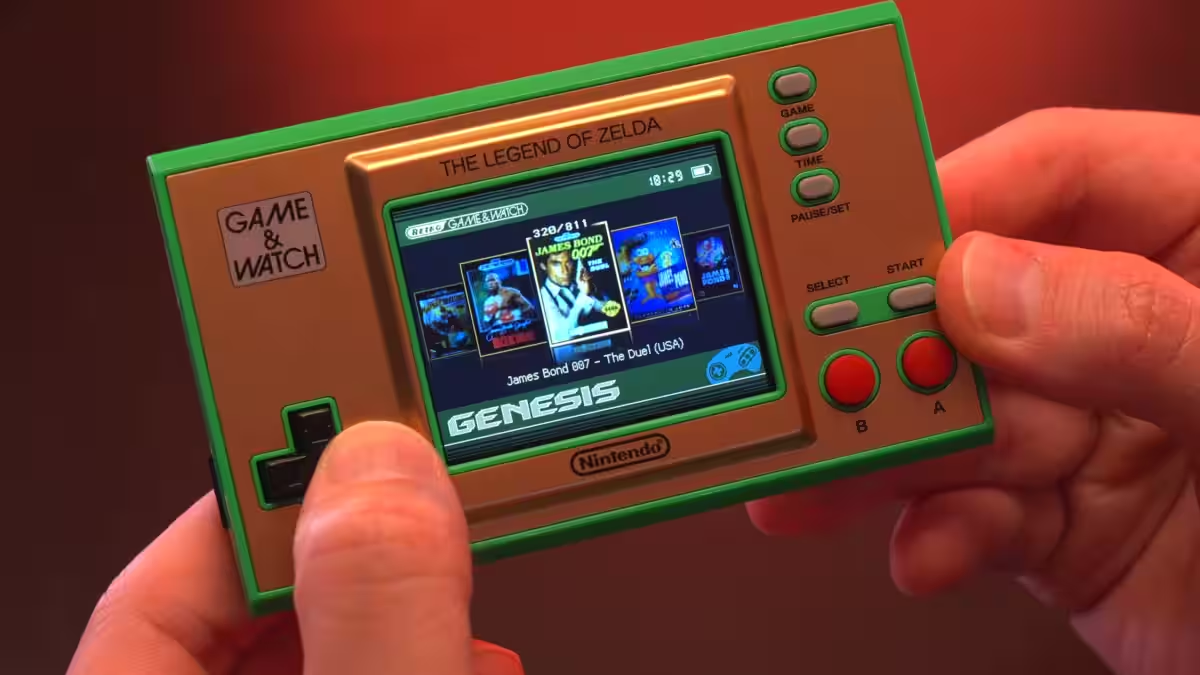
Nintendo’s nostalgia toys are meant to be cute, boxed reminders of gaming history. They’re not supposed to run Sega Genesis or TurboGrafx-16 games. Then again, that wasn’t the point – until hobbyists decided the point was exactly that.
The problem: small, locked nostalgia hardware
Modern collector reissues – like the Zelda edition of Nintendo’s Game & Watch – ship with a fixed set of content and no easy way to expand it. They’re charm-heavy but capability-light: great for display, limited for play. For retro fans who want a genuinely pocketable emulation experience, the market has two imperfect options: buy a purpose-built handheld or learn microsoldering to hack a novelty device into something more useful.
What actually happened
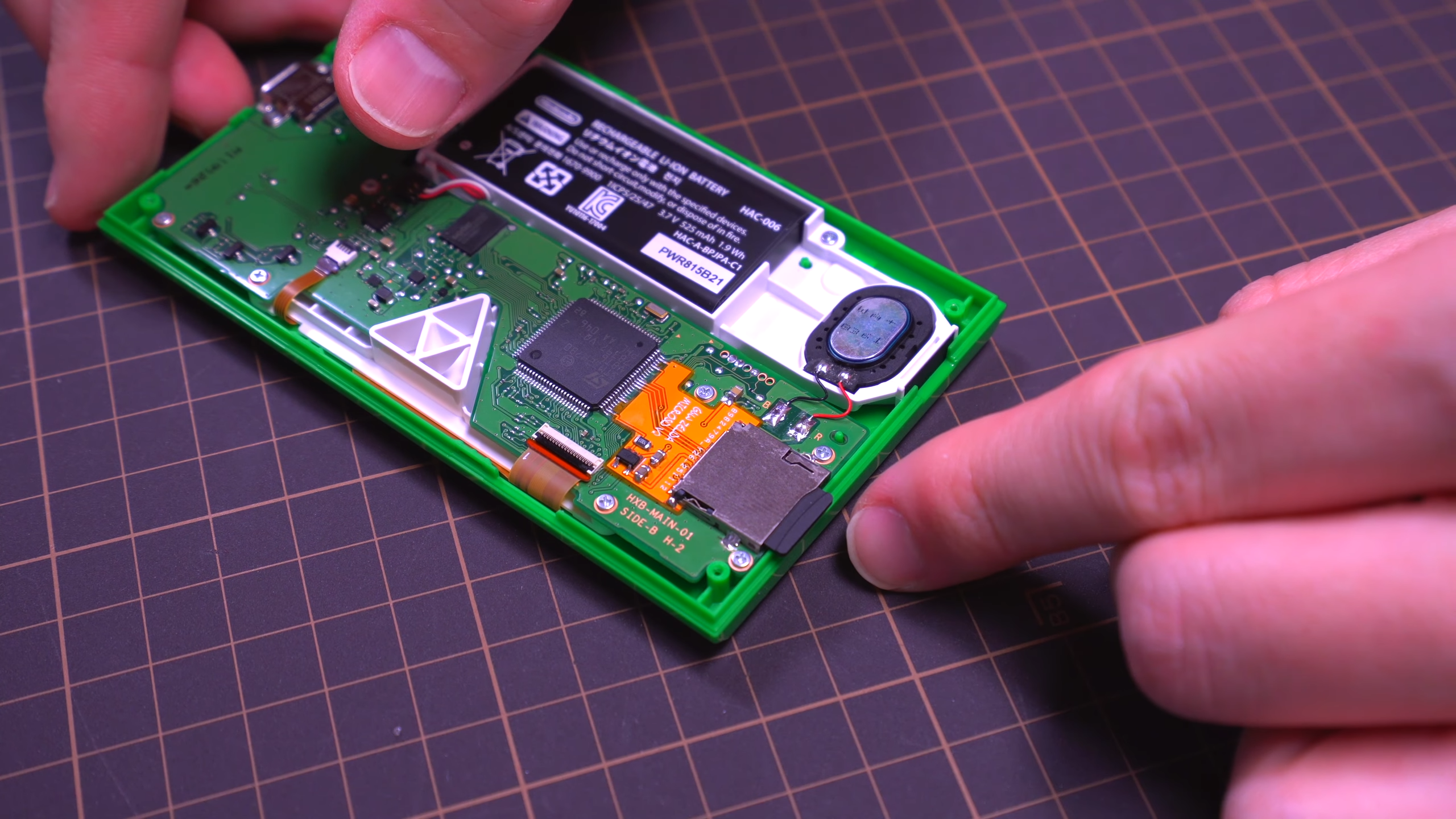
A hardware enthusiast known online as Macho Nacho took a Zelda Game & Watch, soldered an ST‑Link V2 connection to its motherboard to dump and reflash firmware, upgraded the memory chip, and added an external microSD card slot via a custom ribbon cable. On the software side he installed Retro‑Go – a community firmware that provides a modern UI and multi‑console emulation – then loaded ROMs onto the SD card. The result: a tiny handheld that can run everything from Sega Genesis to TurboGrafx‑16 titles, with save states and homebrew support.
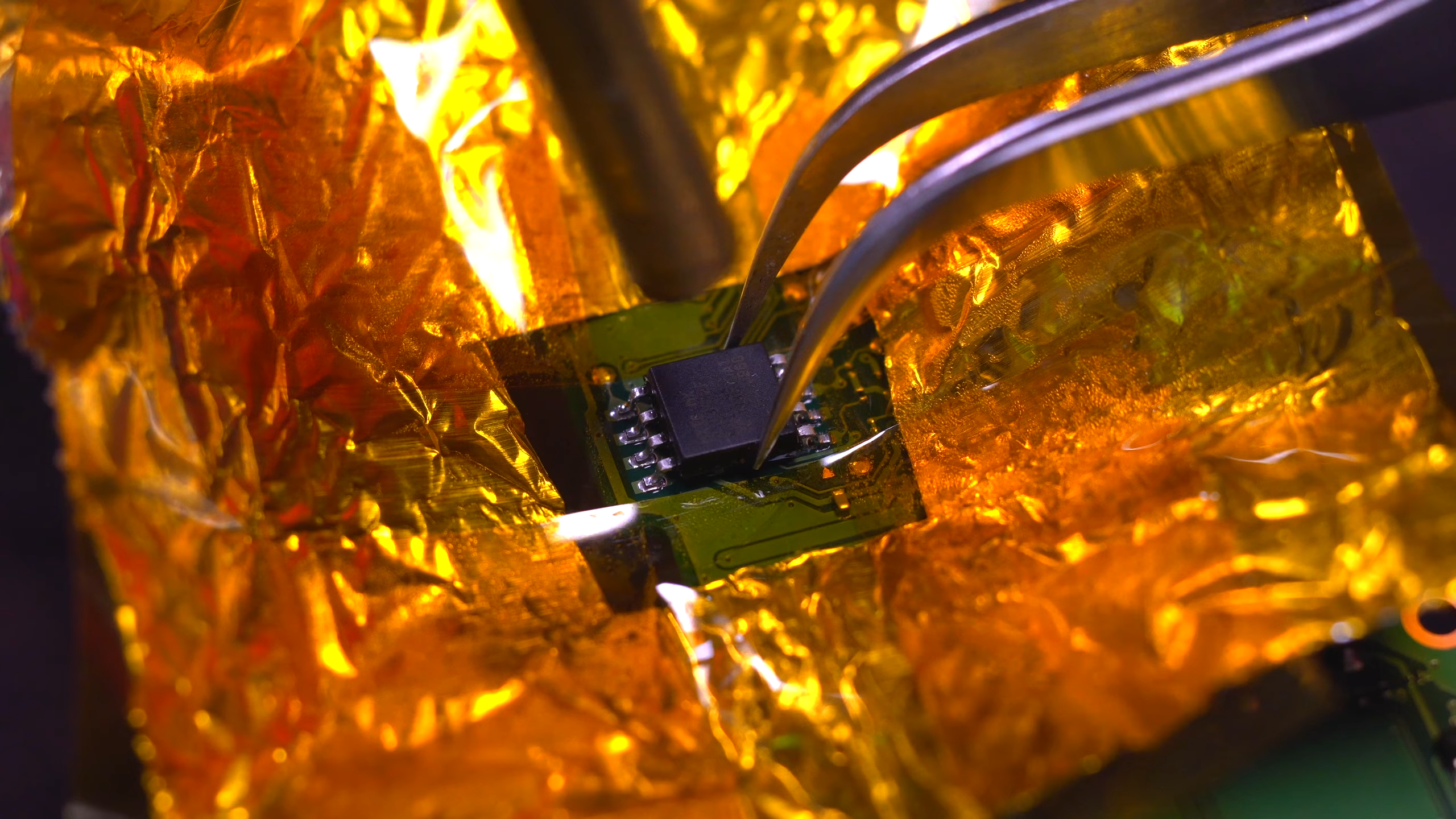
That transformation required hard skills – individual microsoldering of ribbon cable contacts, memory replacement, custom routing for the SD slot and an external cutout in the shell using 3D‑printed jigs – but it also shows how mature the modding ecosystem has become. Tools, firmwares and printable templates exist so a determined hobbyist can reshape a sealed device into a full‑blown emulator.
How this fits into a bigger trend
This isn’t a one‑off. For years the retro community has been modifying small handhelds and consoles – and the market of ready‑to‑use alternatives has exploded. Devices such as the Miyoo Mini and multiple Anbernic models ship with broad emulator support and SD slots out of the box. Those products are typically more powerful and less fragile than a hand‑soldered mod, but they lack the official nostalgia packaging and the headline appeal of a branded reissue.
At the software level, community projects like Retro‑Go and other open firmwares are why these conversions are possible. They provide the UI, the emulator frontends and the tools to map controls and save states – everything a small display and modest CPU need to feel polished. Meanwhile, the rise of inexpensive programmers, microsoldering tutorials and 3D printing has lowered the technical bar for hardware hacking – at least for those willing to learn fine soldering.
Who wins and who loses
Winners: the modding community and consumers who want a novel pocket device that actually plays a broad library of retro titles. There is also a small aftermarket of people who will perform these mods or sell pre‑modded units.
Losers: collectors who bought the sealed nostalgia product and prefer unmodified originals, and companies that want tight control over their IP and user experience. Nintendo, in particular, has historically enforced ROM distribution rules aggressively; a device that can read arbitrary ROMs blurs the line between celebration and infringement. And hobbyists who lack microsoldering skills lose out – this kind of mod isn’t for novices.
What the companies are missing
Nintendo markets these reissues as premium nostalgia items, but their rigid software and limited storage ignore a clear customer desire: a pocketable device that actually behaves like a portable emulator. Competitors have answered that demand with purpose‑built hardware that supports SD cards, broader emulation and community firmware. If Nintendo wanted to capture that segment without giving up control, it could ship future reissues with official expansion options or a more flexible firmware model – or it could keep producing collectible toys and accept that the community will repurpose them.
Risks and caveats
Modding carries real downsides. Microsoldering can brick a device. Warranty is void. Battery life after a heavy emulation workload is uncertain compared with the stock unit. And while flashing your own firmware and running homebrew is technically feasible, loading commercial ROMs raises legal exposure – something Nintendo and rights holders have pursued in the past.
The verdict and what comes next
Turning a Game & Watch into a pocket emulation powerhouse is a neat demonstration of community ingenuity and a public nudge at manufacturers: if you want players to buy your nostalgia hardware, give them more than a static museum piece. Expect more hobbyists to target small branded devices as canvases, and expect the aftermarket that supports them to grow – unless rights holders respond with legal or technical countermeasures.
For now this is where collectors, hardware hobbyists and the retro market collide: a tiny, iconic Nintendo relic made useful again by people who prefer function to form – or at least want both.