

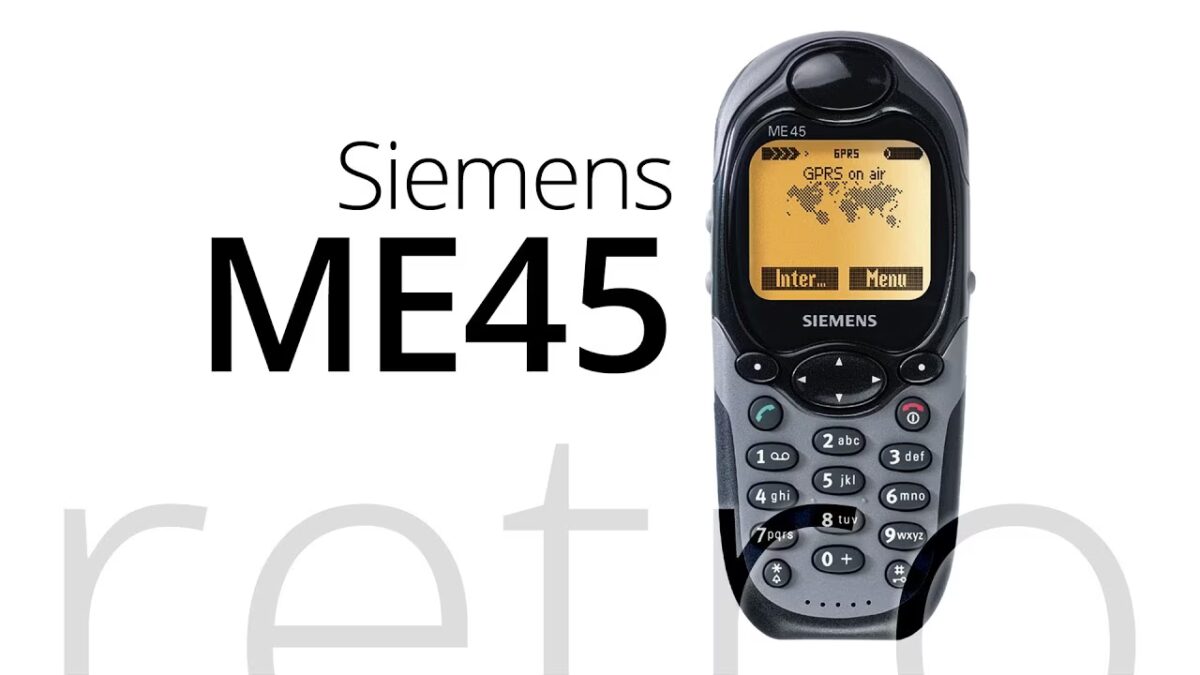
In 2026, amid widespread use of neural interfaces and foldable displays, a curious thing is happening: search queries for classic phones like the Nokia 3310 and Siemens ME45 are trending worldwide. In an era of terabit wireless speeds and augmented reality, why are people still chasing devices that struggled to display pixelated versions of ”Snake”?
The answer is simple: today’s smartphones have largely become indistinguishable glass rectangles, while early 2000s phones were statements of character. We don’t remember those devices for their processor cores but for the satisfying click as they closed, their glowing LEDs in the dark, and their uncanny resilience against drops on asphalt without a scratch. It was a time when engineers ruled design and marketing hadn’t yet boxed phones into the minimalist ”bezel-less” mold.
Let’s retrace the rise and fall of these iconic phone brands that once dominated our pockets-and discover why their legacy still tugs at our nostalgia.
Nokia phones: the titan that fell from 40% market share
At its 2007 peak, Nokia controlled 40.4% of the global mobile phone market. Nearly every other phone worldwide was Finnish-made.
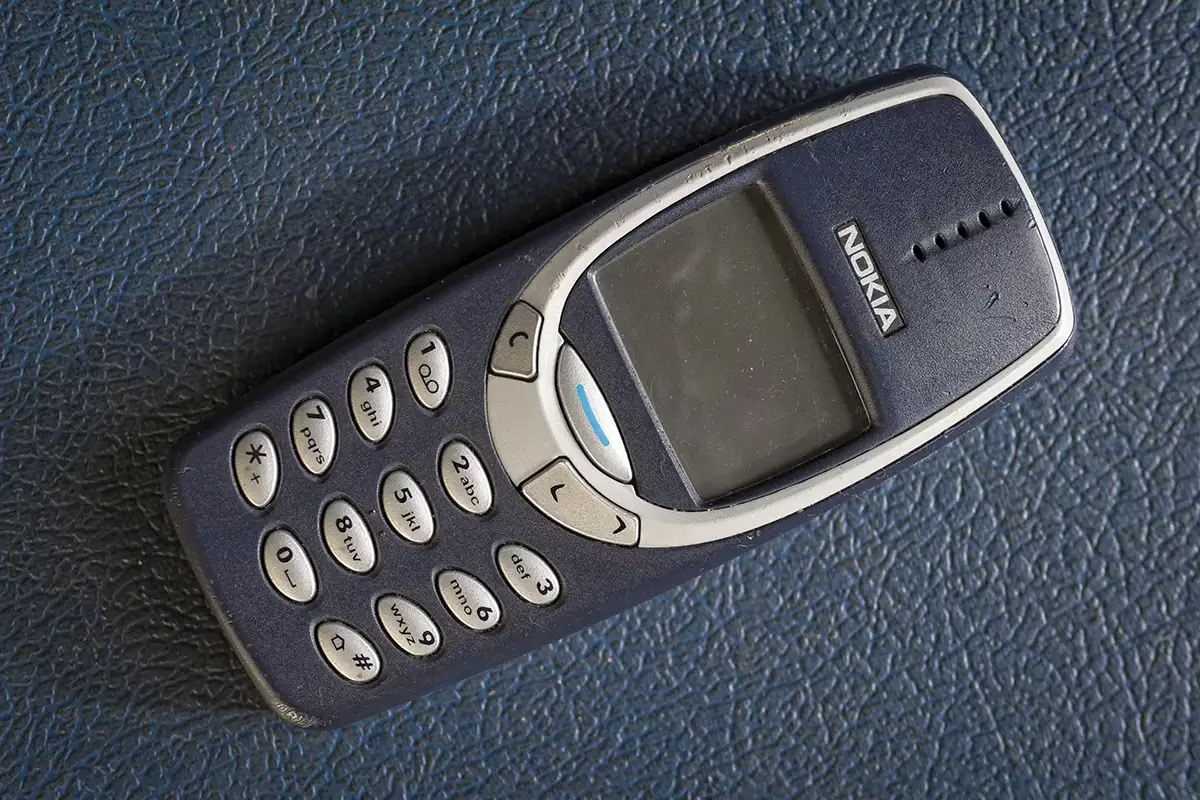
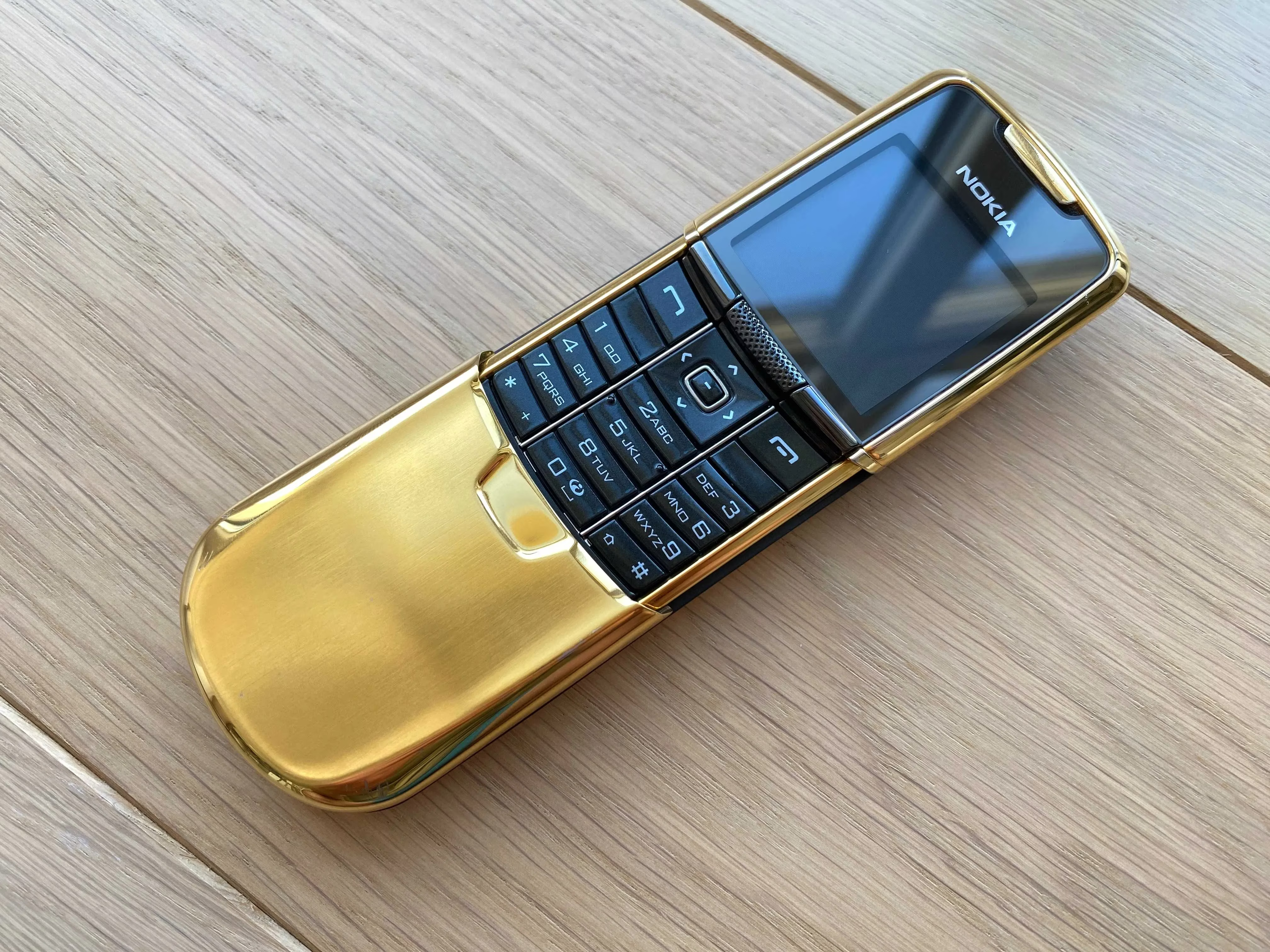
In Russia, Nokia was more than a communication tool-it was a symbol of reliability and success. Everyone had ”their” phone. The Nokia 3310 earned a cult reputation as the ”indestructible brick” long before memes became a thing. Teens coveted the music-centric 5310 XpressMusic with its vivid accents, while professionals flaunted the iconic ”banana” 8110 or the steel-chassis 8800. The sound of opening the 8800 is still likened to a luxury firearm’s chamber releasing, and collectors spend fortunes on these today.
Critical mistake: Corporate arrogance and the ”Symbian curse.” When Steve Jobs unveiled the first iPhone, Nokia’s leadership dismissed it as a button-less toy. Clinging too long to its aging Symbian OS, the brand lost ground. An alliance with Microsoft and a shift to Windows Phone only eroded Nokia’s uniqueness. Loyal fans drifted away as the brand lost its soul.
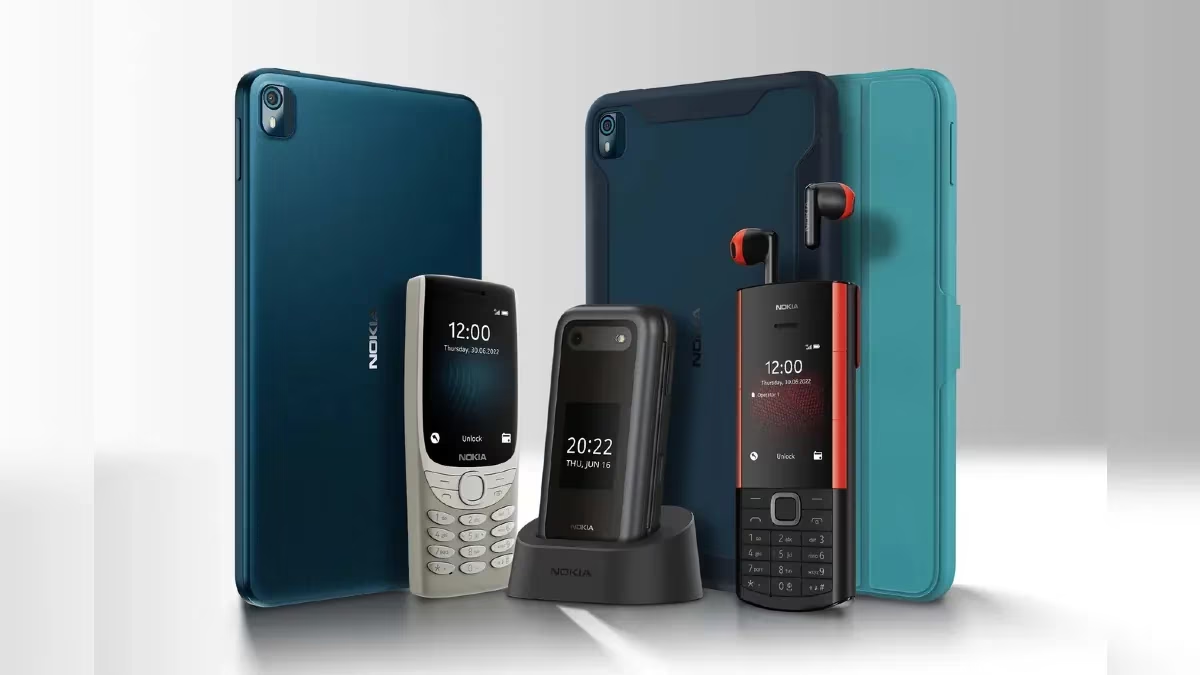
Status in 2026: Nokia is now a telecom infrastructure giant, behind much of the 6G routers and ultra-fast mobile internet in use today. Consumer phones carrying the Nokia name are produced by HMD Global, focusing on simple feature phones aimed at ”digital detox” and retro enthusiasts, alongside eco-friendly smartphones designed for user repairability.
Siemens phones: excellent German engineering that couldn’t save the brand
Siemens Mobile ranked fourth worldwide in 2004 but by 2005 was losing €1.5 million daily.
In Russia, Siemens had a reputation as a ”people’s phone.” While Nokia was seen as premium, Siemens offered technology at reasonable prices. The C55 with its cozy orange backlight is fondly remembered, but the ME45 ”bar of soap” stood out for its water resistance and ruggedness. The CX65 defined an era with its large screen and infrared sharing-hours were spent passing images by pressing handsets together.
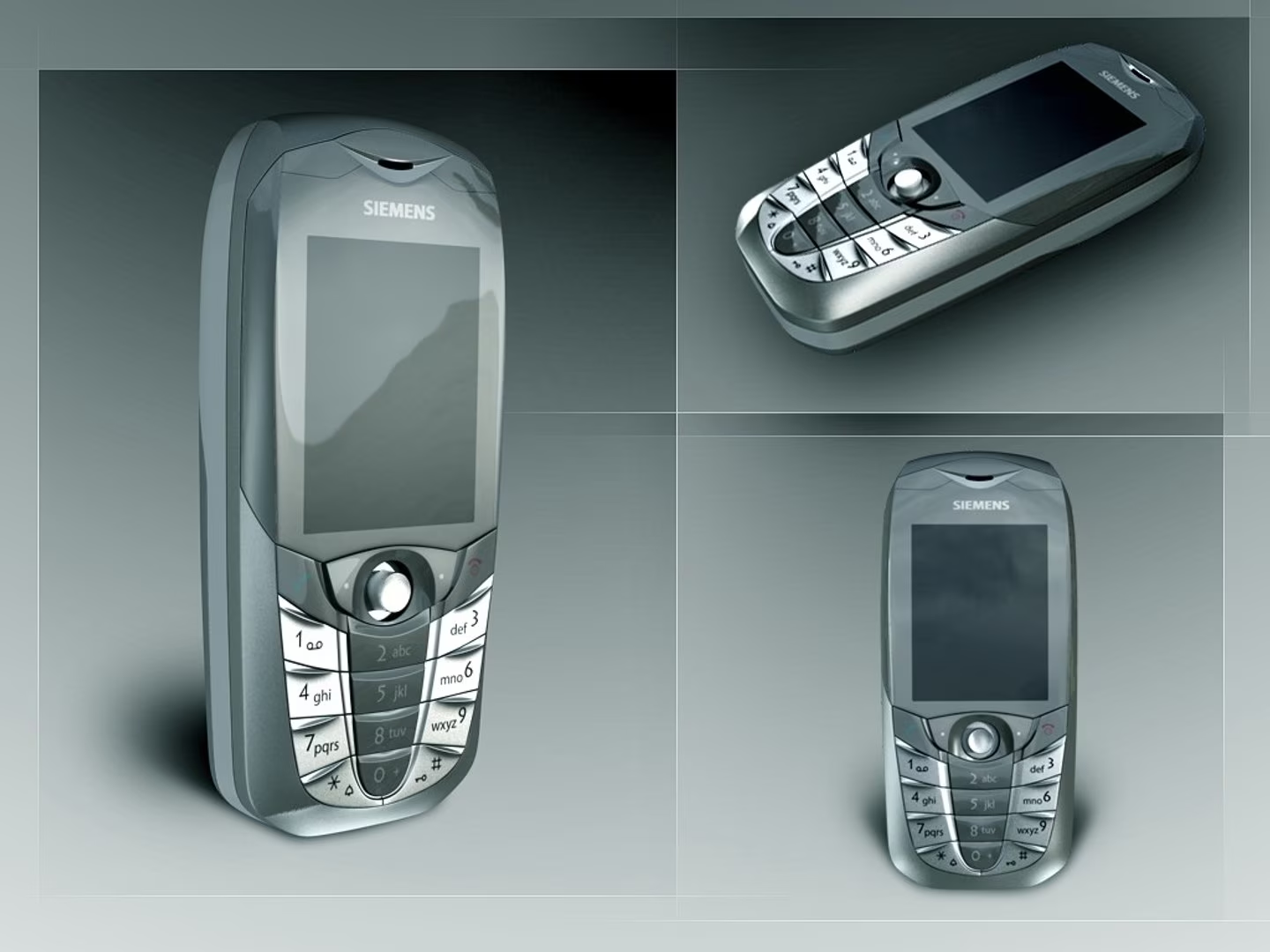
Siemens’ naming scheme reflected German order: A-series signaled budget options, C-series was solid mid-range for the masses, and the prestigious S-series represented technology leadership and business-class status. Adventure seekers chose the rugged M-series, while style-conscious users preferred sleek slider SL models. Just by looking at a phone’s code, you knew its rank and purpose.
Author
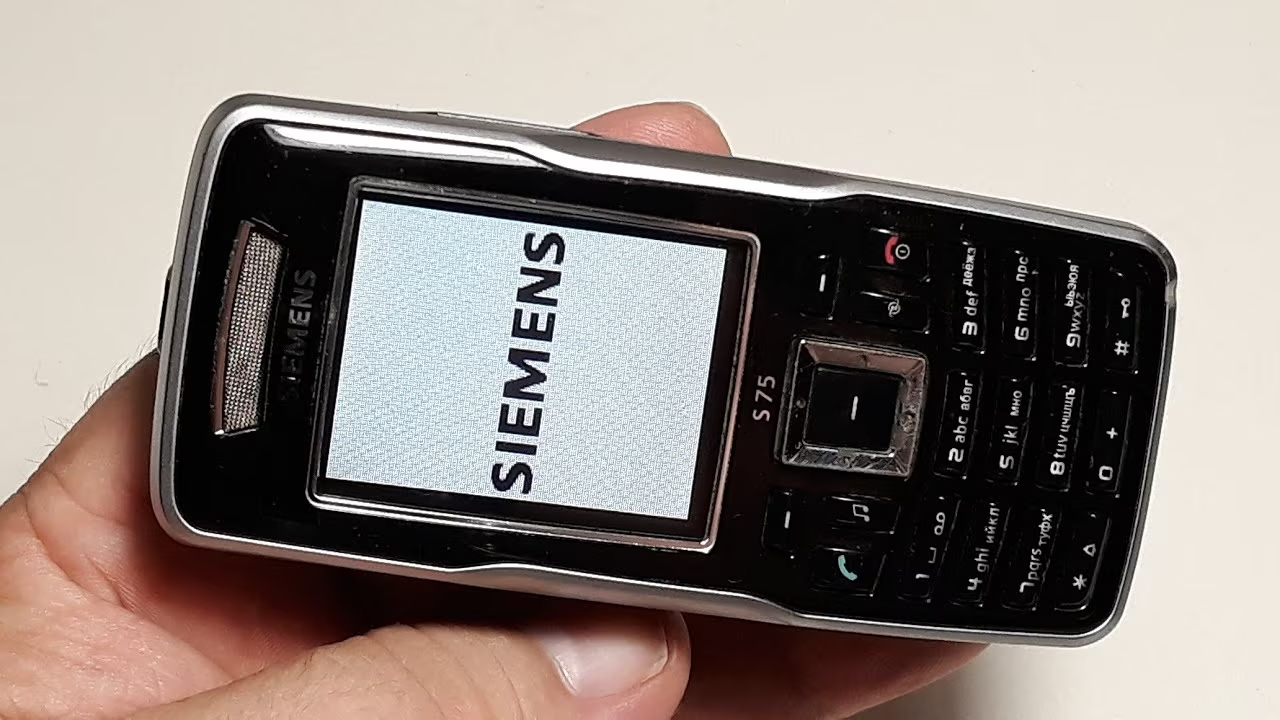
Key failure: Bureaucracy and internal chaos. While Siemens engineers built excellent hardware, software was always the Achilles’ heel. Glitches, freezes, and sluggish menus plagued later models. Missing trends for slim clamshells and quality cameras proved fatal. A failed attempt to revive the business by selling to Taiwan’s BenQ collapsed due to incompatible corporate cultures. Siemens’ once-legendary brand simply vanished.
Status in 2026: Siemens no longer has a mobile division or licensing for its logo on phones. Siemens AG thrives in industrial automation, medical tech, and high-speed rail. Its phones now only live in museums and collectors’ showcases as a reminder that even flawless engineering falls short without market adaptability.
Sony Ericsson phones’ breakup: the Swedish-Japanese phone romance lost
The Sony Ericsson K750i, the first phone with a 2MP camera and true autofocus, sold over 15 million units.
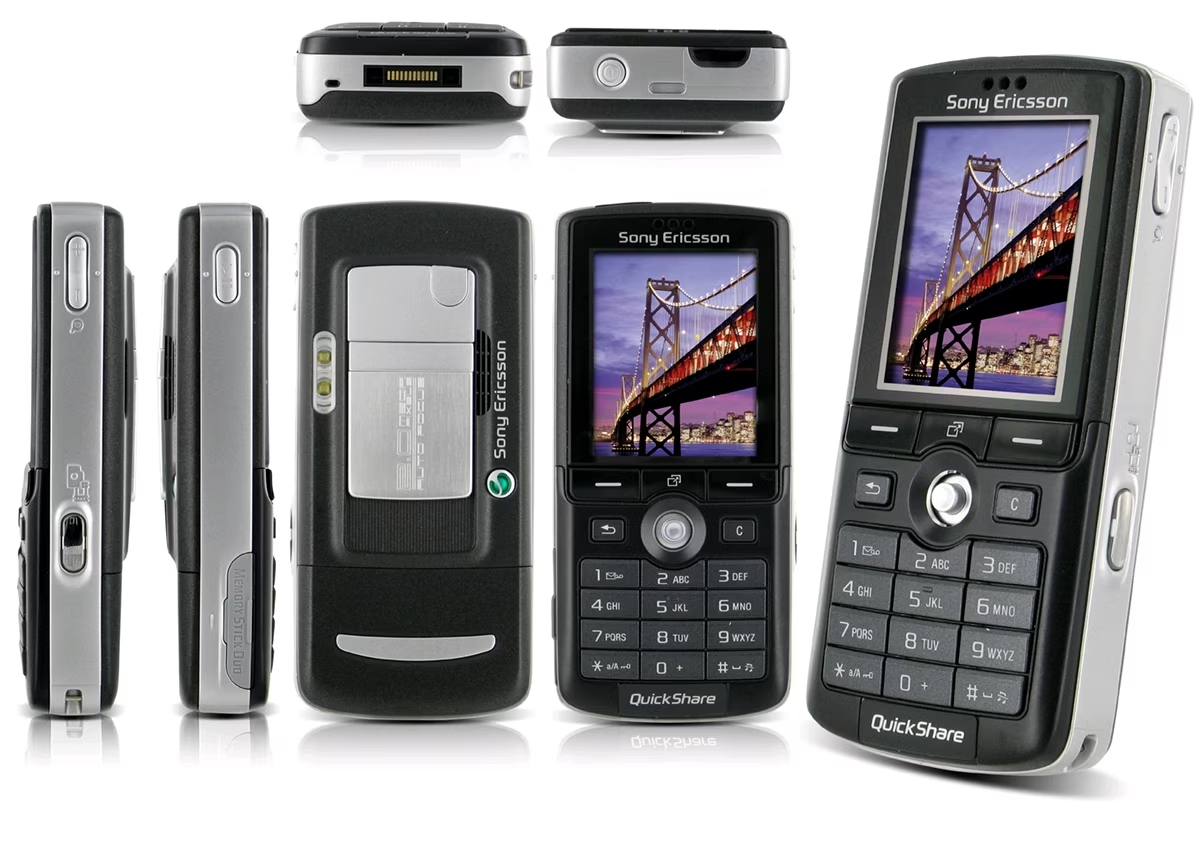
The 2000s union of Sony and Ericsson seemed perfect: Swedish telecommunications tech met Japanese multimedia design. The brand defined music phones with its Walkman series; models like W800i and W810i, complete with signature orange headphones, became legendary. The Cyber-shot series, including the K790i, convinced us a phone could genuinely replace a compact camera. In Russia, Sony Ericsson was adored for its aesthetics-these phones punched above their price in looks.
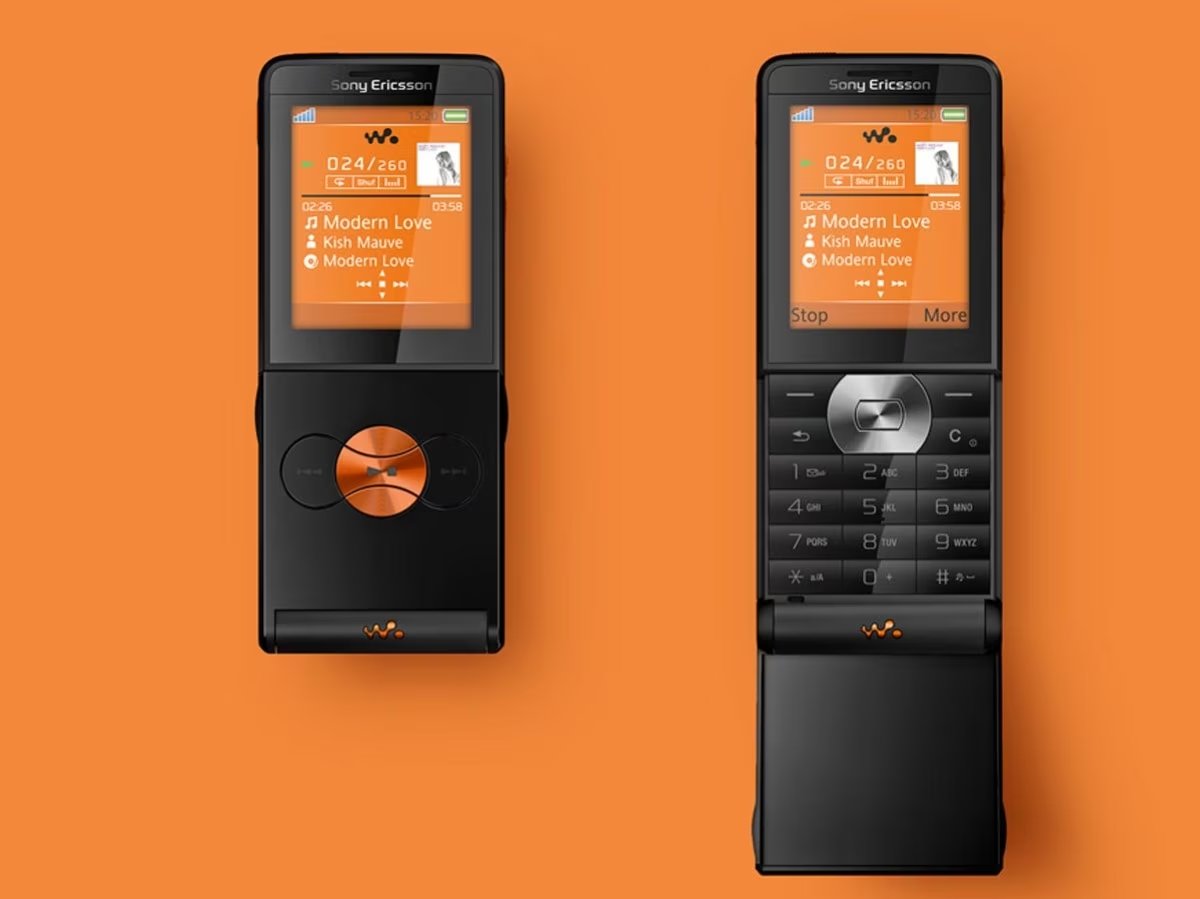
Fatal flaw: Internal competition and slow Android adoption. After nail-biting success with their feature phones, Sony Ericsson struggled with touchscreen dominance. Sony bought out Ericsson’s share in 2011, attempting to integrate phones with its Bravia TVs and PlayStation consoles. By then, Samsung and Apple had stomped the market, closing the door on Sony’s comeback.
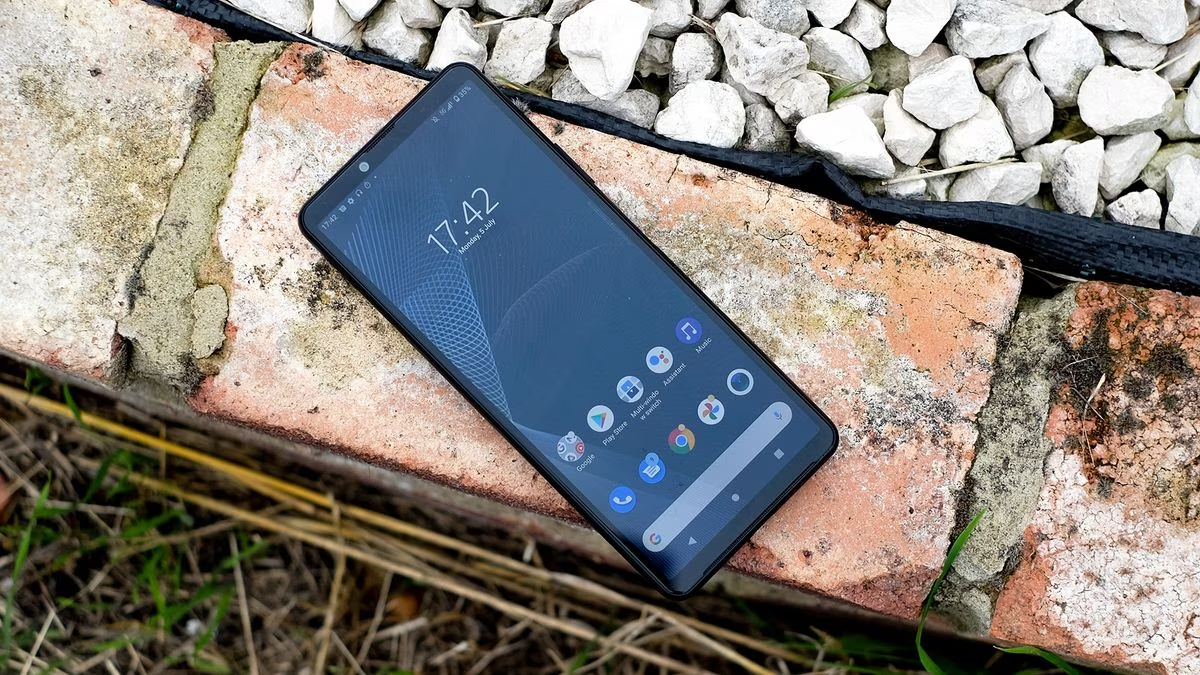
Status in 2026: Sony still makes Xperia smartphones aimed at a niche audience-professionals in photography and videography. They proudly keep headphone jacks and expandable storage, ignoring mainstream trends. This premium niche garners loyal fans but doesn’t threaten the top players.
Motorola phones: the comeback kid
Since 2004, the Motorola RAZR V3 flip phone sold over 130 million units, making it the most successful fashion phone ever.
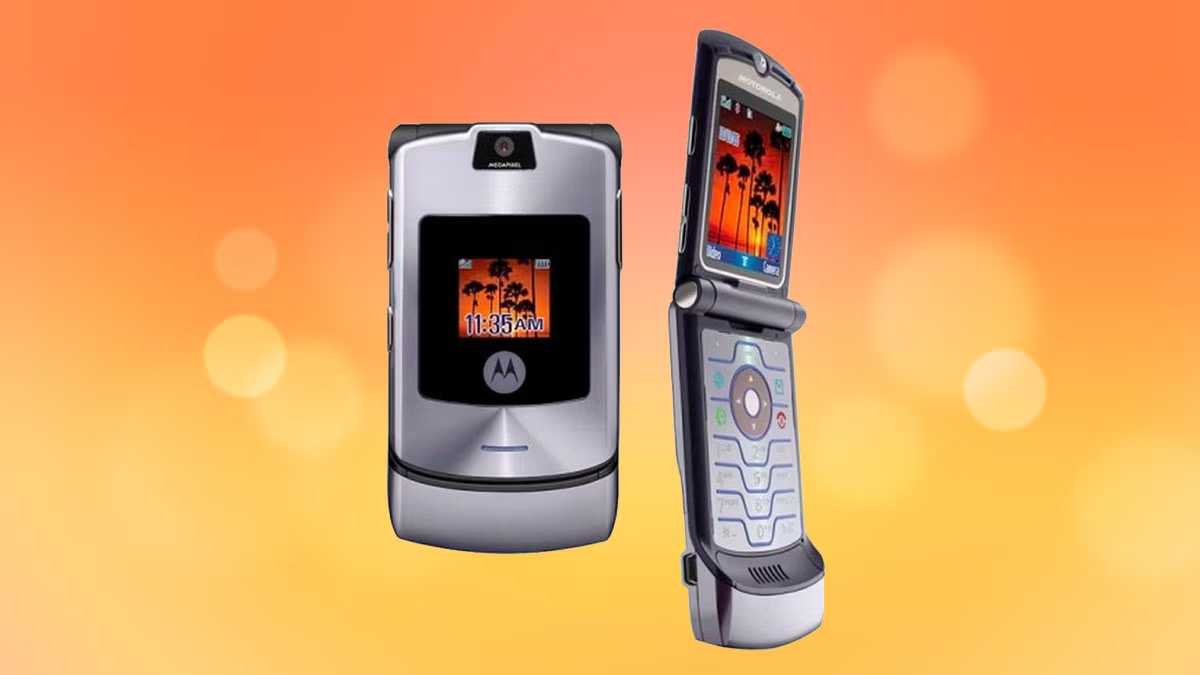
Motorola was synonymous with innovation, having created the first-ever mobile phone. In 2000s Russia, owning a RAZR V3 meant peak style. Its slim aluminum frame, cool metal keypad, and futuristic closing sound still evoke nostalgia. Models like the E398-with booming stereo speakers and colorful light shows-ruled school breaks and street hangouts.
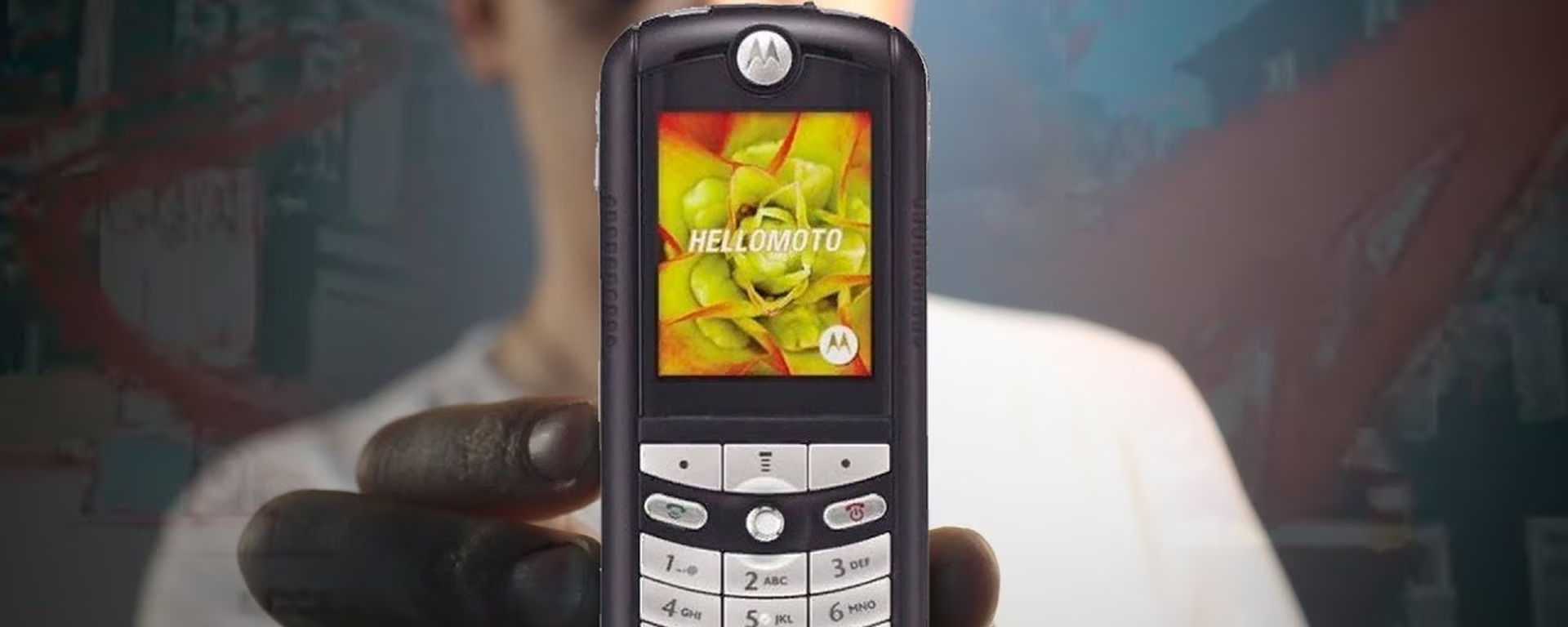
Core mistake: Over-reliance on one hit model. After the RAZR’s triumph, Motorola kept churning out countless V3 variants. When the market demanded fresh designs and smart features, they couldn’t deliver. The resulting slump forced sales to Google and later Lenovo.
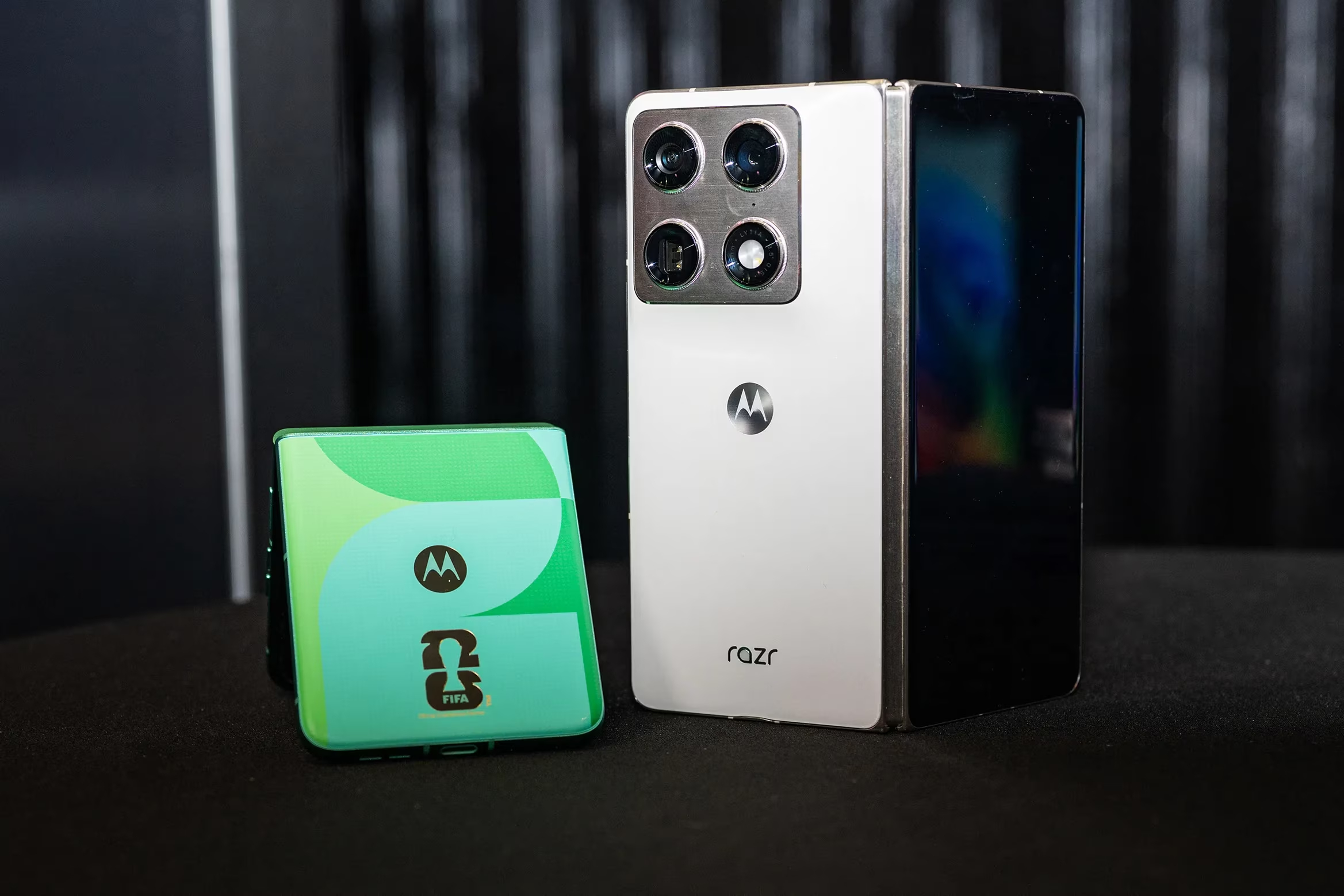
Status in 2026: Unlike the rest, Motorola is thriving under Lenovo. The RAZR line has been reborn as foldable smartphones with flexible displays, posing a legitimate challenge to Samsung’s foldables. Motorola strikes a balance between nostalgia and advanced tech, firmly positioned in the mid- to premium global segments.
HTC phones: Android pioneers mostly forgotten
In 2011, HTC’s market valuation surpassed Nokia’s, reaching nearly $34 billion.
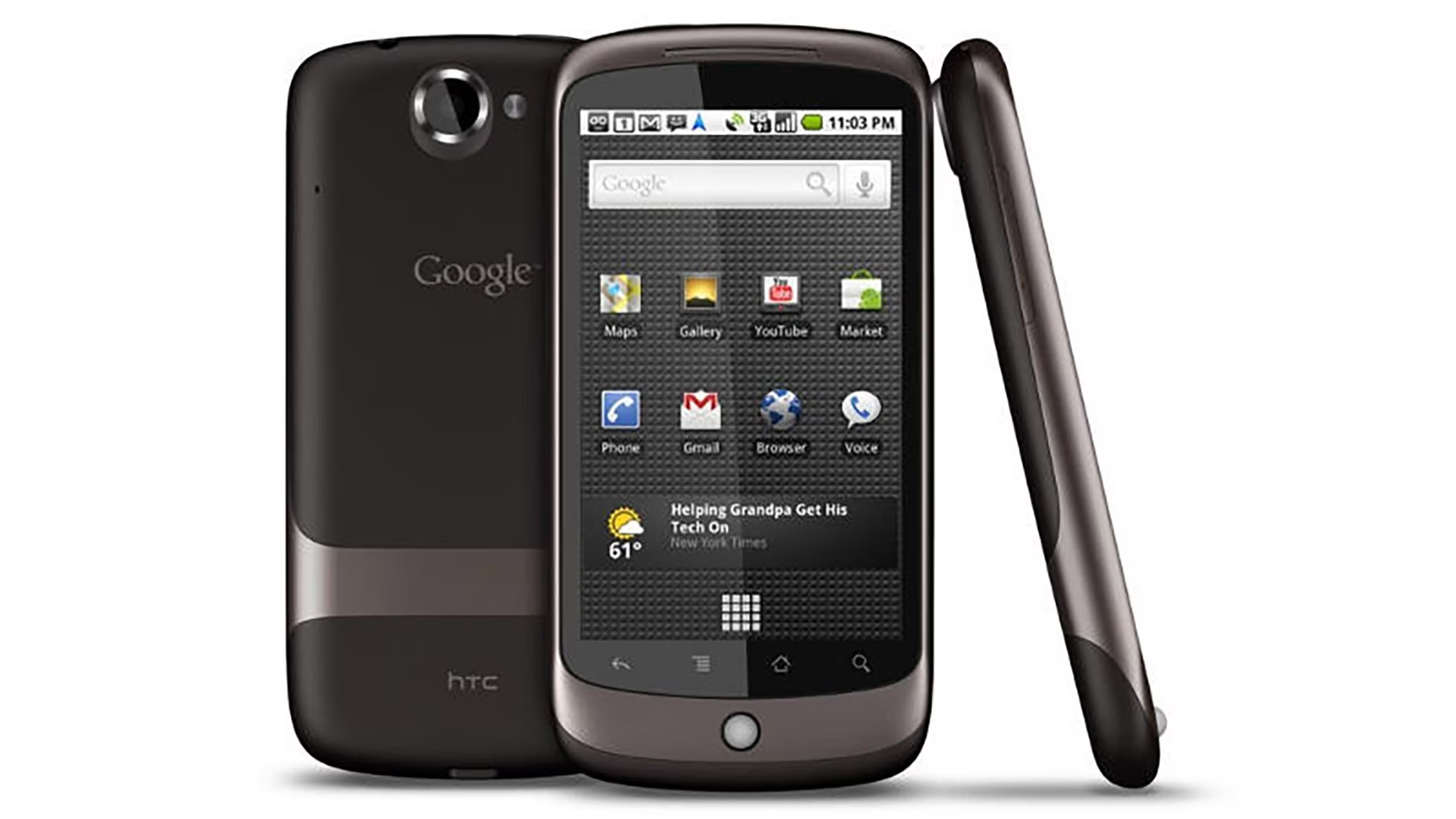
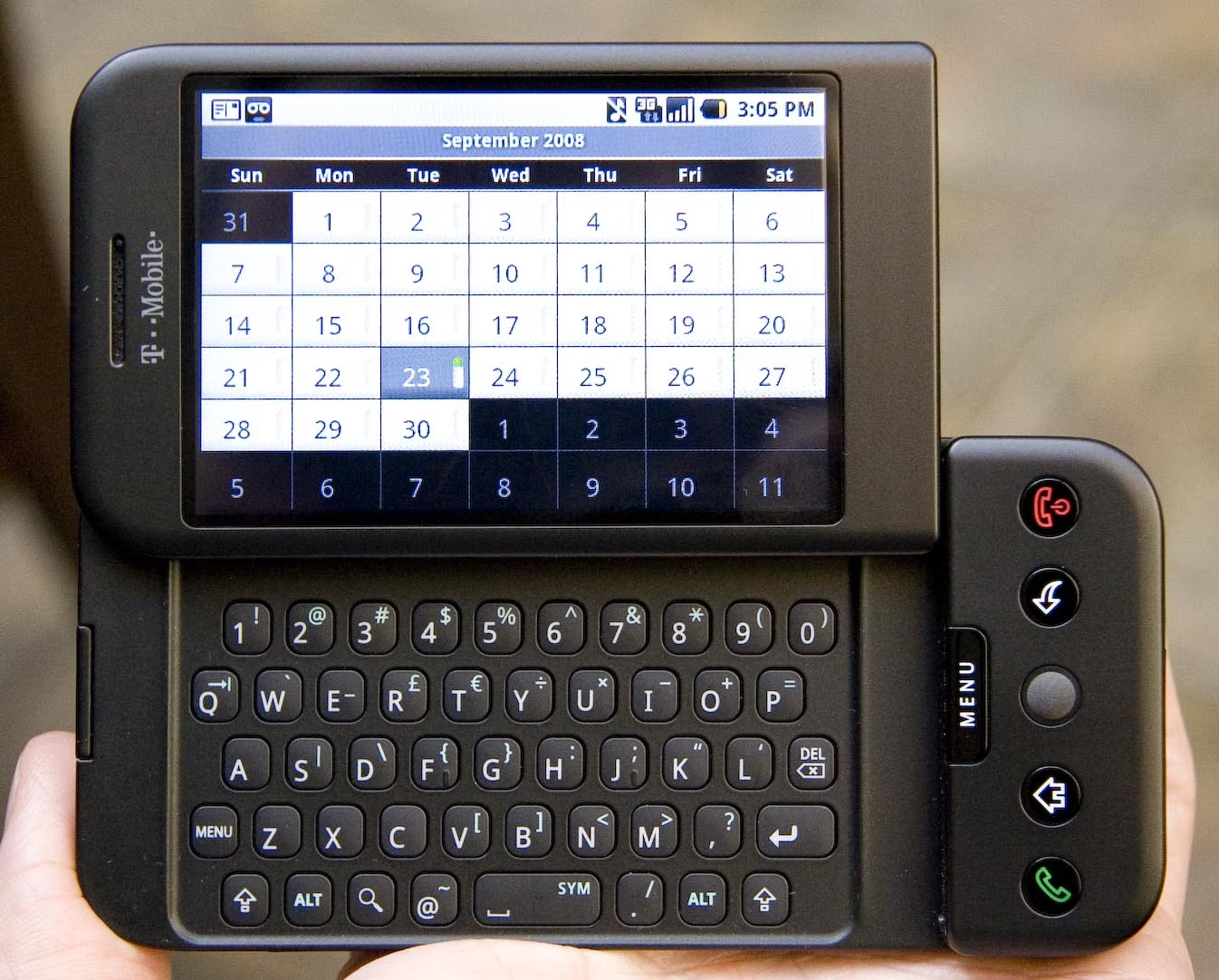
HTC literally taught the world Android by launching the first-ever Android phone, the HTC Dream, and Google’s first Nexus device. Russian tech fans revered the HTC Touch series with its iconic skin and the legendary HTC HD2. Enthusiasts even installed multiple different operating systems on the HD2 ten years after its release. The HTC One M7, with its unibody metal design and front stereo speakers, remains one of the most beautiful smartphones ever made.
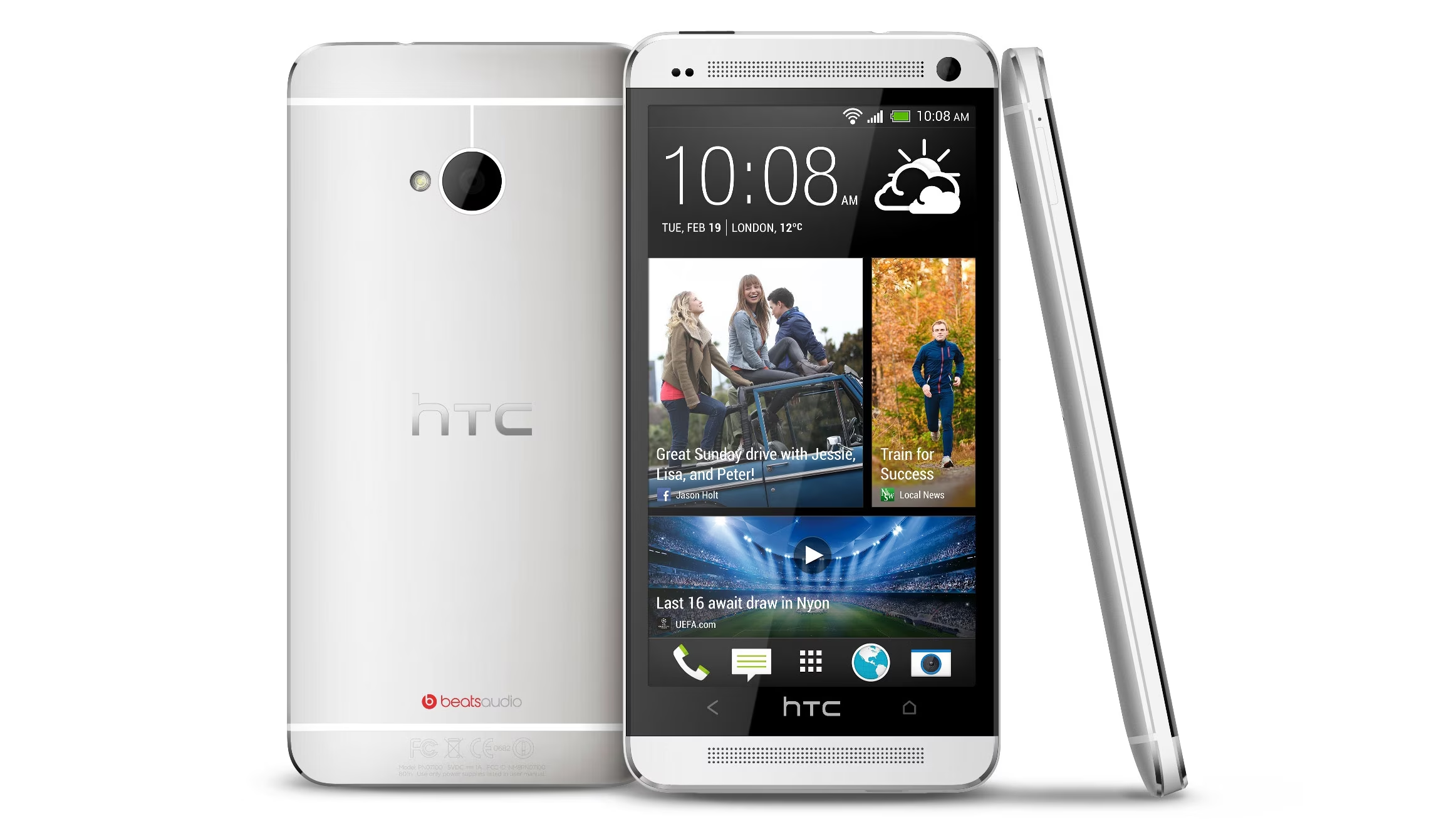
Key issue: Marketing missteps and cost-cutting at critical moments. While Samsung poured billions into aggressive ads, HTC competed on design and software. Battery life issues and overheating in some flagships damaged user trust. Google bought its top engineers, and HTC lost the resources needed to compete globally.
Status in 2026: HTC’s smartphones are now side projects supporting their Viverse metaverse ecosystem. The company is fully focused on VR and AR, with its Vive headsets considered industry gold standards. New phones are rare and mainly serve VR development or loyal fans. The ”Android king” lives on only in the memories of veteran geeks.
Common mistakes from legacy phone brands in 2026
The trajectories of these once-dominant brands reveal a common thread: they didn’t fail because of bad products but because they clung too long to their ”golden hits.” Nokia refused to drop Symbian, Motorola ran on RAZR nostalgia, and HTC believed a great product would sell itself without Samsung-scale marketing.
The biggest takeaway in 2026? Technology won’t forgive loyalty to outdated traditions that hamper function. We miss these brands because they offered choice. Today’s smartphone market has collapsed into homogeneity-devices from different makers look and perform nearly the same. Nostalgia for Siemens or Sony Ericsson is really longing for an era when buying a new phone was an event, transforming how you connected with the world, not just a minor processor upgrade.
FAQ about classic phone brands
- Is Nokia still around?
Nokia thrives as a global leader in network infrastructure. Phones branded Nokia are still made by HMD Global, mainly focusing on simple feature phones for ”digital detox” and eco-friendly smartphones with easy user repairs. - Can you buy a Siemens phone in 2026?
Only on the secondary market or at collector auctions. No new models have been produced for two decades. Boxes claiming new Siemens phones usually contain refurbished devices in non-original shells. - Will HTC make a mass-market smartphone comeback?
No full-scale return has happened. HTC focuses on niche VR and AR hardware. Its phones remain niche devices for developers and Viverse fans.