

Volvo’s latest sales figures reveal a company at a crossroads. While overall vehicle sales dropped 10% in early 2026-dragged down largely by tariffs and regulatory hurdles in the US-the Swedish automaker is doubling down on electric vehicles, with its new EX60 electric SUV generating demand that outpaces projections across Europe. This striking contrast highlights the tension between global trade headwinds and the surging appetite for EVs that Volvo is banking on to fuel its future growth.
Challenging US environment weighs on Volvo
Volvo sold 156,965 vehicles worldwide in the quarter ending February 2026, down 10% from the previous year. The biggest drain came from the US, where fluctuating tariffs-from 27.5% last year down to 15%, then back up again amid legal twists-have sown uncertainty. Former President Trump’s recent moves to reimpose and raise tariffs reflect ongoing trade tensions that complicate matters for automakers reliant on cross-border supply chains and markets.
These issues have hit Volvo’s profitability hard, with a 68% plunge in Q4 earnings following price cuts aimed at propping up sagging demand. The company’s shares have tumbled 25% year-to-date, signaling investor anxiety. Even so, it looks toward volume growth in 2026, though it cautions the outlook remains ”persistently tough.”
Electric vehicles as Volvo’s growth anchor
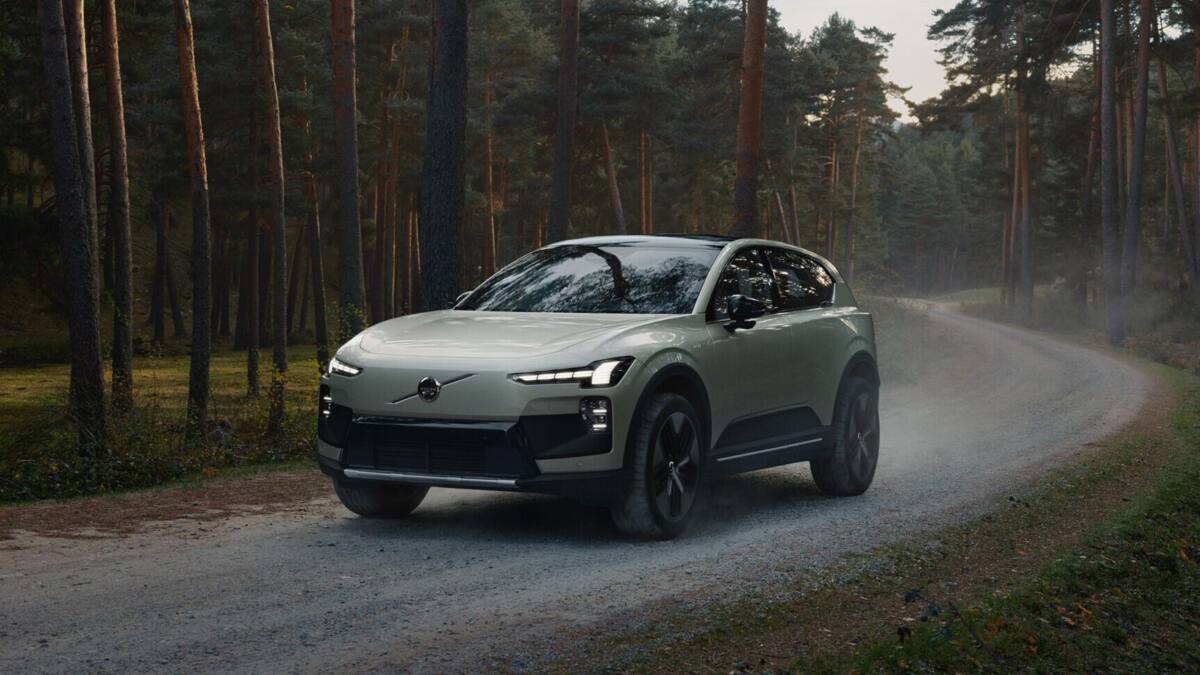
Where Volvo sees clear opportunity is in electrification. Battery-electric vehicles (BEVs) grew 18% during the quarter and now represent 25% of total sales. When combined with plug-in hybrids, nearly half of all cars Volvo sells are electrified. This momentum is underscored by the EX60, a mid-sized electric SUV launched just last month and already exceeding order forecasts across key European markets, including over 3,000 deposits from Sweden alone.
Erik Severinson, Volvo’s Chief Commercial Officer, described the unexpected surge in demand for the EX60 as a ”good problem.” The company is considering extending operations at its Torslanda plant-the first time ever it might add a summer workweek-to meet these orders, though it stresses a cautious ramp-up to maintain quality.
The EX60’s specs bolster its appeal: it offers up to 810 km of WLTP range, ultra-fast 370 kW charging supporting an 18-minute top-up, and a starting price near €63,000. Built on Volvo’s new SPA3 platform, it complements its siblings like the EX30, EX40, and larger EX90 in forming a competitive EV lineup.
High hopes meet US uncertainties
Despite impressive European performance, Volvo’s US market remains a critical question mark. The EX60’s order books in the US haven’t opened yet, scheduled for later in spring, while overall US sales are stagnating under tariff pressure and a general EV market slowdown. Volvo’s ability to replicate its European success stateside will be key to offsetting losses and recovering confidence among investors and customers alike.
This scenario reflects a broader pattern in the automotive industry: supply chain fragility and geopolitical tensions complicate growth strategies, even as electrification trends gather unstoppable momentum. Volvo’s calculated risk on the EX60 and its increased EV production may prove prudent, but it’s navigating a narrower path than many competitors in more tariff-friendly environments.
As the US market wrestles with tariffs and shifting consumer preferences, how well Volvo can translate European EV enthusiasm into meaningful American sales will likely shape its trajectory in the coming years. The EX60 might just be the make-or-break model for a company caught between a fractured trade landscape and an accelerating electric future.