

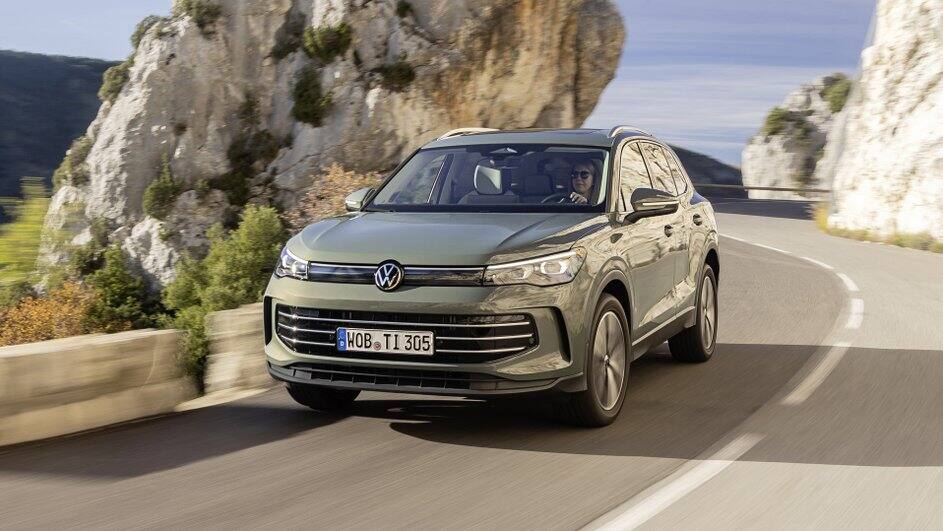
Volkswagen has announced plans to keep its Tiguan crossover in production through 2035, defying the current trend of swiftly retiring internal combustion models. This move ensures a steady supply of the familiar SUV for over a decade, with two significant refreshes scheduled to keep it competitive amid a rapidly electrifying automotive market.
Tiguan’s lifecycle extended with two staged updates
The first revision is slated for 2028, focusing mainly on refreshing the interior and upgrading software systems. Expect some tweaks to cabin ergonomics, possibly reintroducing more physical buttons amid the growing touchscreen trend, and minor exterior changes such as redesigned bumpers. These subtler updates suggest Volkswagen is aiming to maintain familiarity while addressing driver preferences for tactile controls.
The second, more comprehensive overhaul will arrive in 2031, promising a bolder redesign and significant powertrain changes. Industry speculation points toward electrification-either hybrid or fully electric models-to future-proof the Tiguan against stricter emissions regulations and shifting consumer demands. This strategic pivot aligns with Volkswagen’s broader push into electric vehicles without abandoning core mainstream models prematurely.
Why Volkswagen’s long hold on Tiguan is a savvy bet
Unlike some automakers rapidly discarding internal combustion engines, Volkswagen’s decision to sustain the Tiguan line through 2035 contrasts with the accelerating EV transition. However, the Tiguan’s consistent popularity globally-combining practicality, brand loyalty, and affordability-underpins the company’s confidence in extending its life. The staged updates help VW avoid the costly route of launching a wholly new model in a volatile market.
This approach also reflects a realistic cadence in automotive renewal cycles, where gradual updates can keep a model fresh while safeguarding profit margins. Given economic uncertainties and chip supply challenges experienced industry-wide, doubling down on a proven product like the Tiguan offers Volkswagen stability.
Still, Volkswagen will have to balance this with increasing competition from both established EV makers and emerging players offering electric crossovers that promise advanced tech and sustainability credentials. The 2031 upgrade’s electrification option may be crucial to maintaining the Tiguan’s relevance in markets where emissions rules tighten each year.
Whether this plan suffices in the long run or if the Tiguan will need a full redesign or electric-only spin-off remains to be seen. For now, Volkswagen underscores the crossover’s role as a reliable staple amid its evolving portfolio.