

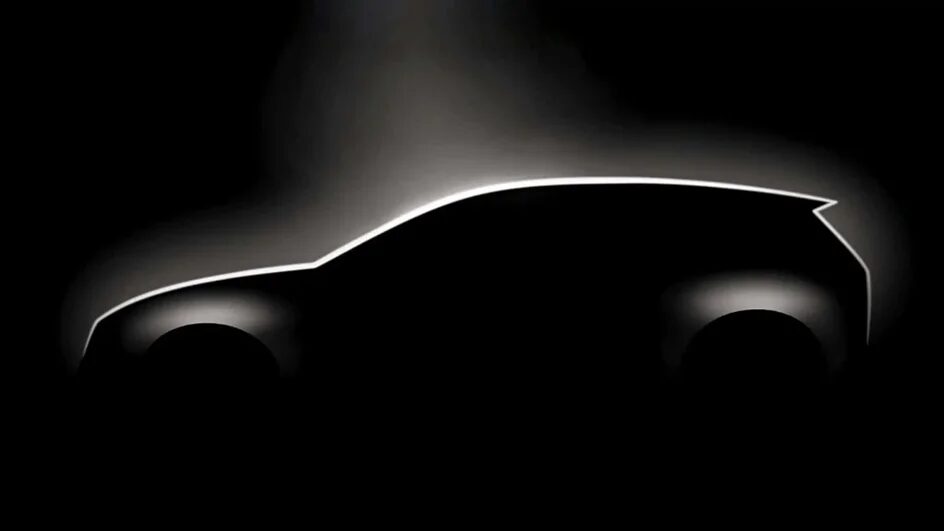
Volkswagen has lifted the veil on the ninth-generation Golf, revealing a silhouette that strongly echoes the styling of its seventh-generation predecessor. The glimpse was shared internally at a company gathering in Wolfsburg, sparking early impressions that Volkswagen is opting for a measured redesign rather than a radical overhaul.
The teased form suggests Volkswagen is moving away from the recent trend of drastically different designs between its combustion engine Golfs and the all-electric ID series. The so-called ID. Golf, previewed to arrive no sooner than 2028, promises continuity in design language rather than a radical departure. According to insiders, the internal combustion engine (ICE) model will not be immediately phased out and might even receive a significant refresh timed to overlap with the launch of its electric counterpart.
This restrained approach bucks the current industry obsession with constant reinvention and radical electric redesigns. Instead of creating two starkly different cars under the Golf name, Volkswagen appears to be pursuing coherence, which could make the transition easier for traditional customers wary of change.

Physical buttons make a comeback amid touchscreen backlash
Another detail emerging from Wolfsburg is Volkswagen’s decision to dial back on the all-touchscreen trend that has taken over recent car interiors, including some of its own ID models. The upcoming Golf will reinstate physical buttons on the steering wheel and dashboard. This move responds to consumer fatigue with touchscreen interfaces that can be distracting or frustrating, signaling a more user-friendly focus in the cabin design.
This shift aligns with a broader industry push to balance high-tech features with tangible controls, seen also in competitors like Ford and Toyota reintroducing tactile elements based on user feedback. For Volkswagen, reconciling heritage and digital integration seems to be a key theme for the Golf 9, blending the familiar with modern upgrades.
Context: The Golf’s enduring role amid shifting automotive priorities
The Golf has long been Volkswagen’s cornerstone compact car, setting benchmarks in driving dynamics, practicality, and widespread appeal. However, the industry around it is rapidly evolving with aggressive electrification goals and changing consumer preferences toward SUVs and crossovers. Volkswagen’s cautious stance with the Golf 9 signals recognition that brand loyalists still want familiar design cues and functional interiors while the market experiments with new propulsion systems.
Volkswagen’s planned delay for the electric ID. Golf also reflects the challenges automakers face in balancing innovation speed with market readiness. By holding off until 2028, Volkswagen might gain time to refine battery tech and charging infrastructure while maintaining a combustion model that has yet to be fully supplanted by electric alternatives.
Golf fans can likely expect an evolution rather than a revolution in 2024, with the ninth-generation model emphasizing continuity, improved ergonomics, and perhaps deliberate technological restraint. It’s a pragmatic approach that contrasts with some rivals rushing full steam into electric-only, touchscreen-heavy interiors.