

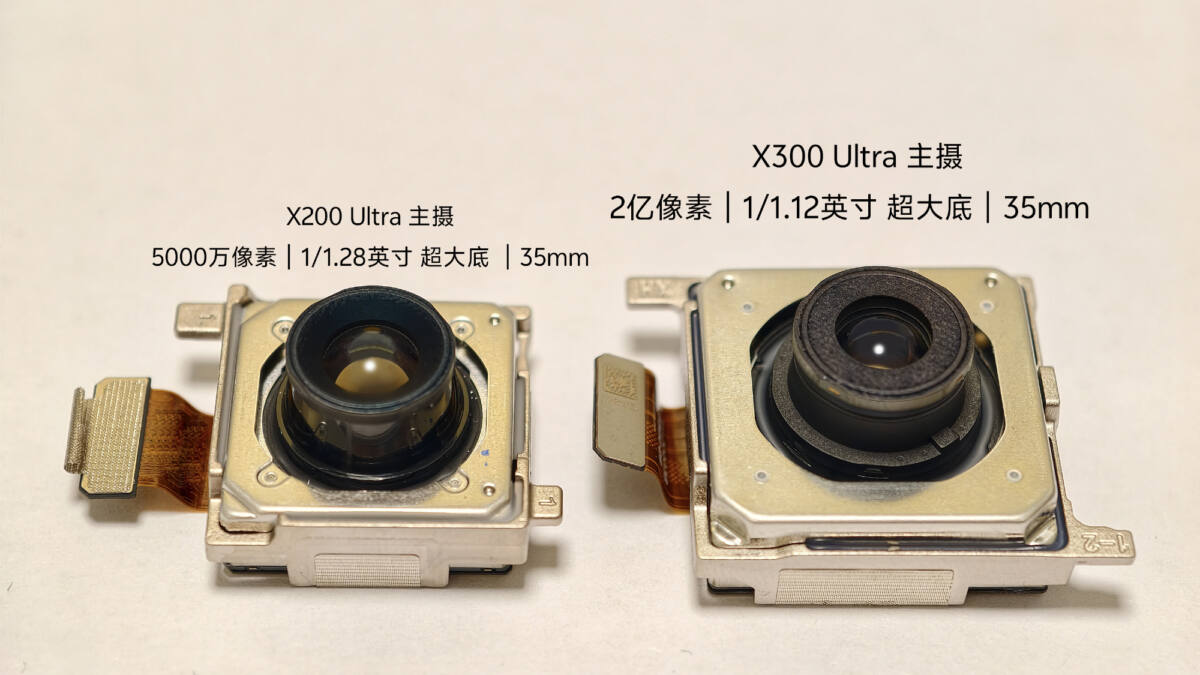
Vivo has unveiled clearer technical details about its new X300 Ultra smartphone, revealing it will feature the globally debuting Sony LYT-901 200MP sensor paired with substantial improvements in lens design and stabilization. This flagship aims to push mobile photography forward with a refined 35mm focal length setup and enhanced light capture, positioning the X300 Ultra as a contender for serious photo enthusiasts and content creators.
The camera’s 35mm focal length targets street and documentary shooters who favor natural perspectives with minimal distortion-a shift from the often exaggerated zoomed-in lenses on many flagships. Vivo highlights the sensor’s size, measuring a hefty 1/1.12 inch, which allows for over 30 percent more light per pixel compared to its predecessor. This sensor size, combined with the 200MP resolution, suggests Vivo’s focus on capturing highly detailed and vivid images even in lower light.
Beyond the sensor, Vivo has revamped the lens architecture. The older 7P lens configuration is replaced by a 1G + 6P setup, combining glass and plastic elements for improved sharpness and reduced optical flaws. It also includes ALD PRO coatings that slash reflections by 30 percent, alongside treatments to minimize ghosting and boost clarity under tough lighting conditions. Stabilization has notably increased from a CIPA rating of 5.0 to 6.5, promising steadier shots and smoother video performance when shooting handheld.
Expanding the camera arsenal and pro photography ambitions
While the spotlight is on the primary camera, the X300 Ultra is rumored to bring other camera innovations. It may feature a 50MP Sony LYT-828 ultra-wide sensor and a 200MP Samsung HPB periscope telephoto lens. The latter, alongside a 5MP multispectral sensor intended to enhance color accuracy, signals Vivo’s goal to push versatility and color fidelity. The front camera is expected to boast a 50MP autofocus sensor for sharp, clear selfies.
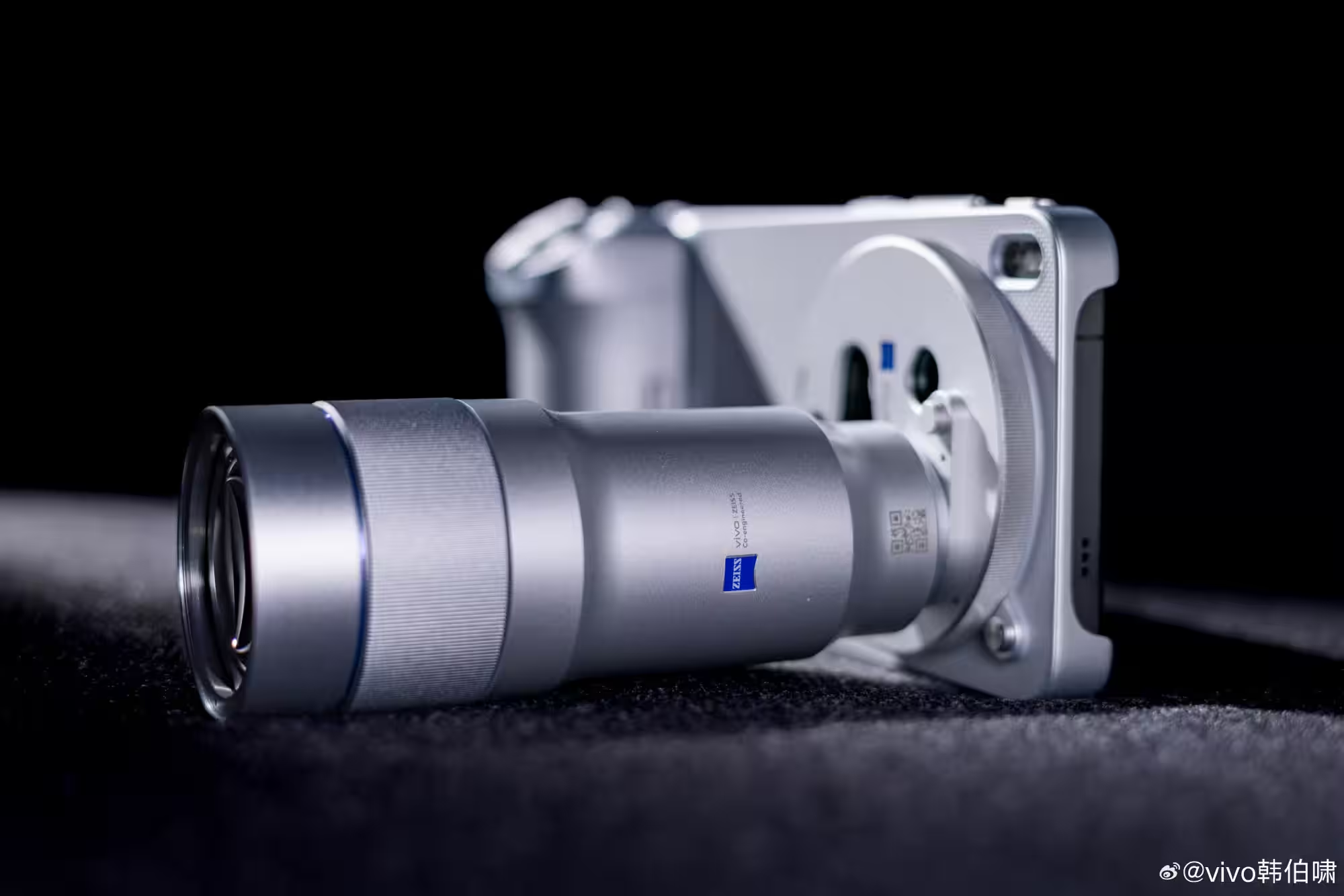
At Mobile World Congress 2026, Vivo displayed an optional 400mm teleconverter kit that enables an impressive 17x optical zoom, targeting professional photographers and creators seeking extreme reach. Additionally, leaks hint at a future teleconverter accessory tailored to casual users who want enhanced zoom without bulky equipment, reflecting Vivo’s strategy to cater to both pro and everyday photography demands.
This approach contrasts with many rivals focusing on huge megapixel counts alone. Vivo’s combination of sensor size, refined optics, enhanced stabilization, and professional-grade accessories underlines a nuanced attempt to elevate smartphone photography in meaningful ways. Whether these features will translate into better real-world performance remains to be seen, but Vivo is undoubtedly signaling a more serious commitment to camera tech.