

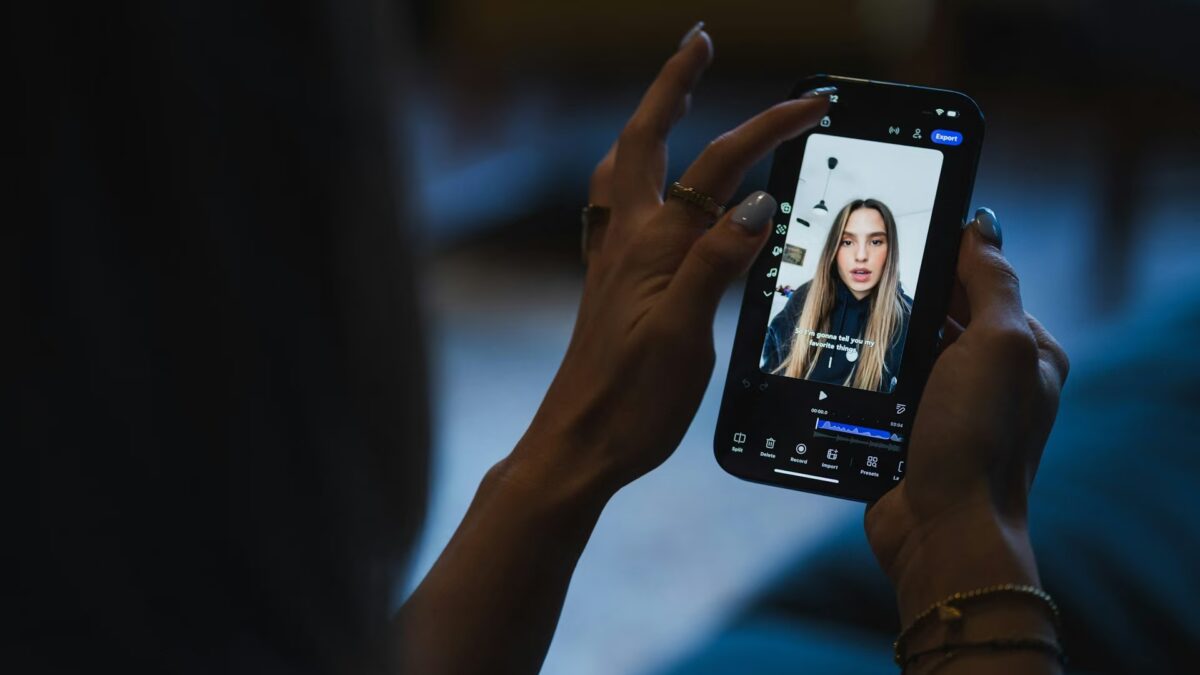
Vertical video formats are proving to be surprisingly effective for educational content, according to a new study by Vanta Group. The research reveals that 10% of viewers watch vertical video series specifically to gain new knowledge, and 12% tune in to derive lessons from the scenarios shown. These figures are notably higher than the general video audience, where only 8% watch to learn and 3% seek to draw conclusions, reports Telesputnik.
- 44% of children try new products or apps when recommended by influencers or streamers
- 73% of livestream viewers actively participate in chat, feeling involved in content creation
- Vertical series have twice the educational impact compared to average video content
How kids and teens shift from passive consumption to self-expression
Vanta Group’s research zooms in on young audiences, finding that children and teenagers view being mere consumers of content as a form of invisibility. They crave genuine interaction and the chance to influence what’s unfolding. User-generated content is no longer just a route to likes but a tool for expressing identity. The takeaway? Whether it’s games, apps, or services, interfaces must let kids participate actively rather than just passively consume.
The trusted figures for this generation remain close adults and popular influencers. Yet, streamers sharing the same digital space as kids earn greater trust than outside professional experts. The numbers back this up: 44% of children are open to trying products their favorite bloggers or streamers recommend, and 73% of livestream audiences engage in chat conversations, feeling like co-creators of the experience.
Authenticity standards and brand strategies for vertical video content
Children’s criteria for judging content honesty are shifting. Vanta Group identifies three key traits that signal ”truth” to young viewers: emotional resonance (a clear, genuine emotional response), interactivity (being able to influence or communicate with the creator), and the user-generated format as the gold standard. Content that feels DIY or co-created with the audience comes across as more sincere than polished professional productions.
Based on these insights, Vanta Group proposes two brand strategies to navigate today’s hyperattention environment. First, micro-dosing: delivering short, frequent, emotionally rich interactions designed around gamified mechanics and vertical micro-dramas. This grabs attention amid the noise. Second, for audiences overloaded with information, calm, aesthetically curated content-think audio podcasts or minimalistic visual trends like ”clean girl” and ”beige mom” aesthetics-provides a restorative break.
Far from a passing fad, vertical series and micro-dramas are described by Vanta Group as a new language attuned to the cognitive wiring of a generation raised online. For brands, this means shedding the old ”talking head” approach and becoming partners in creativity and self-expression. Egor Brus, former head of client experience at Vanta Group, has flagged this format as a key trend set to reshape the Russian media scene by 2026.
The rise of vertical content mirrors global shifts toward bite-sized, interactive formats favored by platforms like TikTok, Instagram Reels, and YouTube Shorts, which are influencing how younger viewers learn and engage. As Russian media adapts these trends, brands and creators who embrace interactivity and authenticity will likely lead in capturing attention and trust.