

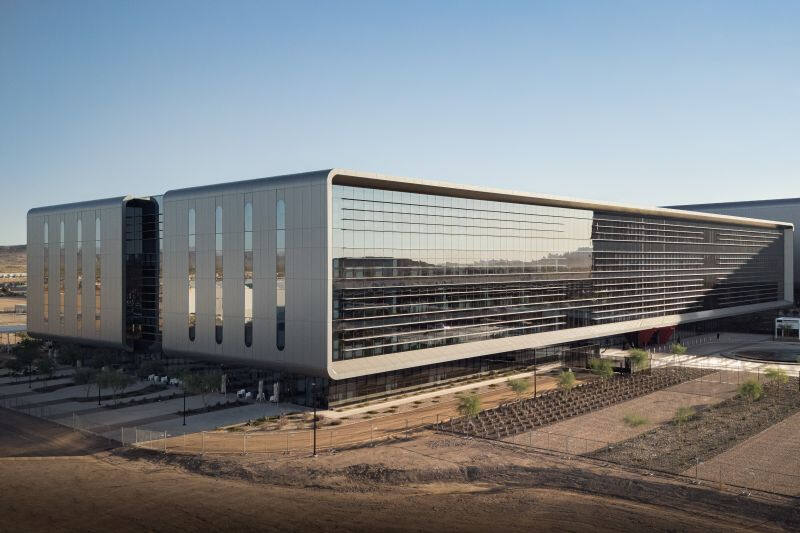
TSMC’s manufacturing capacity in the United States is already completely reserved, despite many of the facilities still being under construction or in the planning phase. This strong demand reflects growing reliance by major American tech giants and the geopolitical push to bolster domestic semiconductor production.
Currently, TSMC has one factory in Arizona operational, a second ramping up production, a third under construction, and three additional fabs planned. Even before all are online, corporate clients like Apple, Nvidia, AMD, Qualcomm, and Broadcom have secured the entire capacity. This underlines how important localized semiconductor supply chains have become amid intensifying US-China tensions and the global chip shortage environment.
TSMC’s expanding overseas production and future projections
Industry analysts project that by 2028, TSMC’s overseas production-including plants in Kumamoto, Japan, plus the new sites in the US and Germany-will account for 20% of its total output. US government subsidies could further boost this share, reinforcing America’s semiconductor autonomy goals. Looking ahead, sub-2nm chip production is expected to split roughly 70/30 between Taiwan and the US by 2030.
Overview of TSMC’s US investment and facilities
In March last year, TSMC announced plans to invest an additional $100 billion in US manufacturing infrastructure. Combined with previous investments, total spending will reach about $165 billion. When completed, TSMC’s US footprint will include:
- Six advanced silicon wafer foundries
- Two packaging plants
- A major R&D center-all centered in Arizona
Impact of TSMC’s investment on chip production and supply chain security
Experts highlight that about 30% of TSMC’s chip production using under 2nm process technology will be based at the new Arizona plant, reinforcing ties with key American tech customers and ensuring a more secure and geographically diversified supply chain. This early overbooking signals TSMC’s commitment to balancing global demand and navigating geopolitical pressures while expanding overseas.