

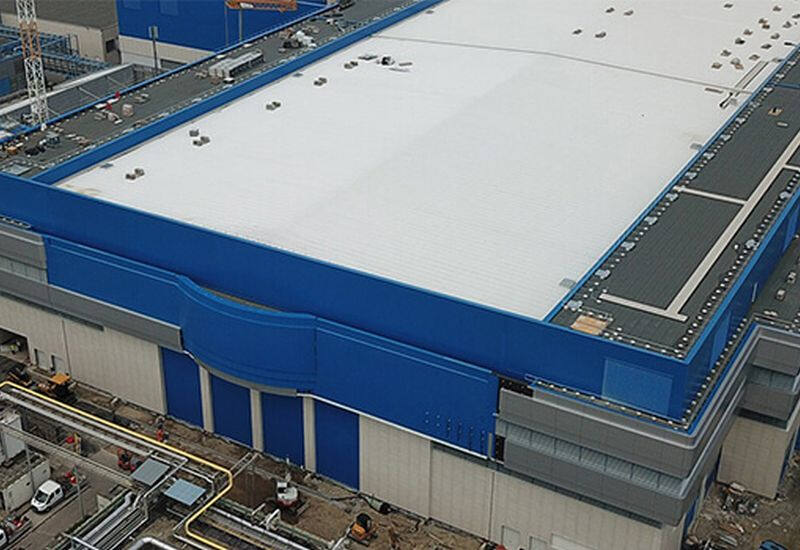
Amid escalating turmoil in the Middle East, Tower Semiconductor’s major fabrication facility in Israel has suspended shipments, stirring worries about chip shortages in sectors relying on mature semiconductor technologies. This disruption not only hampers Tower’s output but also pressures contract manufacturers in Taiwan, reshaping global chip supply dynamics in an already volatile market.
Tower Semiconductor ranks among the world’s top contract chipmakers, specializing in mature process nodes ranging from 180 to 130 nanometers on 200mm wafers. Its Israeli plant is pivotal, delivering processors used extensively in automotive and industrial applications that demand long lifecycle reliability and stringent certification. The facility’s suspension stemmed directly from regional instability, forcing Tower’s clients to pivot to Taiwanese firms like Vanguard and PSMC for their chip manufacturing needs.
This shift is intensifying demand on Taiwan’s fabs that handle mature lithography, pushing their capacities close to limits and driving up prices. With TSMC focused increasingly on cutting-edge nodes and scaling back mature node production, Vanguard-TSMC’s subsidiary-and PSMC have become the primary alternative manufacturers. They stand to benefit financially from these urgent rerouted orders, which typically command a premium due to tightened timelines and supply uncertainties.
Strategic vulnerabilities in mature chip supply chains
The crisis underscores a critical fragility in the semiconductor ecosystem: while cutting-edge chip production often grabs headlines, the global economy also heavily depends on mature process nodes for essential applications. Tower’s specialization in automotive and industrial chips-markets where product longevity and certification hurdles create high barriers to quick supplier switches-makes the Israeli plant’s stoppage a serious shock.
Intel, Samsung, Broadcom, and other major clients of Tower Semiconductor require these reliable chips for various devices. Intel’s own efforts to acquire Tower for $5.4 billion faltered amid Chinese antitrust resistance, illustrating the geopolitical complexities intertwining the semiconductor industry. Nevertheless, collaboration continues in other regions like New Mexico, as companies hedge against regional risks.
Meanwhile, reliance on Taiwan’s manufacturing capacity raises concerns. The extra load on Vanguard and PSMC highlights the challenge of geographic concentration in chipmaking-a risk factor long flagged by industry experts. As geopolitical tensions around Taiwan persist, this incident in Israel adds urgency to diversifying semiconductor supply chains globally.
The immediate effect will likely be a price uptick for mature-node chips and potential delays for automotive and industrial sectors, which could trickle down to consumer products equipped with these specialized semiconductors. For Tower’s clients, especially those needing certified parts with long validation cycles, switching fabs isn’t simply a logistical shuffle but a compliance and quality hurdle.
While the global chip shortage narrative has mostly focused on leading-edge semiconductors, Tower’s situation is a potent reminder that supply chain shocks can ripple through less glamorous but equally vital mature segments. The geopolitical unrest in one region cascades into production realignments thousands of kilometers away, affecting pricing and availability worldwide.
Industry observers will be watching how long the Israeli disruption lasts and whether companies accelerate investment in more distributed manufacturing facilities to reduce dependency on single regions. That, however, remains a multi-year challenge in an industry where capital expenditure cycles and technical certification timelines stretch over years.