

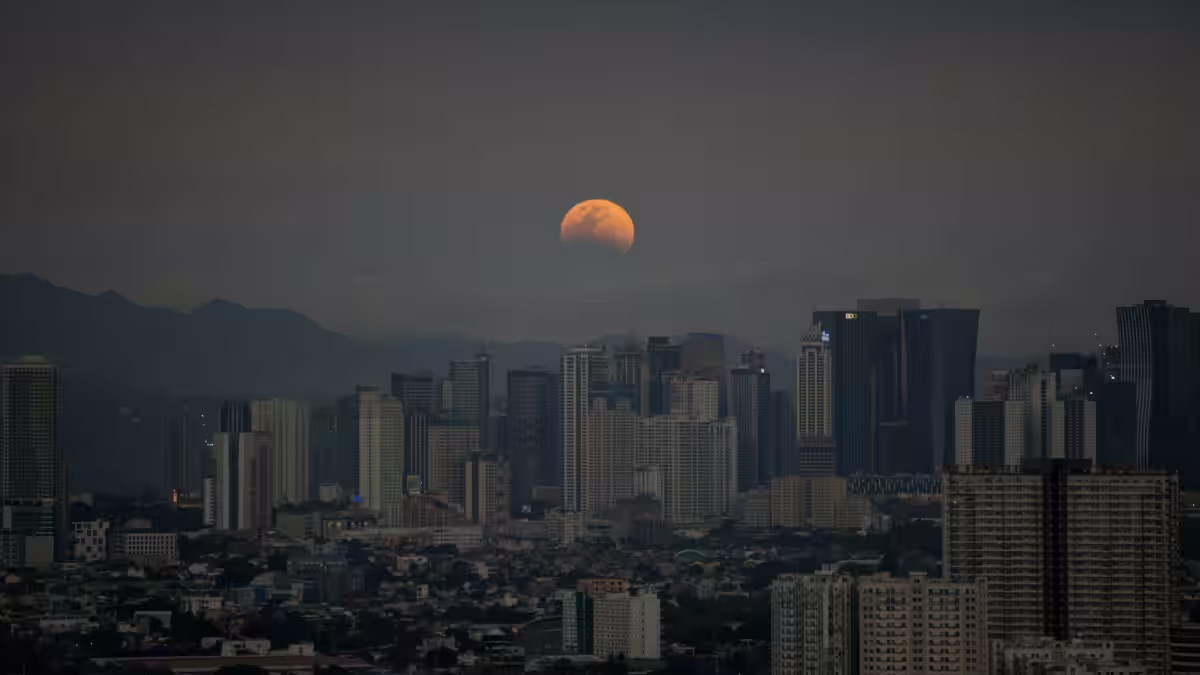
On March 3, 2026, skywatchers across North America and parts of Oceania witnessed a total lunar eclipse that transformed the full moon into a striking blood moon. As Earth’s shadow slipped over the lunar surface, photographers from Manila to New Zealand shared captivating images of the moon’s slow metamorphosis, showcasing the celestial spectacle in vivid detail.
Early in the eclipse, the moon’s western face darkened as Earth’s curved shadow crept across the lunar plains. This phase, known as the partial eclipse, was beautifully documented by Mirko Harnisch and the Dunedin Astronomical Society from New Zealand. Their photos captured the first hint of shadow dimming the lunar ”seas,” revealing the moon’s subtle texture and geography under darkening skies.
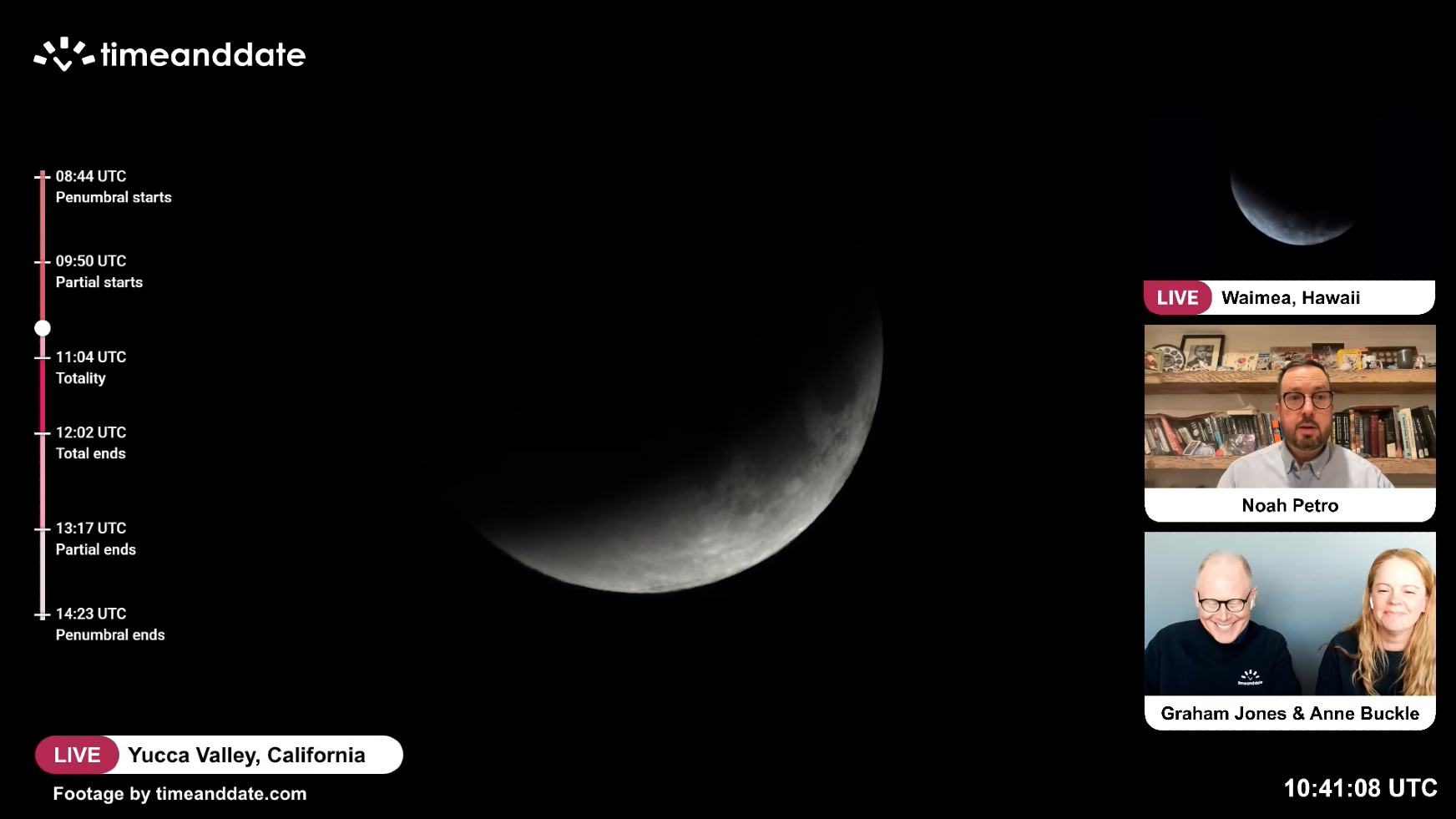
Closer to the western United States, the mobile observatory of Time and Date offered stunning views as the final slivers of sunlight faded. The distinctive lunar maria-vast basaltic plains formed by ancient volcanic activity-became visible as dark patches etched onto the glowing red orb, underscoring the moon’s dynamic geological history juxtaposed against the celestial drama.
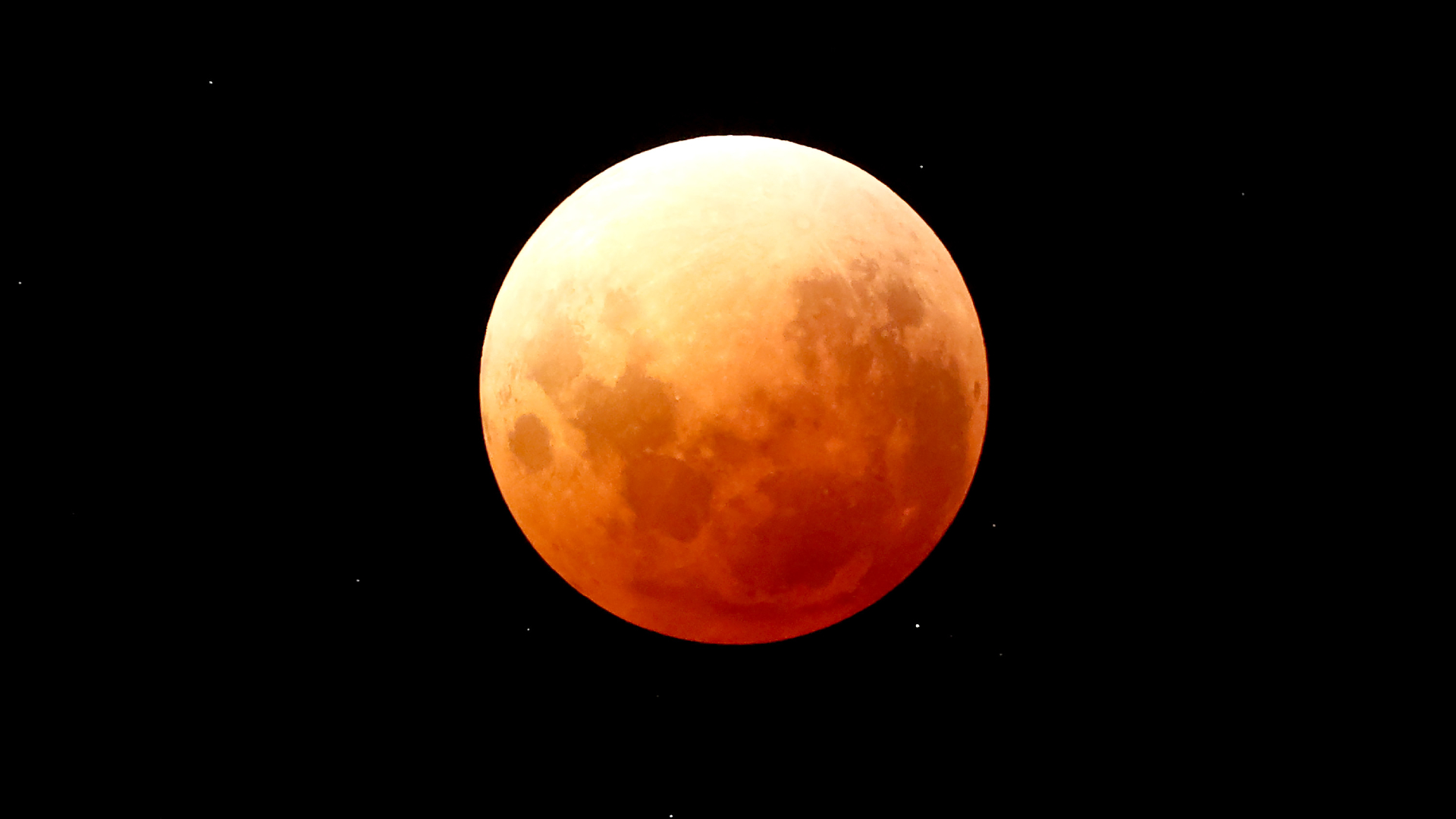
Photographer Phil Walker from northern New Zealand witnessed the moon fully immersed in Earth’s shadow, its surface bathed in the dim, coppery glow that results from every sunrise and sunset lighting Earth’s atmosphere. This eerie phenomenon, sometimes called a ”blood moon,” reminds viewers that even in darkness, subtle light can reveal majestic beauty.
Lunar eclipses offer some of the most accessible astronomical events, requiring no special equipment to enjoy. As the Earth blocks direct sunlight from hitting the moon, it provides a rare show of celestial choreography, with the planet’s shadow gradually unveiling not just the moon’s geology, but also the way our atmosphere bends light.
This eclipse also highlights an often-overlooked detail: the naming of full moons. The March full moon is known as the Worm Moon, marking the time when the ground softens, inviting worms and other creatures to emerge. Combining nature’s cycles with cosmic ones adds depth to the experience, connecting earthly changes with lunar phenomena.
Although totality has passed, the eclipse’s penumbral phase continues until the Earth’s faint outer shadow slips away. For enthusiasts who missed the live event, galleries of images like these are the next best thing-reminders that even our familiar moon is an ever-changing muse, shaped by shadows and light each lunar cycle.
Expect the next opportunity to catch a total lunar eclipse in similar detail on October 17, 2026, when the moon again dips fully into Earth’s shadow. Until then, the images from this event offer a chance to reflect on humanity’s enduring relationship with our nearest celestial neighbor.