

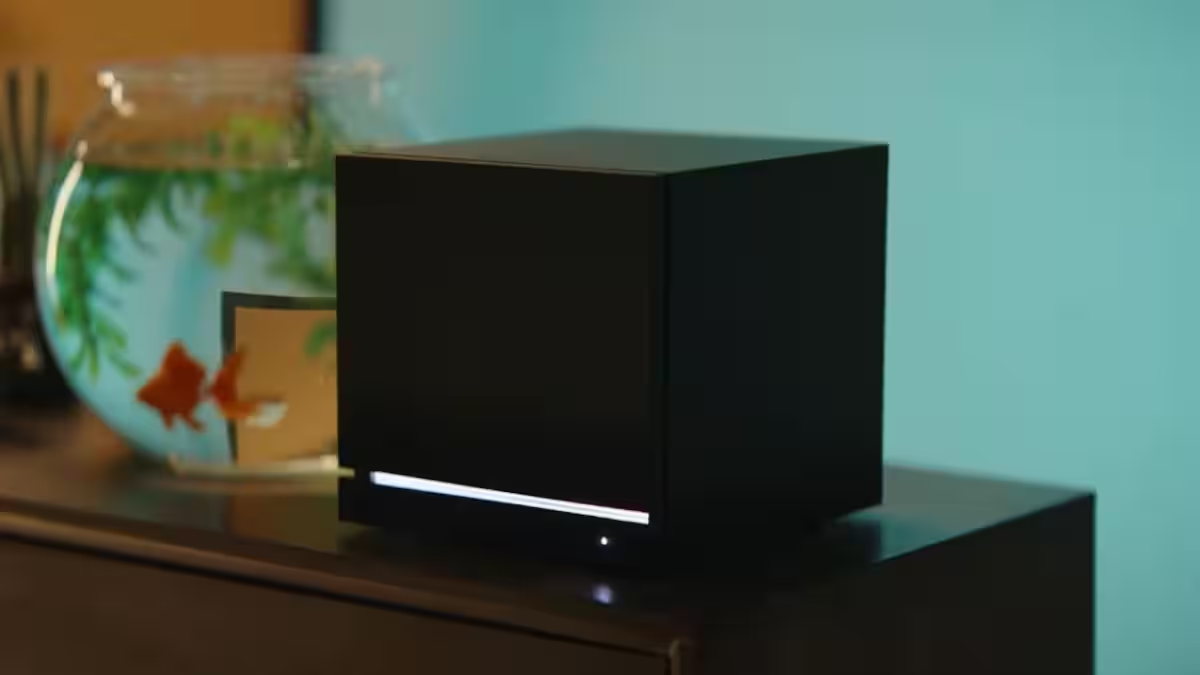
Streaming sticks are brilliant at two things: being tiny and almost invisible. They are terrible at one thing: doing anything beyond streaming. Valve’s new Steam Machine is a reminder that there’s a different answer to the same problem – put a compact PC next to the TV and let it do everything the stick can, plus native gaming.
The pitch is simple and honest: it’s a PC built for the couch. It ships with a controller-friendly OS, a small footprint meant for TV stands, and the usual PC benefits – a browser for every streaming service, native Linux clients for apps like Spotify and self-hosted servers such as Jellyfin, and the ability to add non-Steam apps into the same living-room interface. Valve also advertises native gaming performance at 4K and 60 frames per second, which is plainly beyond what any Chromecast can deliver.
Why this matters
For many households the Chromecast (and other cheap streamers) will stay put. They are cheap, simple and quiet. But for anyone who wants one-box convenience plus the option to play PC games without streaming artifacts or network lag, the Steam Machine is a tempting consolidation: streaming, media apps, web browsing, local media clients and full native games from a single device.
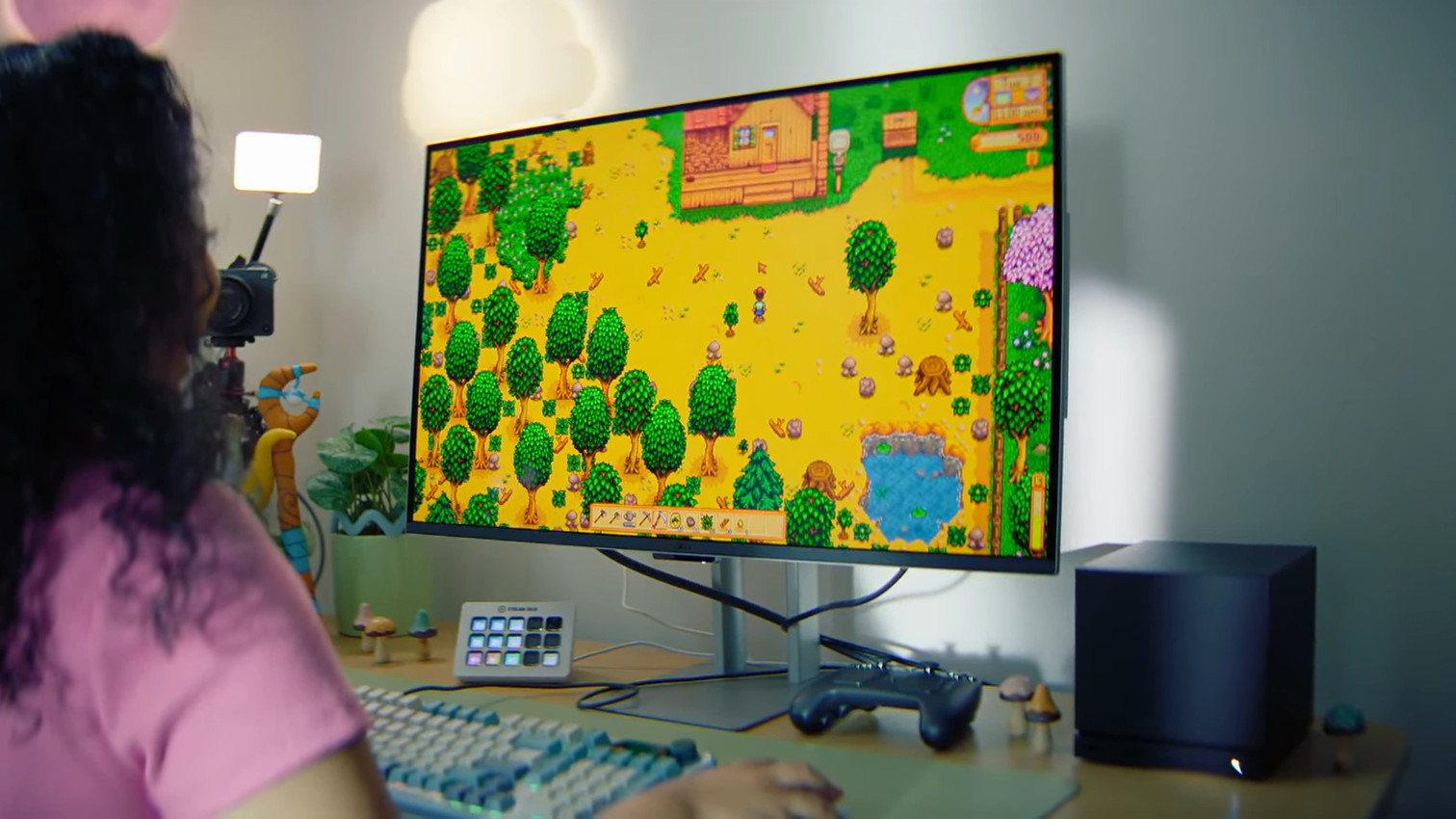
It also exposes the trade-offs between two design philosophies. Chromecast and similar devices optimize for minimal friction: tiny remotes, voice assistants, instant resume. A living-room PC optimizes for capability: faster load times, richer interfaces, and the ability to run code locally. Typing searches is faster on a keyboard than with a remote. And if you want to run a Jellyfin server, Moonlight, GeForce Now, or native Steam titles, a PC simply handles them in ways most dongles cannot.
Not a new idea – but a revisited one
Home theater PCs are nothing new. Enthusiasts have been stuffing small Form Factor machines behind TVs for years. Valve itself tried to seed the living-room with PC hardware once before during the Steam Machines era a decade ago; that effort mostly failed because partners shipped niche hardware and the software story never coalesced. The Steam Deck changed Valve’s hardware fortunes by proving a consumer market exists for Valve-designed systems. The current Steam Machine is more a sequel in spirit than a repeat.
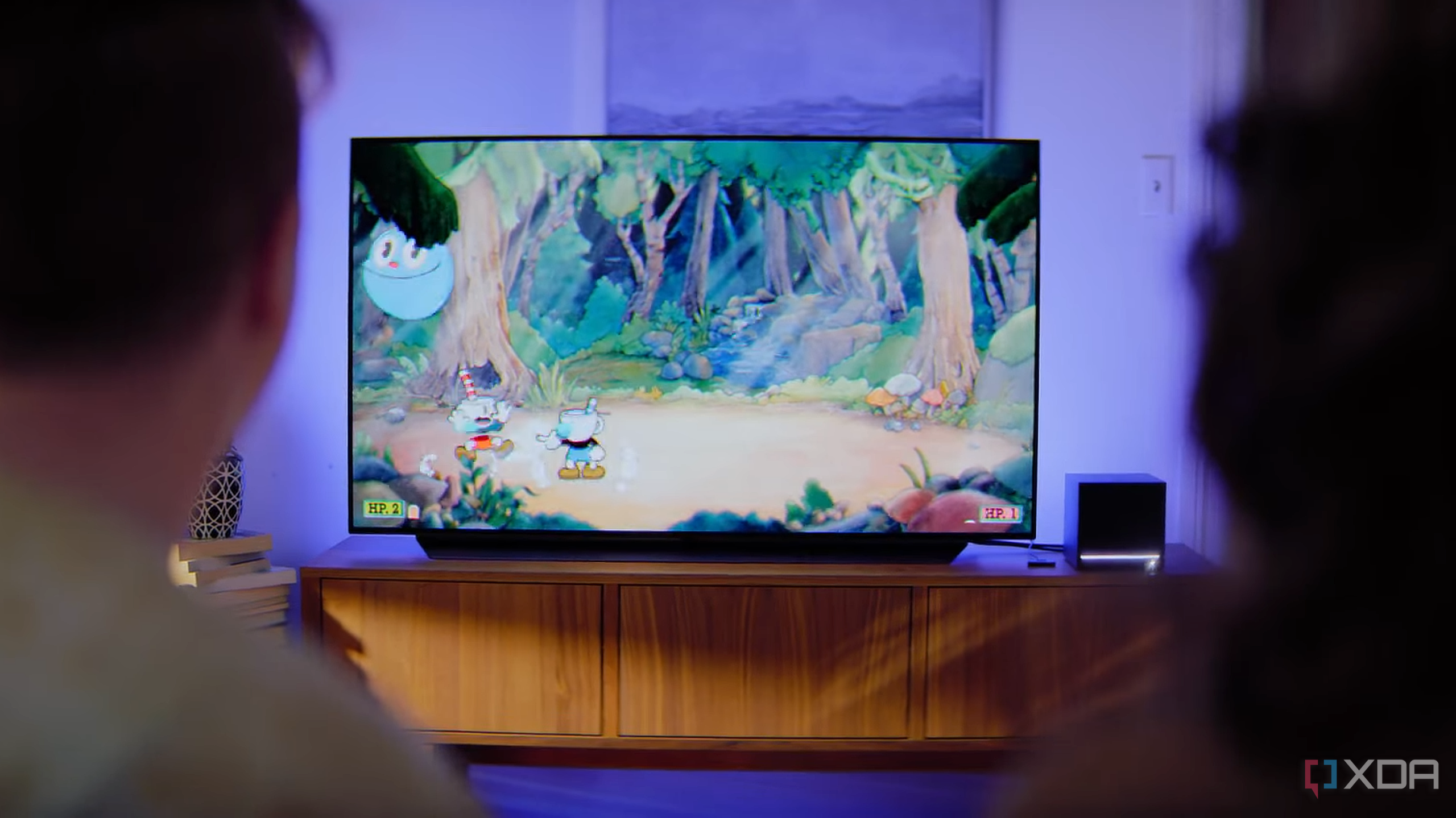
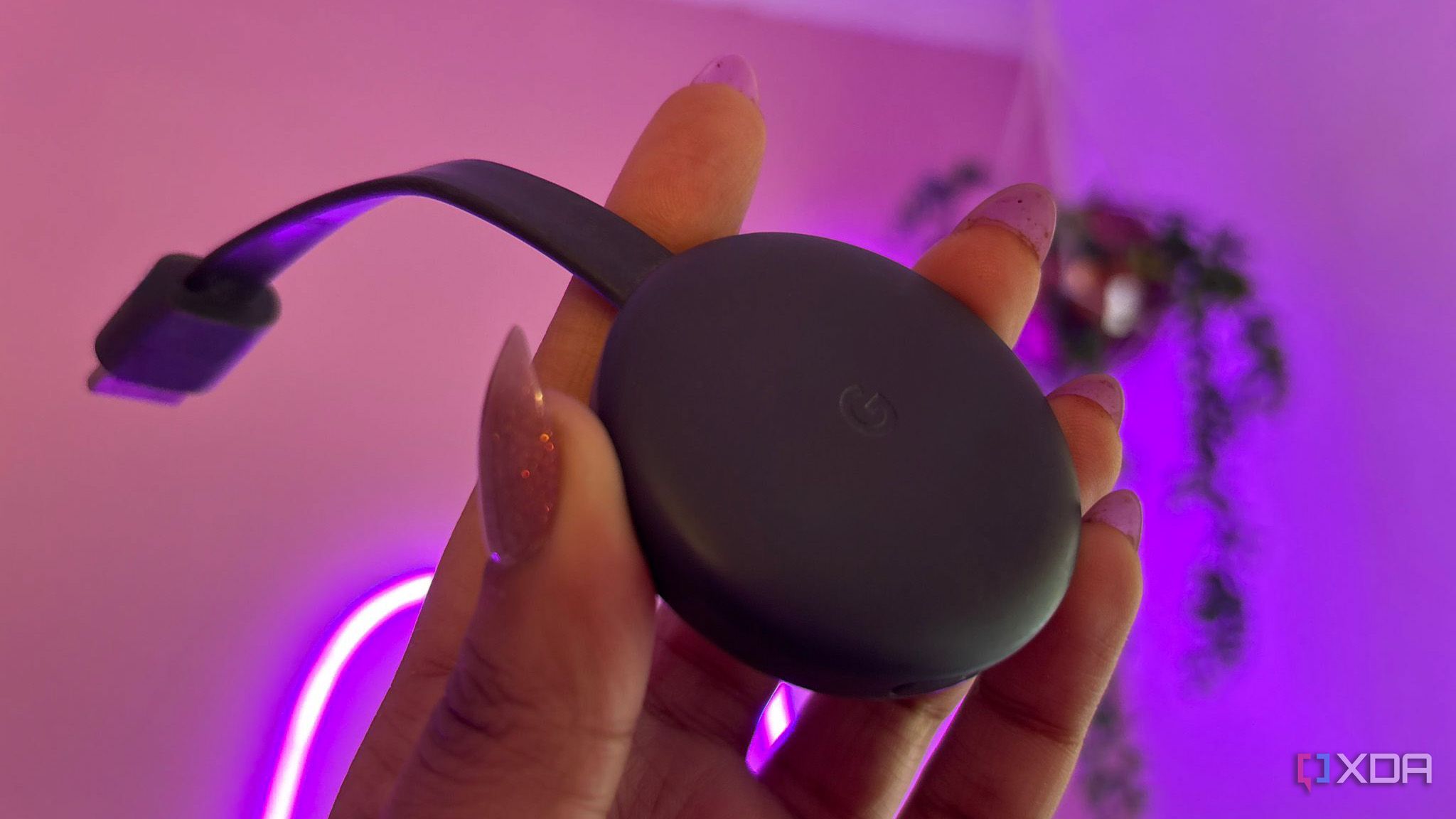
Competitors have tried other trade-offs. Nvidia’s Shield TV carved out a niche by mixing Android TV smarts with strong media/transcoding and some game-streaming features. Raspberry Pi plus Moonlight is a popular DIY alternative for 4K game streaming at low cost. Apple TV and Fire TV double down on polished remotes and ecosystems. None of those fully replicate the local, native PC gaming experience the Steam Machine promises.
Who wins and who loses
Winners: living-room power users, media server owners, Steam-centric households, and anyone who prefers the responsiveness of local apps over streaming. A single compact PC can replace a game console, a streaming stick and a media streamer in one slot.
Losers: low-cost streamers and the people who buy them. Casual viewers who prize simplicity, tiny remotes and voice assistant integrations will probably keep their Chromecast or similar devices. Device makers that compete on price and minimalism rather than versatility will feel the squeeze in niche segments.
Valve itself sits somewhere between winner and risk-taker. The company has hardware cred now after the Steam Deck, but shipping a living-room PC exposes it to new expectations: quieter cooling in a TV cabinet, remote-first navigation, and better integrations with TV-centric features (HDR passthrough, voice assistants, low-power idle). Those are not impossible, but they matter for mainstream adoption.
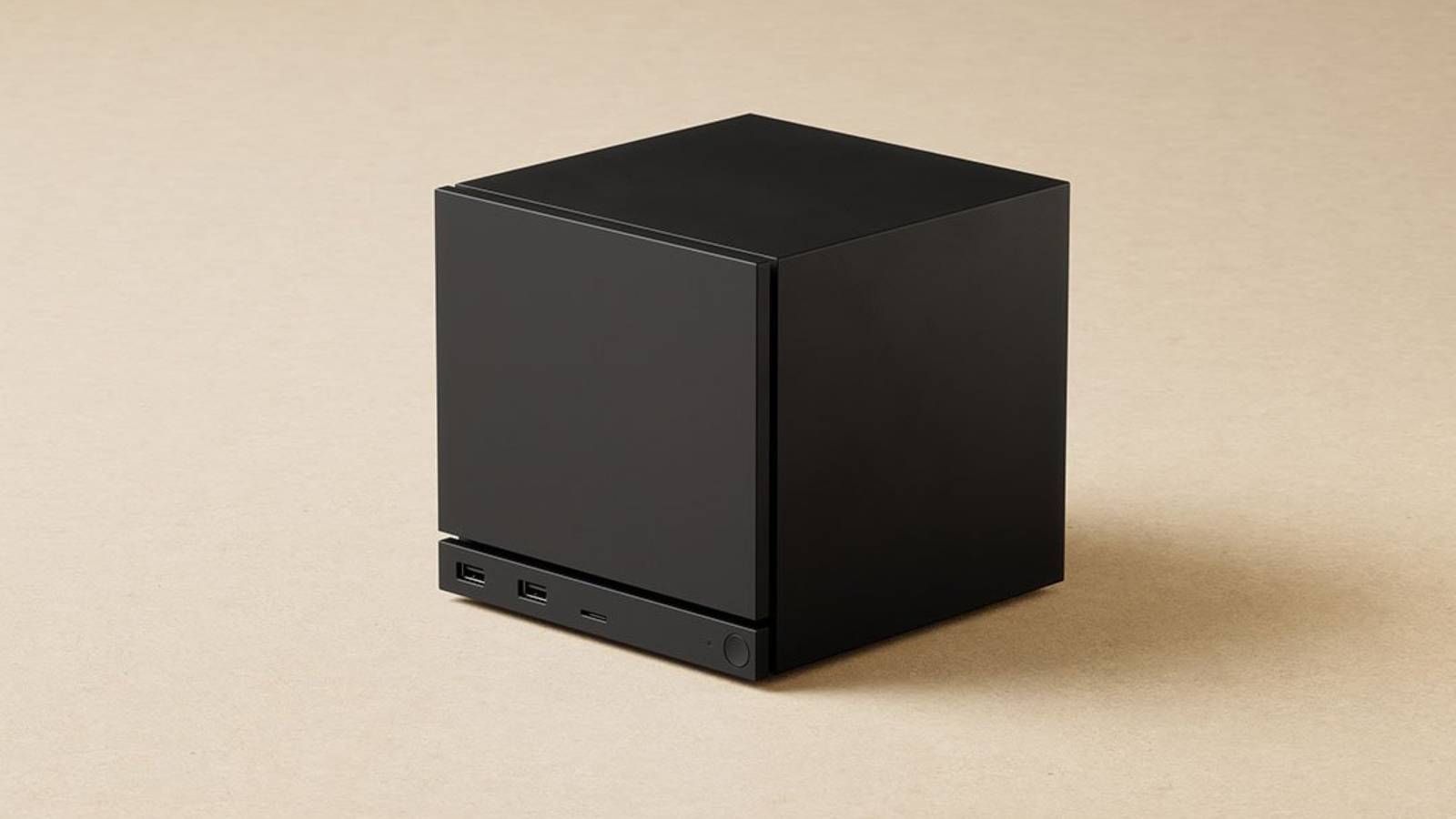
What Valve still needs to prove
First, the remote experience. A keyboard and mouse are great, but consumers expect a tiny remote for casual viewing. Valve will need to show that controller navigation or compact keyboard options are just as painless. Second, price and power draw. A small PC that’s dramatically more expensive than a $30 streamer will only attract a subset of buyers. Third, integration with streaming services and voice assistants – the comfort features most people value in a TV stick.
Finally, Valve must avoid repeating past mistakes: scattering features across niche hardware partners or leaving key platform polish to later updates. The first impression in the living room matters.
Verdict and outlook
The Steam Machine is not a wholesale threat to Chromecast. For most people, cheap streamers will still be the default. But it is a meaningful option that exposes a growing reality: many households are tired of juggling tiny gadgets for each purpose. For those who want a single, capable box – and who care about native gaming and fast, flexible media playback – the living-room PC has quietly come back into the conversation.
Expect the market to bifurcate further: cheaper, simpler sticks for the mainstream; compact, more expensive living-room PCs for enthusiasts and anyone who values capability over absolute simplicity. If Valve gets the balance right, the Steam Machine won’t make Chromecasts disappear – it will make them feel like a choice rather than the only choice.