

There’s more value in an old transatlantic fiber-optic cable than nostalgia. As the first generation of long-distance fiber comes up from the seabed, it’s exposing a neglected supply chain – thousands of kilometers of copper and steel, a tiny but growing salvage industry, and a workforce whose hands-on knowledge can’t be automated. This matters because we’re building more cables than ever, the materials they contain are becoming scarce, and the geopolitics around those routes keeps getting louder.
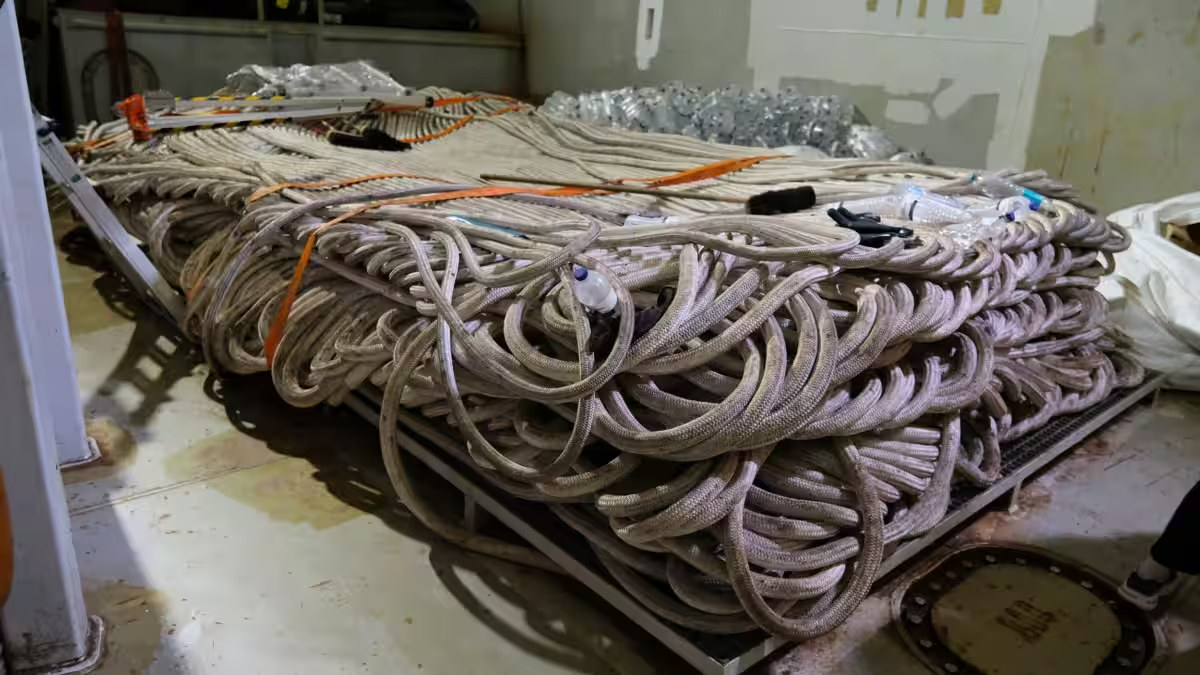
Case in point: TAT-8, the eighth transatlantic system and the first to carry optical traffic between Europe and the United States, is finally being recovered after decades on the ocean floor. TAT-8 went into service on December 14, 1988, was taken out of service in 2002, and today crews are hauling sections of it aboard vessels for recycling. One salvage operation recently offloaded 1,012 kilometers of the cable after weather delays and months at sea.
That retrieval is run by a specialist firm – one of only a handful in the world whose whole business model is taking old submarine cable out of the water and turning it into raw materials. The cables themselves are surprisingly rich. They still carry sizable amounts of copper, and have thick steel armoring around repeaters that weigh roughly 400 kilograms each. TAT-8 had more than 100 repeaters; today those housings and the steel and copper inside them are being separated, melted down, and sent back into industrial supply chains.
Why recover cables at all?
There are three practical reasons a company will pull a retired cable up instead of leaving it on the seafloor.
First, old cables are a source of valuable metal. The cable bundle includes high-grade copper and substantial quantities of steel and polyethylene. With signs of future copper tightness in global markets, those miles of material have real economic value.
Second, recovery clears routes for new systems. Many subsea routes are proven and efficient; recovering decommissioned cable avoids the environmental and permitting hassle of plowing new trenches across pristine seabed where that’s unnecessary.
Third, there is a modest but growing market for the marine salvage and recycling itself. Ports that process recovered cable, companies that break down bales into copper, steel, and polyethylene, and the logistic chains that ship these materials are all players in a niche ecosystem.
What you don’t see when you complain about ”the cloud”
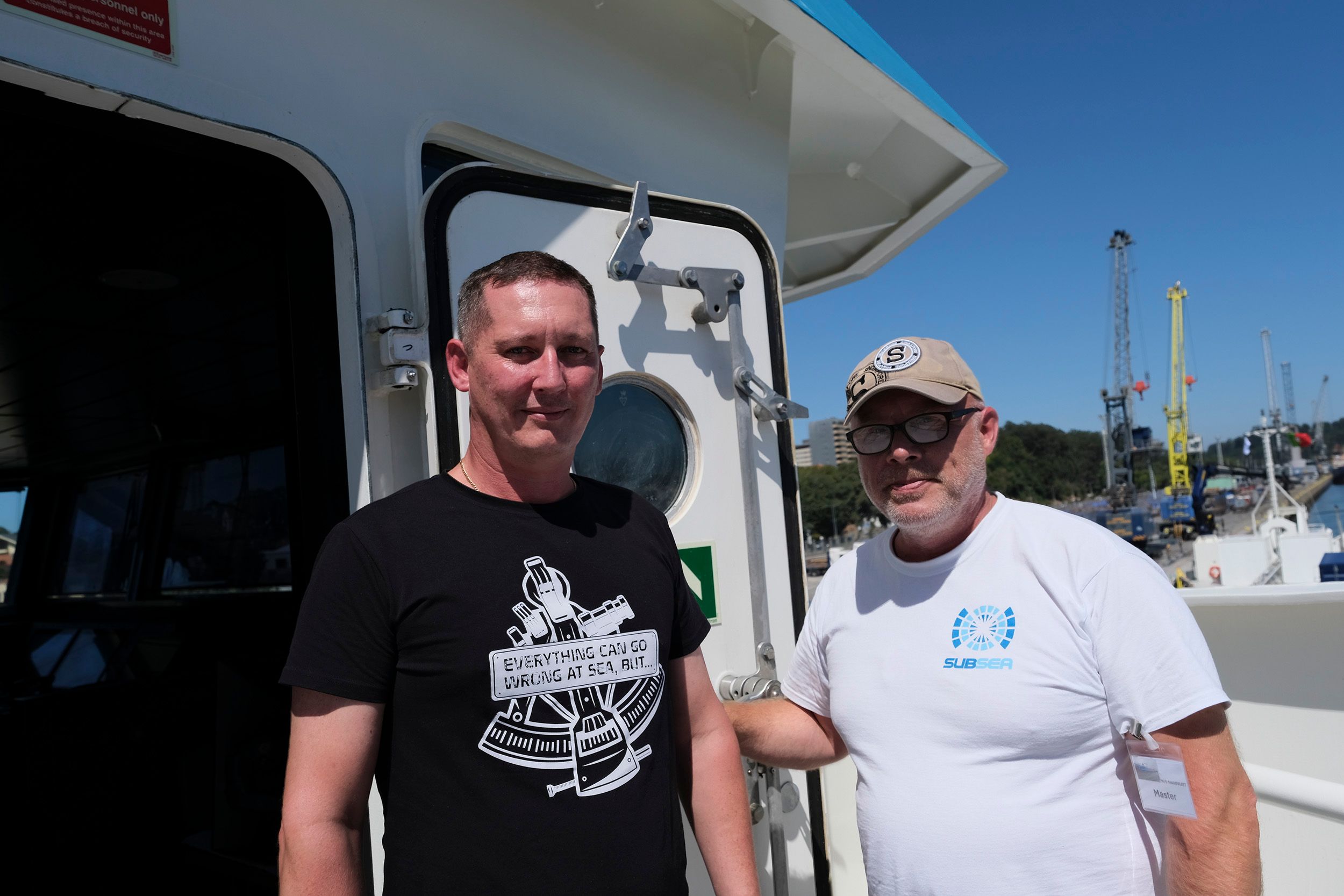
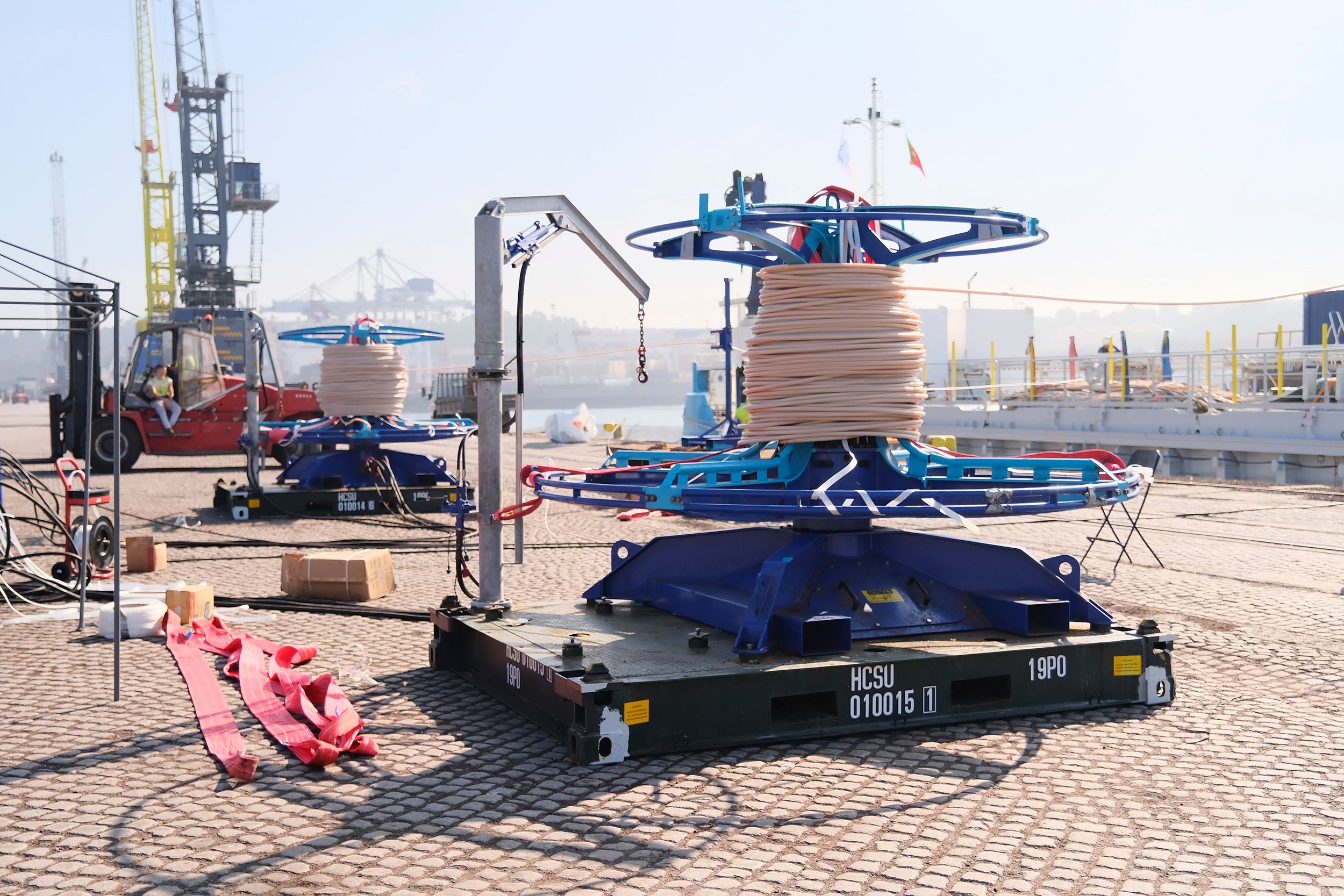
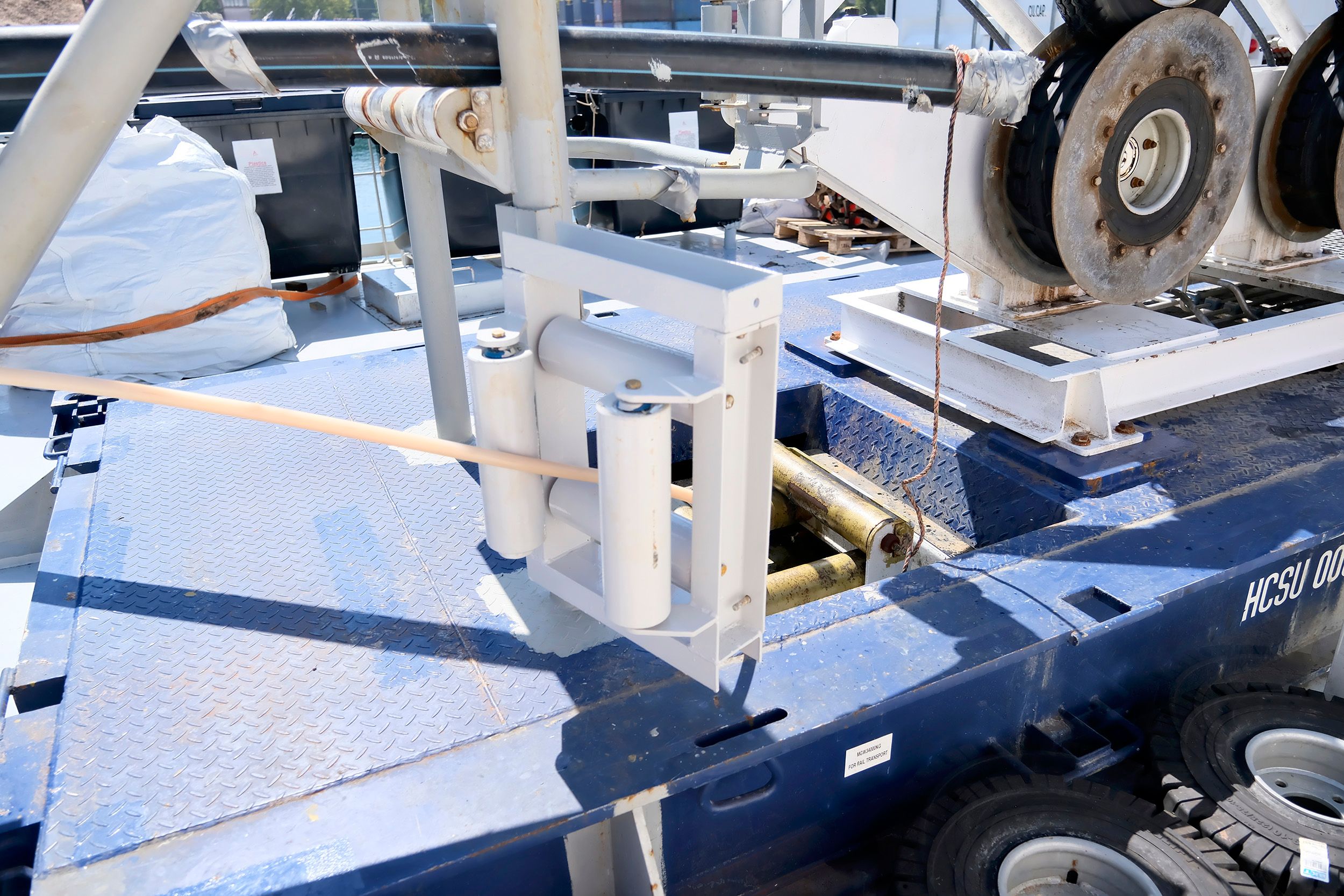
Most narratives about connectivity treat fiber as invisible utility. The truth is far more manual. Recovering a cable is an almost Victorian blend of seamanship and muscle: crews lower grappling hooks called flatfish, drag them along the seabed at about one knot until tension registers, then winch sections aboard, where coilers walk backward in slow circles to coil delicate fiber by hand. Repeaters are unbolted and rolled onto deck. Tanks are emptied into bales and shipped to specialized recycling facilities.
That human know-how is concentrated in a small, aging cohort. The industry has relied on people who learned at sea, not in classrooms. With many experienced technicians nearing retirement, the industry faces a skills-transfer problem: these operations are hazardous, precise, and not easily taught to a drone or a novice in weeks.
Sharks, satellites, and security theater
Cable mythology distracts from real risks. The idea that sharks routinely sever fibers is a 40-year-old story born in early trials; industry fixes like added steel armoring were sensible precautions but not a response to a pattern of shark predation. Similarly, the fanfare around low-Earth-orbit satellites as a substitute for undersea fiber is mostly overstated: satellites provide important redundancy and reach, but they have different cost, latency, and capacity profiles and are unlikely to replace high-capacity submarine trunks.
That doesn’t mean there aren’t strategic anxieties. Reports of sabotage and cable cuts in contested regions have sharpened political interest in routes and who controls them. Those concerns are why some governments and private consortia want clearer rules for decommissioning, retrieval, and tracking of cable endpoints – and why leaving retired assets abandoned on the seafloor can complicate both environmental assessments and sovereignty questions.
The environmental balance
Pulling cables up isn’t automatically greener. Grapnel runs disturb the seabed and vessels burn fuel to reach deep water. But leaving cable that lies exposed can also be undesirable. Current practice tends to be pragmatic: where retired segments sit on the surface they are prime candidates for recovery; where cables cross sensitive habitats they are often left in place. And when recovered, much of a cable’s steel and polyethylene is recyclable; the fiber itself is harder to reuse.
Recycling changes the net environmental arithmetic. Steel becomes fencing or construction material; polyethylene can become industrial pellets; copper is returned to industry. Those salvage economics are part of why recovery firms and recycling yards in places like South Africa and the Netherlands exist today.
Who gains, who loses
Winners: salvage companies, ports with processing facilities, scrap metal markets, and countries short on strategic metals. The operators of new cable systems also benefit because recovered routes let them reuse surveyed corridors and reduce permitting friction.
Losers, in the short term: local seabed ecosystems disturbed by recovery runs, and anyone who hoped satellites would make physical infrastructure irrelevant. In the longer term, if the industry fails to train replacements, the loss of institutional knowledge will drive up the cost and risk of both recovery and emergency repairs.
What should come next
Three practical moves would make sense.
1) Treat retirement planning as part of cable procurement. Contracts for new systems should include decommissioning clauses, tracked coordinates, and funds set aside for responsible recovery or in-situ disposal.
2) Invest in the workforce. Governments and industry should support apprenticeships and certifications for marine cable operations. This isn’t glamorous, but it’s critical infrastructure labor – like linemen for the electric grid.
3) Build more recycling capacity near shipping routes. Processing yards shorten logistics chains and capture more value; the material recovery is a straightforward industrial win if environmental standards are enforced.
TAT-8’s recovery is a relic being turned back into resources. It’s also a reminder that the physical layer of the internet is not eternal, nor invisible. The next decade will be about managing lifecycles at scale: more cables laid, more eventually retired, and – if policy and markets adjust – a meaningful stream of reclaimed metals that can ease supply pressures and reduce the need for fresh mining.
When you scroll without thinking about the infrastructure beneath your fingertips, remember that every swipe depends on people who sail ships, coil fiber by hand, and cut metals out of repeaters. That labor, and the materials it recovers, are part of the next chapter for global connectivity.