

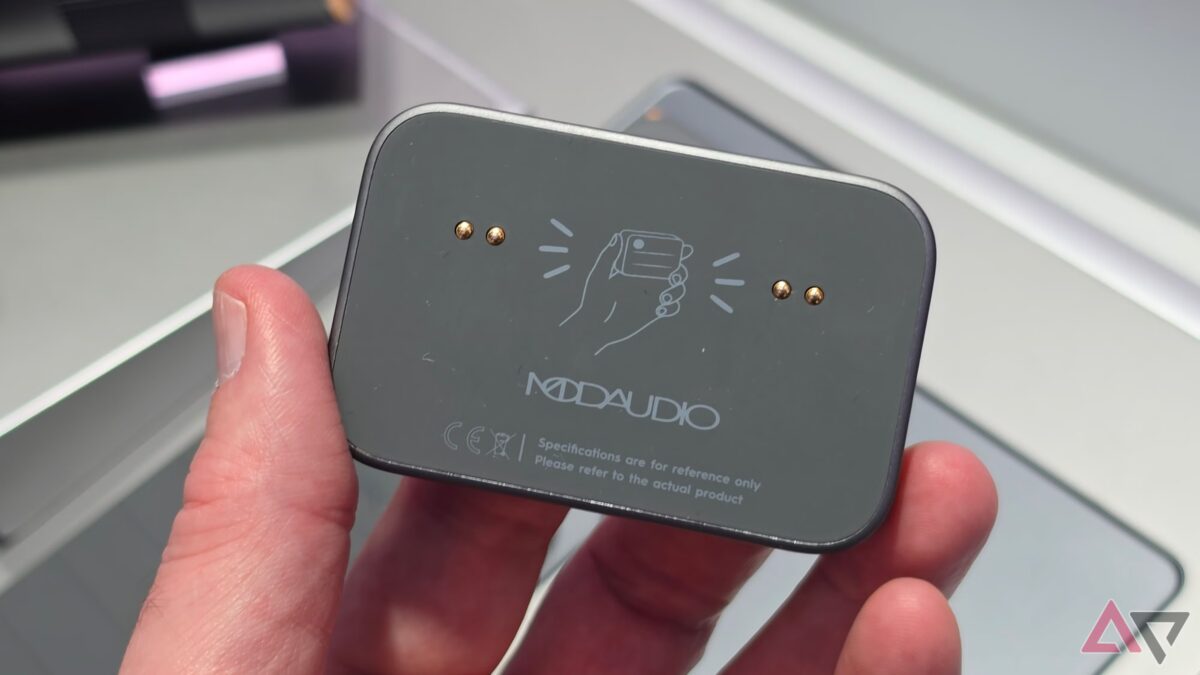
At MWC 2026, Tecno unveiled an eye-catching modular smartphone prototype featuring magnetic attachments that instantly grabbed the spotlight. This concept phone’s modules connect to the main body through a clever mix of magnets, Wi-Fi, Bluetooth, mmWave, and pogo pins for power delivery – a seamless blend of technology and design that feels fresh and modern. But here’s the million-dollar question: will mainstream users actually want a phone like this?
Tecno has designed two base models for its modular system – Atom and Moda – each supporting various module combos. The core battery holds just 3000 mAh, but the system cleverly stacks additional 4.5 mm-thick battery packs to boost overall battery life. Available modules include a telephoto camera with physical buttons, audio add-ons, gamepads, standalone microphones, a router, and even a cellular signal booster. Some modules, like the action camera and mic, can work independently from the phone.
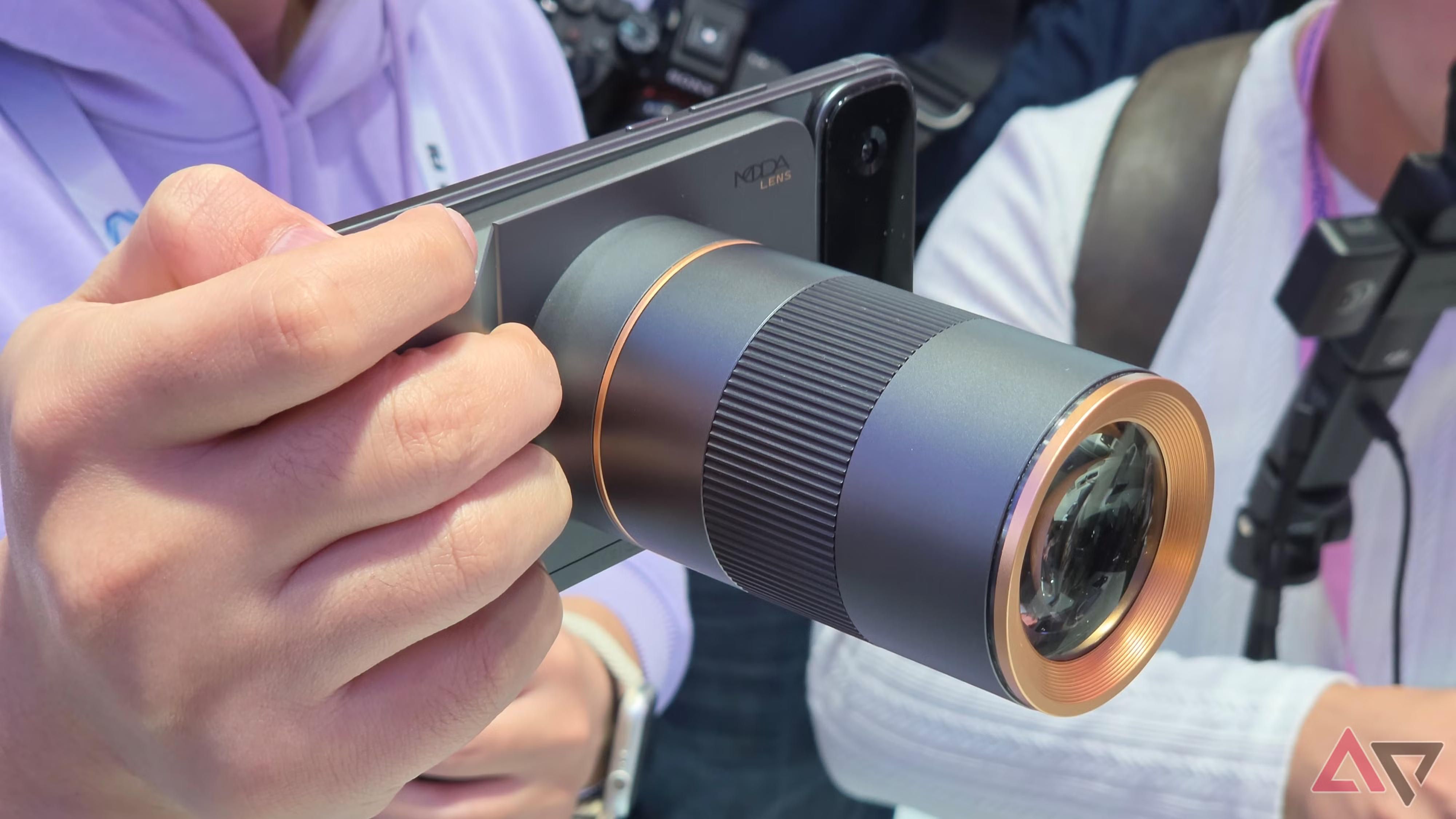
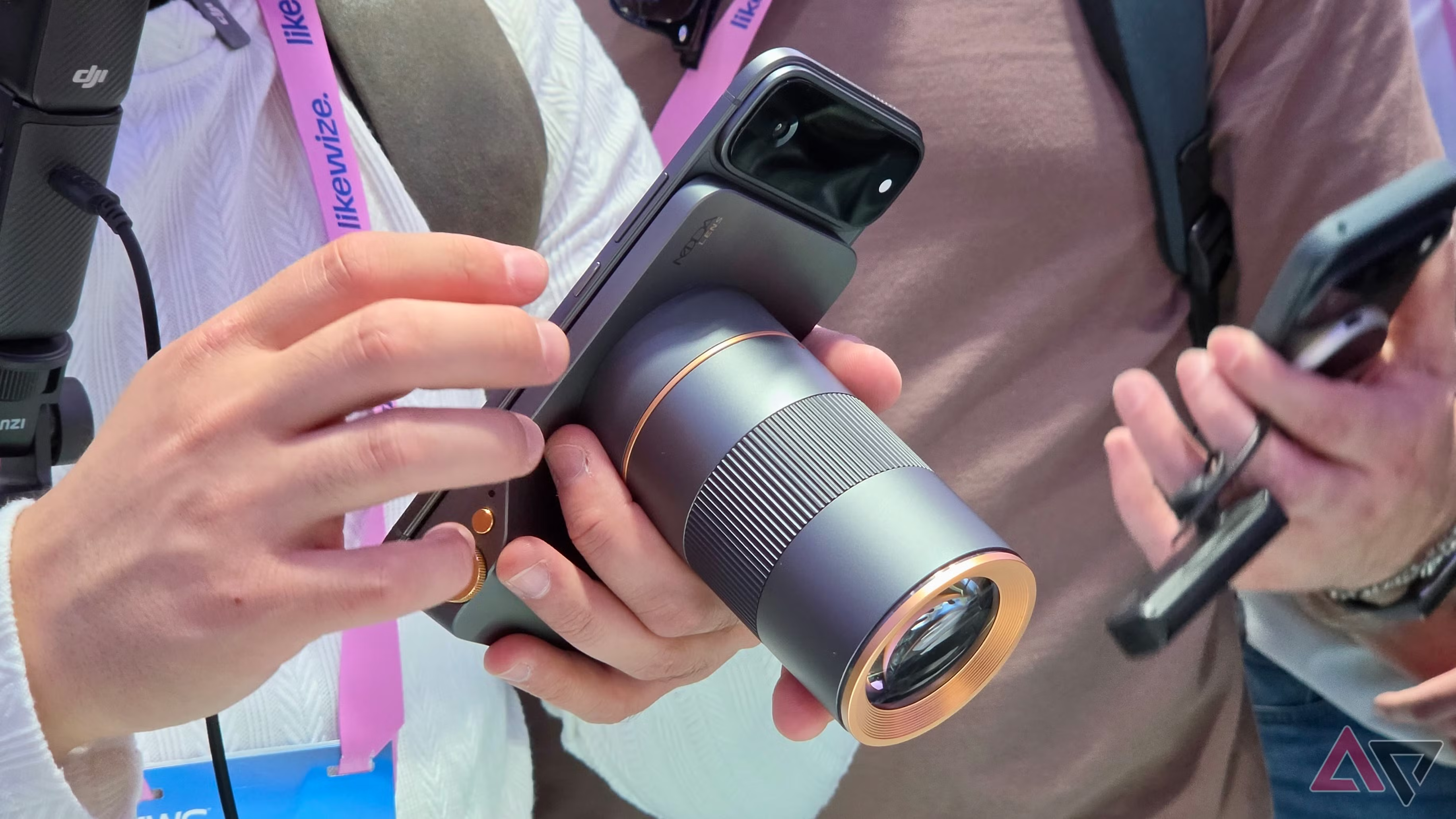
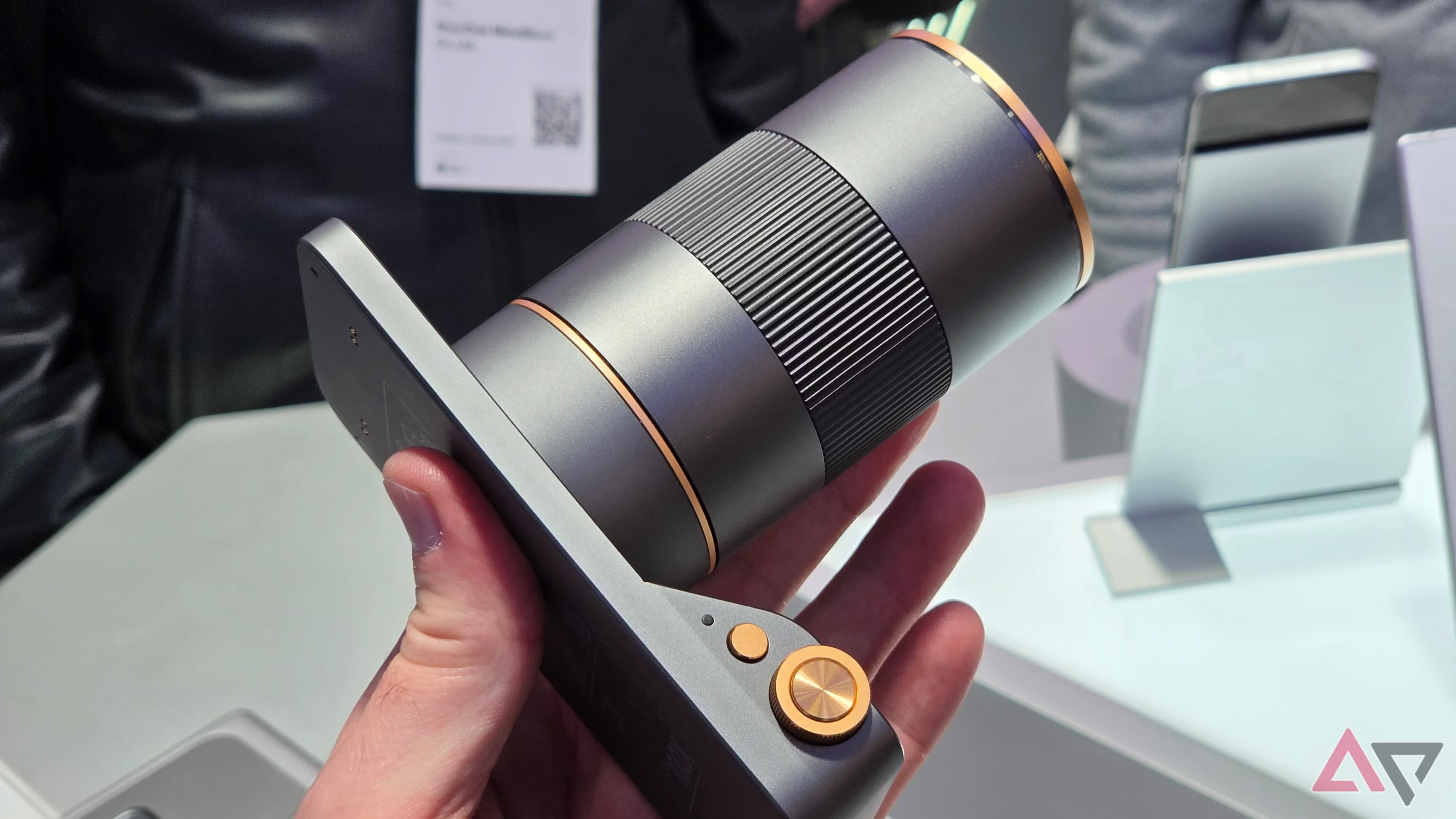
The magnetic mounting system clicks satisfyingly into place, giving a strong sense of durability and easy installation without the fuss of complex mechanical fittings. This approach feels like a fresh take on modular smartphones, unlike earlier attempts from LG with the G5 or Motorola and Google’s experimental efforts – all of which flopped commercially despite tech enthusiasts’ hopes.

Despite its tech-forward design and user-friendly setup, this new concept is unlikely to hit the market. The prototype functions fully as a smartphone, and the modules genuinely expand its capabilities, but recent market trends with modular phones suggest consumers aren’t eager to switch up their habits. Most prefer juggling multiple dedicated devices – think a standalone phone, action camera, and portable battery – rather than swapping out phone parts.
Looking back, the failures of modular smartphones and smartwatches boil down to complexity, extra costs, and a lack of clear benefits for the average user. Even strong marketing promises of sleek, lightweight modular devices couldn’t drive sales for models like the Samsung Galaxy S25 Edge or the Apple iPhone Air.
Still, Tecno’s polished and technologically advanced modular concept at MWC signals ongoing interest in this idea. With advancements in new materials, wireless communication standards, and ultra-efficient components, modular phones might get a second wind. But for now, their future remains uncertain. Maybe soon we’ll see fresh attempts to make modular truly fit the real needs of the market.
Why this matters internationally: The modular smartphone concept at MWC 2026 taps into a global curiosity about customizable and sustainable tech – a path toward devices that can evolve without being replaced. While Western brands like LG and Motorola stumbled with modular phones, Tecno’s fresh magnetic system shows innovation continues, especially from emerging markets. For the global tech community, it raises questions about user behavior, repairability, and the future of device longevity as environmental concerns grow. Plus, the integration of multiple wireless standards signals how connectivity might shape modular designs worldwide. However, the hesitation among consumers remains a big hurdle. Watching how different markets respond to this modular push will offer clues about whether such flexible gadgets could ever break into mainstream use.
Context for Russian readers: In Russia, modular phones have historically been a niche curiosity rather than a mass-market hit, partly due to economic factors and user preferences favoring reliability and simplicity. Tecno’s modular base stations, Atom and Moda, echo local desires for devices easily repaired or upgraded without buying a brand-new phone, a concept many Russian users find appealing amid high costs for top-tier smartphones. Still, the lingering concern over outright cost and convenience keeps modular tech on the fringe.
Final take: Tecno’s modular smartphone prototype is undoubtedly one of the most polished modular efforts seen in years, offering tangible improvements over past failures. Its magnetic module system is smart and sleek, and the range of accessories designed is impressive. But overcoming consumers’ inertia remains the biggest challenge. Most people enjoy their gadgets to just work without tinkering. To push modular into the mainstream, companies will need to rethink how they communicate value and convince the market that swapping parts beats juggling multiple devices or simply upgrading phones every few years. Until then, modular remains an intriguing tech experiment – promising, but still waiting for its moment to shine.