

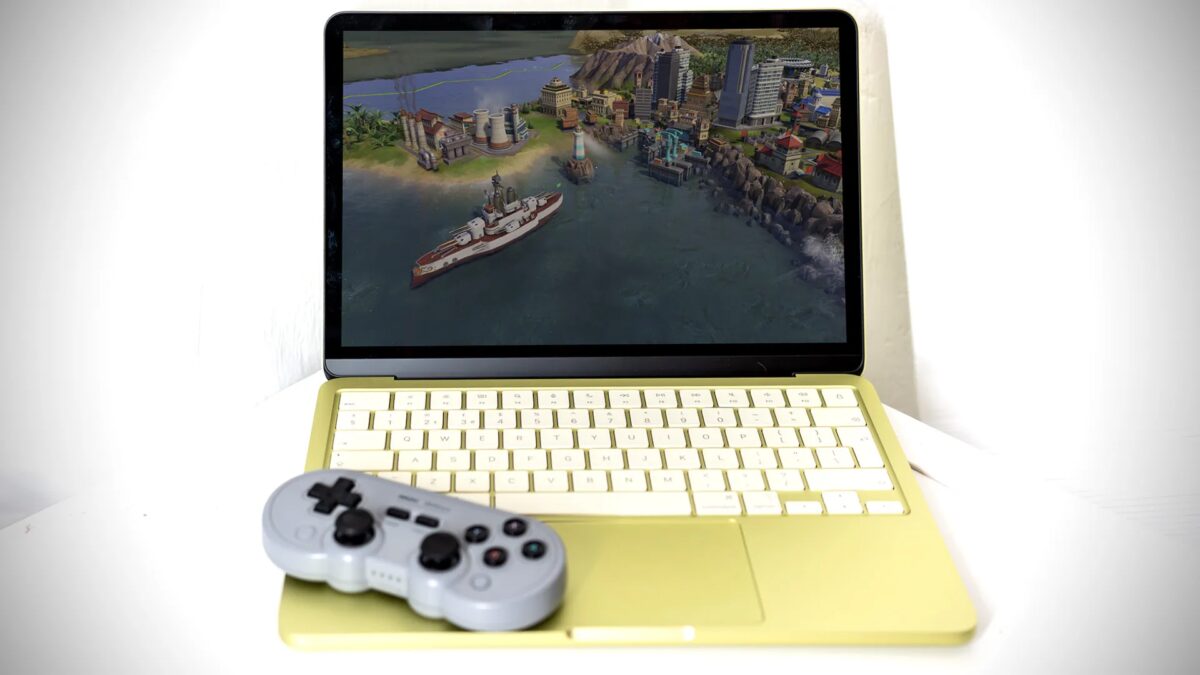
Apple may have stumbled into a surprisingly clean hardware hit with the MacBook Neo, and that’s the awkward bit for PC gaming: the best-selling idea in sight is not a monster spec sheet but a cheap, focused device that does one job well. If the Neo really is chewing through A18 Pro stock, it underlines a market truth Valve understood early with the Steam Deck: people do not always want the most powerful thing on the shelf.
The MacBook Neo and the value of restraint
Tim Culpan says Apple’s plan was to sell around five to six million Neo units, then move the machine onto a newer A19 chip later. The snag is that demand may be outrunning supply fast enough to force Apple to consider ordering more A18 Pro wafers from TSMC, which would be pricier than the original chip batch. That’s a very Apple problem to have: the budget model is so popular it threatens to become inconvenient.
There’s a neat little efficiency trick hidden in that chip choice, too. The A18 Pro in the Neo is reportedly binned down to five GPU cores from six on the die, so Apple can use chips that would otherwise be discarded. It is the kind of ruthlessly tidy cost control PC gaming hardware often talks about and then promptly ignores while pricing itself into the stratosphere.
Why the Steam Deck still feels unusually sensible
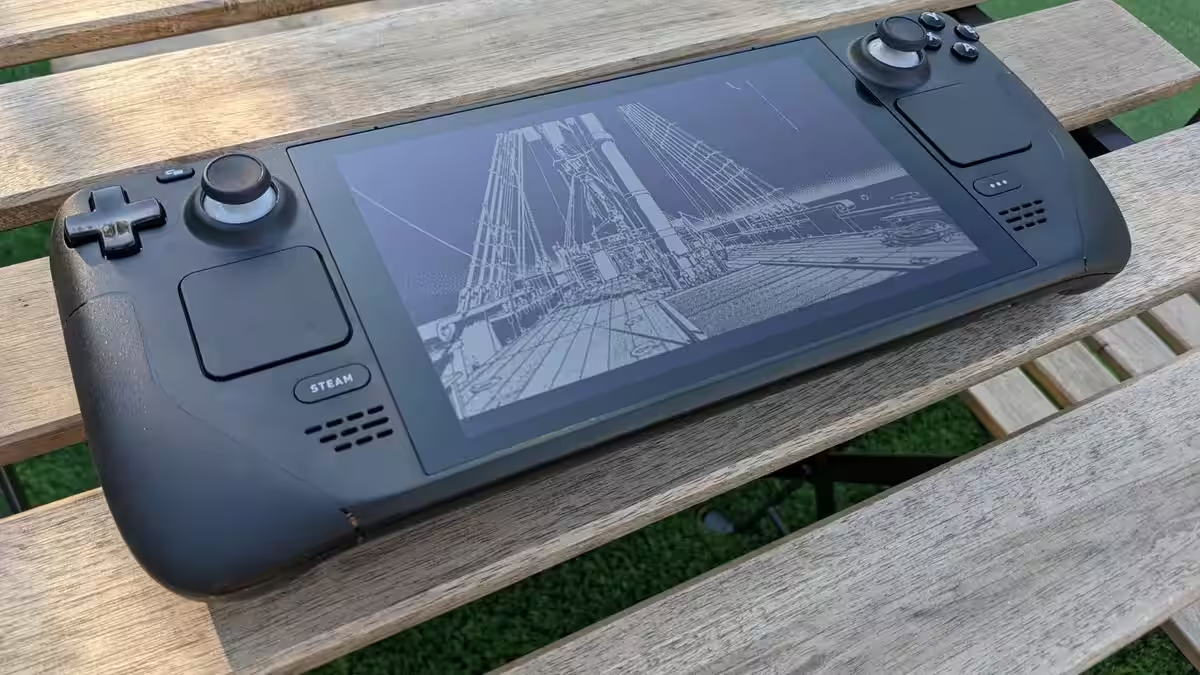
The Steam Deck remains compelling because it behaves like a finished product rather than a flex. It is polished, modest, and priced to be owned rather than admired on a spec sheet, which is a lot rarer in PC gaming than it should be. The broader handheld market has drifted toward premium models that make gaming laptops look like bargains, which is quite an achievement if your mission was supposed to be portability.
- MacBook Neo: reportedly built around A18 Pro chips, with a switch to A19 planned later.
- Apple’s expected sales target: around five to six million units.
- Steam Deck: the rare PC gaming device that feels simple, affordable, and deliberately not overdesigned.
PC gaming keeps overcomplicating the obvious
This is where the contrast with the console business gets uncomfortable. Xbox is under obvious strain, Sony keeps pushing PlayStation further upmarket, and the result is a market that seems to be rewarding either extremes or status symbols. A cheaper, simpler handheld should be the obvious counterpunch, especially with memory costs pushing hardware pricing even higher.
Nvidia could technically build something in this vein, and its own PC chip roadmap gives it the ingredients. But mainstream appeal is a different matter, and recent years have not exactly screamed ”we care about ordinary buyers.” That is why a lesser-known entrant would probably struggle, while Valve has already earned the one thing this category really needs: trust.
Valve and the future of affordable PC gaming devices
So the most plausible future remains annoyingly predictable. If you want a straightforward, affordable PC gaming device that does not behave like a luxury watch with joysticks, the odds still point toward the Steam Deck, a potential Deck 2, or maybe a cheaper Steam Machine if Valve decides to play nice with pricing. Everyone else appears to be busy explaining why their expensive version is actually a bargain.
The open question is whether Apple’s Neo success nudges anyone in PC gaming to stop chasing brute force and start chasing mass appeal. If it does, great. If not, Valve will probably keep carrying the ”simple and affordable” flag while the rest of the industry argues with itself over frame rates nobody can comfortably afford.