

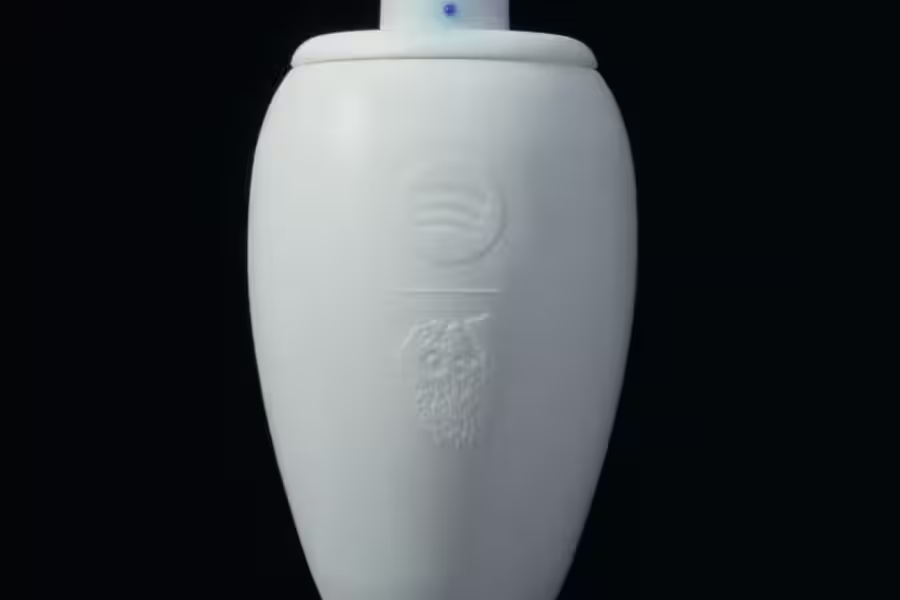
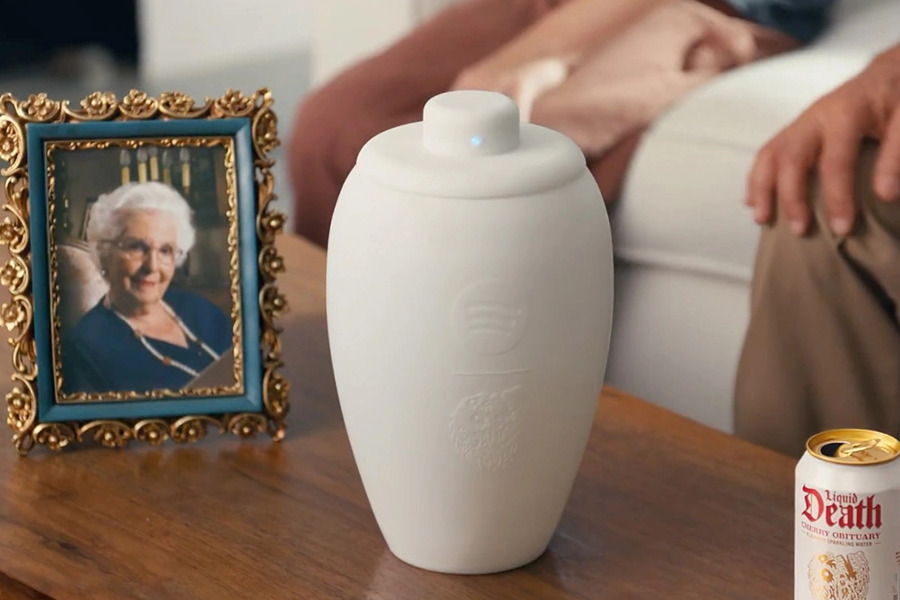
Tech companies keep testing the edges of taste to grab headlines. Spotify’s latest collaboration with Liquid Death – the Eternal Playlist Urn, a 7-inch-by-11.4-inch Bluetooth speaker shaped like a cremation urn – is the latest example. It doesn’t hold ashes; it streams music, and Spotify is selling just 150 units in the United States for $495 apiece.
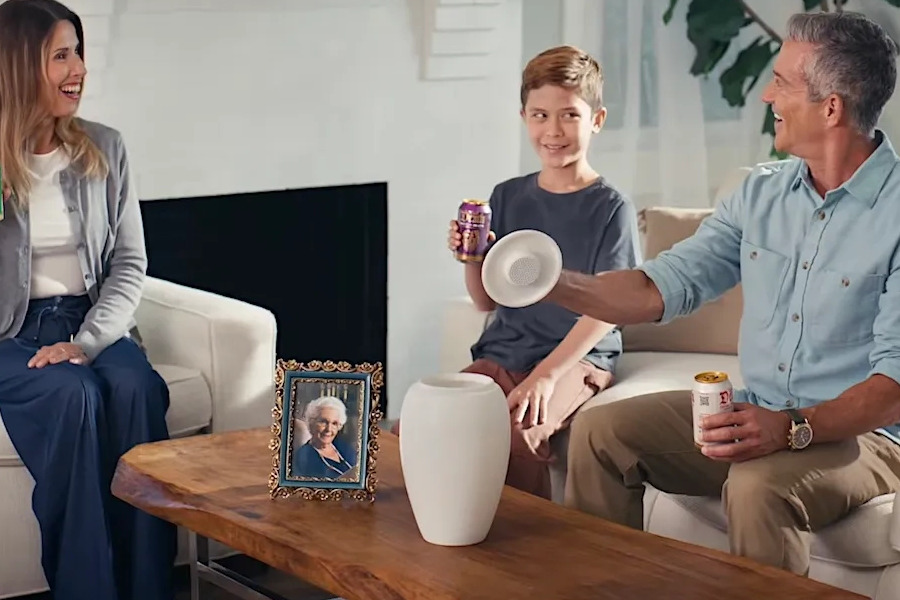
The product is straightforward on the hardware side: an urn-shaped collectible with a Bluetooth speaker built into the lid and a companion feature Spotify calls the ”Eternal Playlist.” Buyers answer prompts about personality and listening taste, and Spotify generates a custom playlist that can be synced to the device and shared with others. Spotify’s announcement even leaned into the theatrics: ”Life needs the music. So does the afterlife.”
Why this matters more as marketing than innovation
On one level this is a limited-edition gag that suits Liquid Death’s brand. The canned-water company has made a business out of dark humor and collectible drop culture – it once released a coffin-shaped cooler that reportedly drew more than 800 bidders and sold for $68,200. For Liquid Death, an urn speaker is a predictable next act: shocking, shareable, and built to create scarcity-fueled buzz.
Spotify’s incentive is slightly different. Hardware has never been its core business; the company has experimented before with partner-made devices (an IKEA speaker-light in 2022) and a dashboard accessory called Car Thing in 2021, which was discontinued. Limited drops like this do two useful things for Spotify: they generate free publicity and reinforce the idea that a Spotify profile is part of your identity – one you can curate, package, and, apparently, memorialize.
Where the stunt meets real-world awkwardness
There are a few practical and cultural angles the press release glosses over. First, the device is essentially a Bluetooth speaker with a themed case. It needs a paired phone or other source to play music, and the long-term promise of an ”eternal” playlist hinges on account continuity and licensing. Playlists tied to a user’s profile can be altered or disappear if tracks are removed from the service or if the account is closed – so ”eternal” is more poetic than contractual.
Second, not everyone sees a product like this as tongue-in-cheek. Turning funerary objects into merch is a fraught move in many cultures. The limited run reduces the risk of mainstream backlash, but it also cements the product as a collectors’ oddity rather than a thoughtful tool for grieving or memorialization.
Broader context: memorial tech and subscription identities
Spotify’s urn sits at the intersection of two trends. One is the rise of ”memorial tech” – tools and services that help people preserve or present the identities of the deceased. Funeral homes, memorial websites, and social platforms already offer playlists, tribute pages, and recorded messages. The other trend is platforms treating user accounts as durable expressions of identity and community that can be packaged or gifted.
Where most tech companies play it safe – home speakers for daily listening, cloud services for backups – Spotify opted for provocation. That’s not accidental. Big brands increasingly use limited, weird objects to spark social media attention without making a broad business commitment to hardware design or support.
Who wins, who loses, and what comes next
Liquid Death wins the headlines and the collector-market cachet. Spotify wins a story that keeps the brand in cultural conversation and reinforces the emotional value of playlists. Collectors and the curious will likely snap up the 150 units and trade them later. People who find the idea distasteful – and communities that prefer more solemn or private ways to remember loved ones – are the clear losers on the reputational axis.
Expect this to sell out quickly and for knockoffs or homage pieces to appear. More interestingly, this drop nudges at a broader question: will streaming services lean further into products that let people externalize identity and grief? If so, the market will need more than novelty objects – it will need durable, privacy-respecting tools for legacy content, better account-transfer policies, and clearer licensing for long-term playback.
For now, the Eternal Playlist Urn is primarily a publicity stunt that doubles as a conversation starter about how the commercial internet treats memory. It’s clever, weird, and inevitable – and that combination is exactly why it will get attention long after the units are gone.