

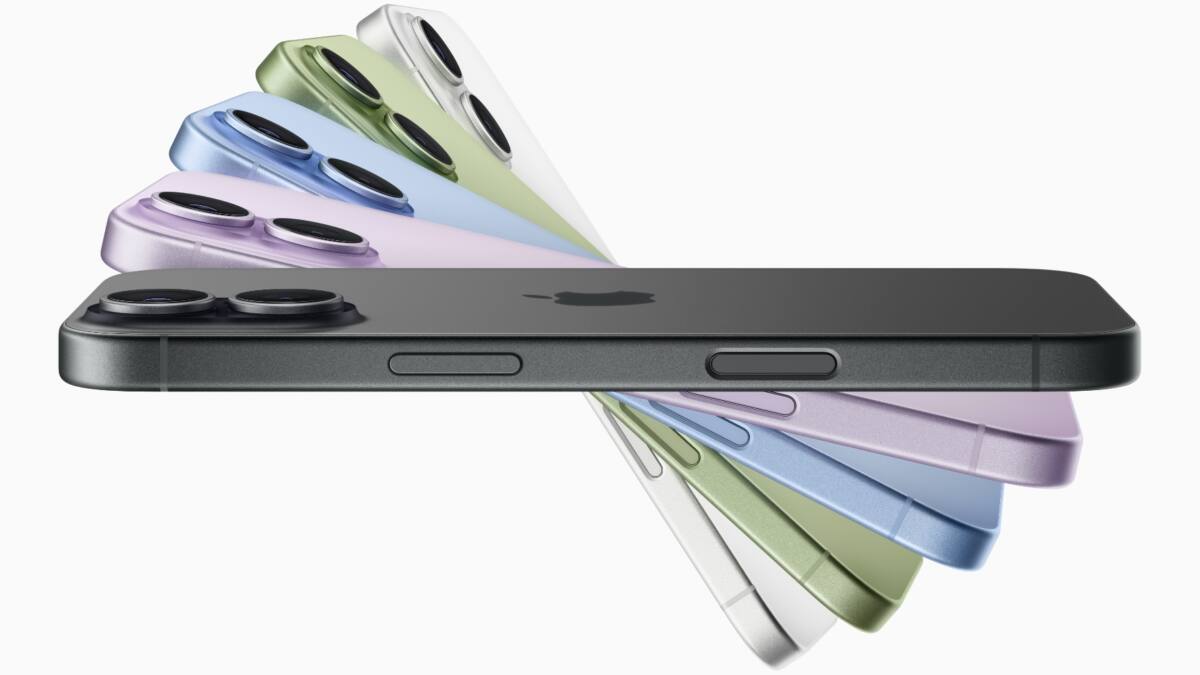
Contrary to earlier expectations that rising NAND Flash prices and supply limitations would force smartphone makers to reduce storage, new research suggests average storage capacities will actually increase in 2026. The push is primarily fueled by AI applications requiring larger system memory for on-device processing, a trend led by major brands like Apple and Huawei. In fact, with the iPhone 17 series launching in 2025 with a 256 GB base model, the shift away from 128 GB entry models signals a broader move toward higher storage across the board.
TrendForce’s latest report reveals that average smartphone storage will grow by 4.8% in 2026. This contradicts earlier predictions that manufacturers would dial down specs to protect profit margins as NAND Flash prices climb. The reason? On-device AI processing demands large cache spaces, typically between 40 and 60 GB, to handle tasks locally rather than relying on cloud computing. Apple’s Apple Intelligence 2.0 and Huawei’s HarmonyOS AI platforms exemplify this shift to edge AI, which adds pressure for more generous storage allocations in smartphones.
Notably, Apple’s removal of 128 GB base models with the iPhone 17 and its subsequent iPhone 17e refresh underlines the company’s push for higher minimum storage to support AI workloads and user data storage. The phenomenon isn’t isolated to Apple; other premium smartphone brands are also adapting by increasing storage sizes despite rising costs, leveraging their pricing power to deliver enhanced AI experiences.
Underlying this trend is a passive benefit stemming from NAND Flash manufacturing advancements. While NAND supply tightness suggests shortages, progress in NAND technology processes is leading to a natural uptick in the storage capacities available to smartphone vendors. This technical factor, combined with AI-driven requirements, means low-storage models are disappearing in favor of higher-capacity variants throughout the market.
TrendForce expects this trend to play out unevenly across smartphone platforms. iPhones, starting from a notably higher baseline of 256 GB, are poised to see a significantly sharper rise in average storage compared to Android devices, which continue to offer entry-level models at lower capacities. Premium device makers are in the best position to absorb increasing memory costs for better AI support and bolster device valuations.
This dynamic marks a departure from previous years when storage upgrades were more incremental and largely driven by user content demands. Now, AI is reshaping hardware specifications directly, making storage a critical component to deliver sophisticated edge intelligence in smartphones, even under challenging economic and supply conditions.